
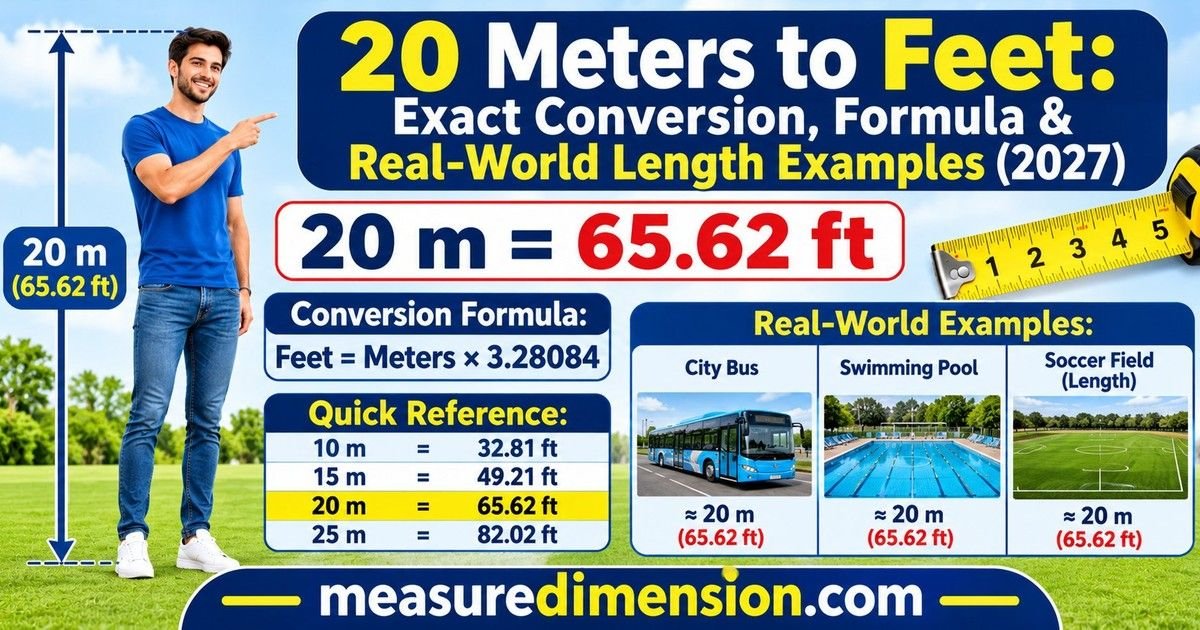
How many feet are in 20 meters? The short answer for 20 meters to feet is 65.62 feet — about 65 feet 7 inches.
You meet this conversion everywhere: a building plan gives a length in meters, a sports field is measured in meters, or a product listing says 20 m and you think in feet. This guide gives you the exact answer to 20 meters to feet, the one formula that converts any meters value to feet, a quick chart for the distances people search for most, and the reverse direction — feet back to meters — so you never have to look it up twice.
For a cut, a fitting or a technical specification: use 65.6168 feet or 787.40 inches instead of the rounded 65.62 feet.
Meters to Feet Conversion Chart
| Meters | Feet | Feet and inches |
|---|---|---|
| 1 m | 3.28 ft | 3 ft 3 in |
| 5 m | 16.40 ft | 16 ft 5 in |
| 10 m | 32.81 ft | 32 ft 10 in |
| 15 m | 49.21 ft | 49 ft 3 in |
| 20 m | 65.62 ft | 65 ft 7 in |
| 25 m | 82.02 ft | 82 ft 0 in |
| 50 m | 164.04 ft | 164 ft 1 in |
| 55 m | 180.45 ft | 180 ft 5 in |
| 100 m | 328.08 ft | 328 ft 1 in |
Quick tip: Multiply meters by 3.28084 to get feet — 20 meters is 65.62 feet.
10 Meters to Feet

10 meters is 32.81 feet (10 × 3.28084 = 32.8084). In feet and inches, that is 32 feet 9.70 inches, rounded to 32 feet 10 inches.
Ten meters is a very common room and garden size — a large living room is often about 10 meters long — so 32.81 feet is the number you need when a floor plan or a listing switches between the two units. Once you know 10 meters is 32.81 feet, doubling it gives the 20 meters to feet answer of 65.62 feet. A 10-meter length is also about the height of a three-story building.
25 Meters to Feet

25 meters is 82.02 feet (25 × 3.28084 = 82.021). In feet and inches, that is 82 feet 0.25 inches, rounded to 82 feet.
Twenty-five meters is the length of a short-course swimming pool, so picture a pool and you have 25 meters — just above the 20 meters to feet mark of 65.62 feet. It is also about a quarter of a 100-meter running track straight — a useful landmark when you are judging distances on a sports field.
50 Meters to Feet
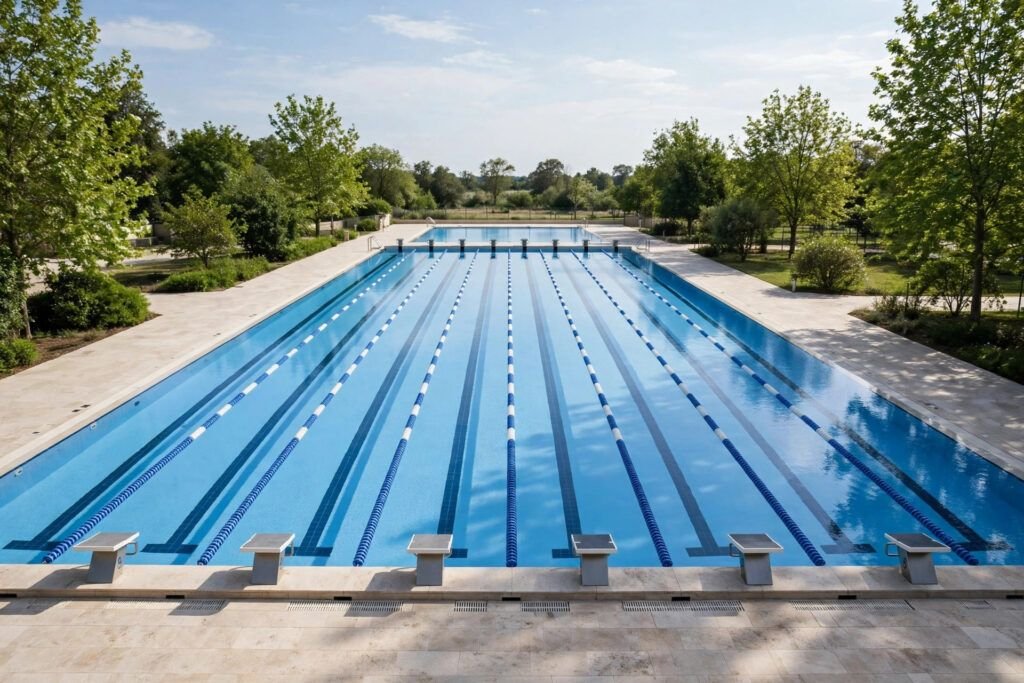
50 meters is 164.04 feet (50 × 3.28084 = 164.042). In feet and inches, that is 164 feet 0.50 inches, rounded to 164 feet 1 inch.
Fifty meters is the length of an Olympic swimming pool, so picture the pool and you have 50 meters. An American football field is 91.44 meters long, so 50 meters is a little more than half the field. A 50-meter building is roughly 16 stories tall, at about 3 meters per story.
55 Meters to Feet

55 meters is 180.45 feet (55 × 3.28084 = 180.4462). That is about 180 feet 5 inches.
An Olympic swimming pool is 50 meters long, so 55 meters is one pool plus another 5 meters — picture the pool, then add a little more. An American football field is 91.44 meters long, so 55 meters is about 60% of the field. A 55-meter building is roughly 18 stories tall, at about 3 meters per story.
100 Meters to Feet

100 meters is 328.08 feet (100 × 3.28084 = 328.084). In feet and inches, that is 328 feet 1.01 inches, rounded to 328 feet 1 inch.
One hundred meters is the full sprint straight on a running track — 328.08 feet of flat-out running. It is also about the length of a football field including the end zones, and about the height of a 30-story building. Whenever a long length is given in meters, the 20 meters to feet method still works the same way: multiply by 3.28084 to get the feet figure.
Converting Feet to Meters
The reverse direction uses the same exact factor, the other way around. Since 1 foot is exactly 0.3048 meters:
Meters = feet × 0.3048
Worked examples:
- 1 foot = 1 × 0.3048 = 0.3048 meters
- 5 feet = 5 × 0.3048 = 1.524 meters
- 6 feet = 6 × 0.3048 = 1.829 meters
- 10 feet = 10 × 0.3048 = 3.048 meters
- 65.62 feet = 65.62 × 0.3048 = 20.00 meters
- 100 feet = 100 × 0.3048 = 30.48 meters
A quick check ties the two directions together: the 20 meters to feet answer is 65.62 feet, and converting back, 65.62 × 0.3048 = 20.00 meters. If your round trip does not land back on the number you started with, you multiplied when you should have divided, or the other way around.
The most common mix-up is using 3.28 in the wrong direction. Remember: meters to feet makes the number bigger (multiply by 3.28084), because a foot is shorter than a meter and you need more of them. Feet to meters makes the number smaller (multiply by 0.3048), because a meter is longer and you need fewer of them.
What Does 20 Meters Look Like in Real Life?
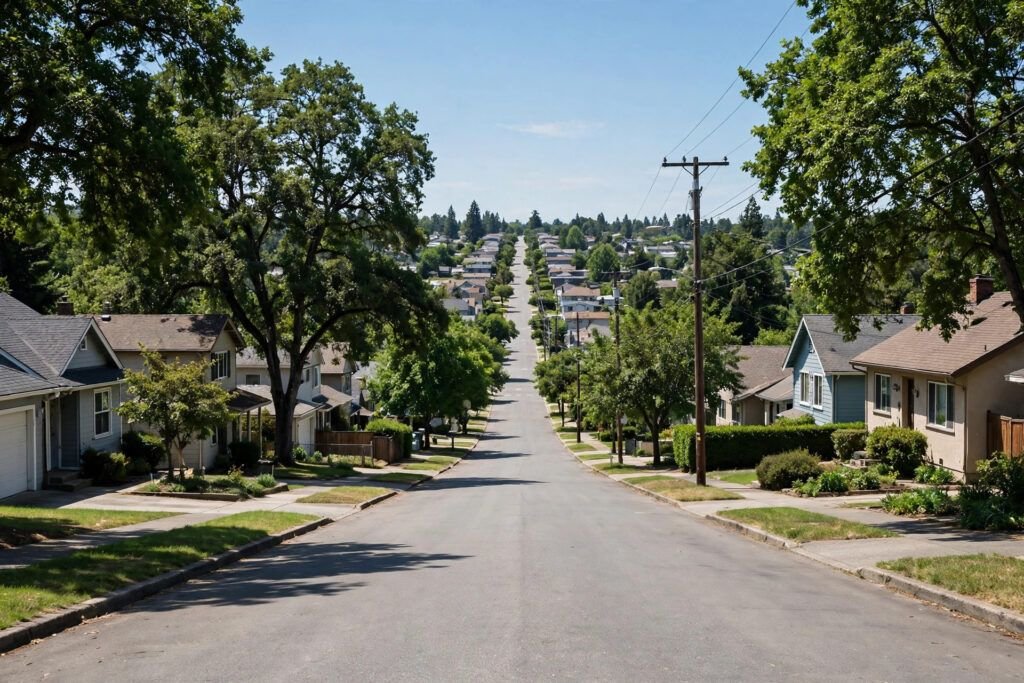
Numbers are easier to picture when you compare them with familiar things. Here is what the 20 meters to feet length means in everyday terms.
Against a bowling lane
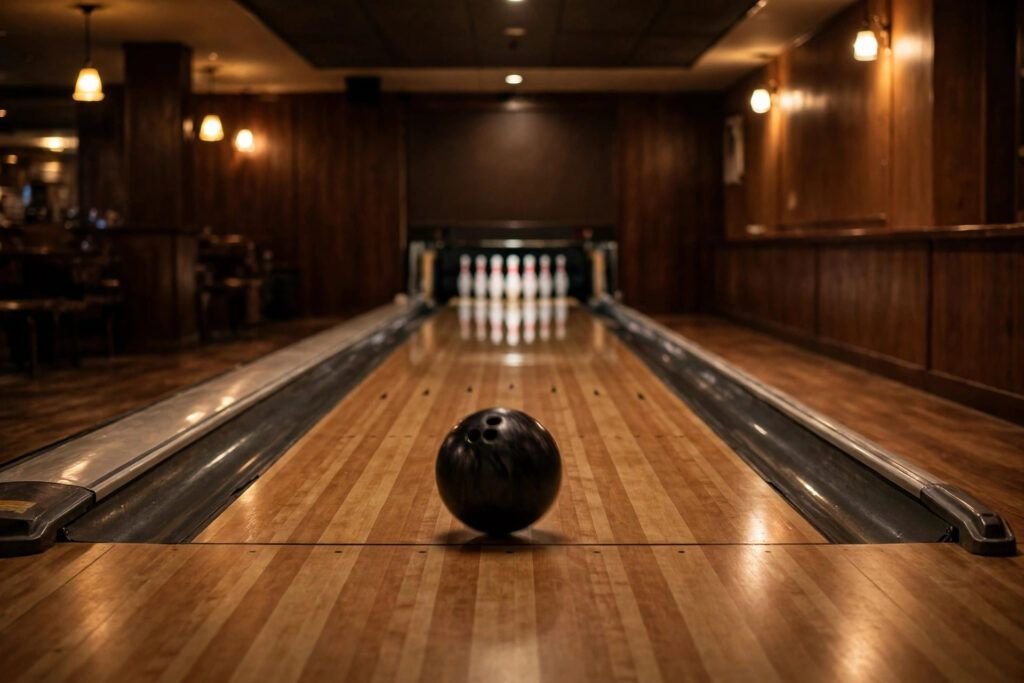
A bowling lane is 18.29 meters from the foul line to the head pin, so 20 meters is a little longer than a full bowling lane. If you have ever bowled, picture the lane stretching away from you — then add about 2 meters more, and you have 20 meters.
Against buses and cars
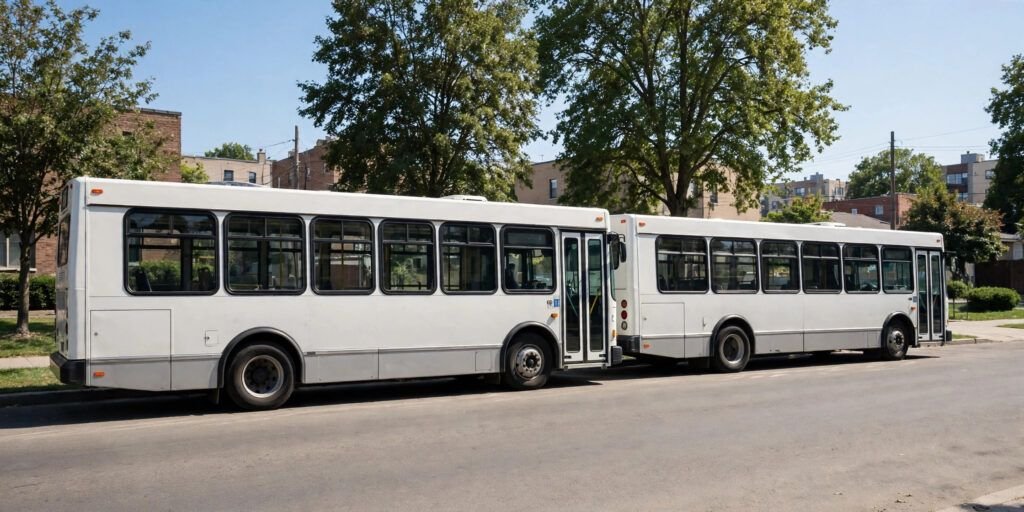
A city bus is about 10 to 12 meters long, so 20 meters is close to two city buses parked end to end. A small car is roughly 4 meters long, so 20 meters is about five small cars in a line. Standing at one end of a 20-meter stretch, the other end feels a long way off — about two-thirds of the way down a city block.
Against a swimming pool and a track
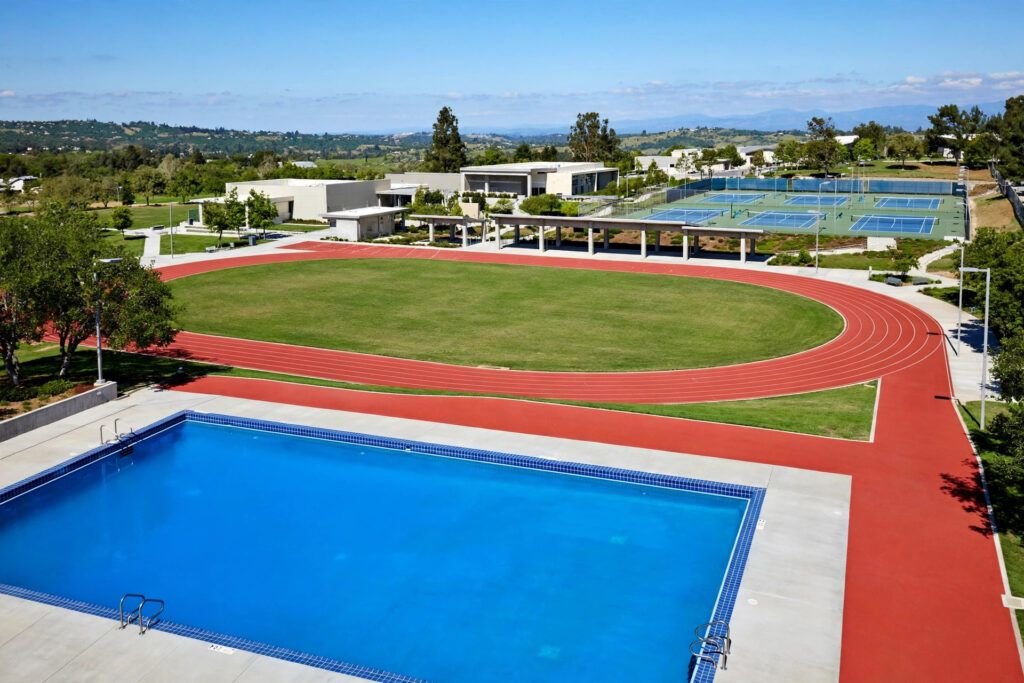
A short-course swimming pool is 25 meters long, so 20 meters is four-fifths of that pool. An Olympic pool is 50 meters, so 20 meters is less than half of it. On a running track, 20 meters is a fifth of the 100-meter sprint straight — a short burst, but a real distance when you are running it.
Against a building
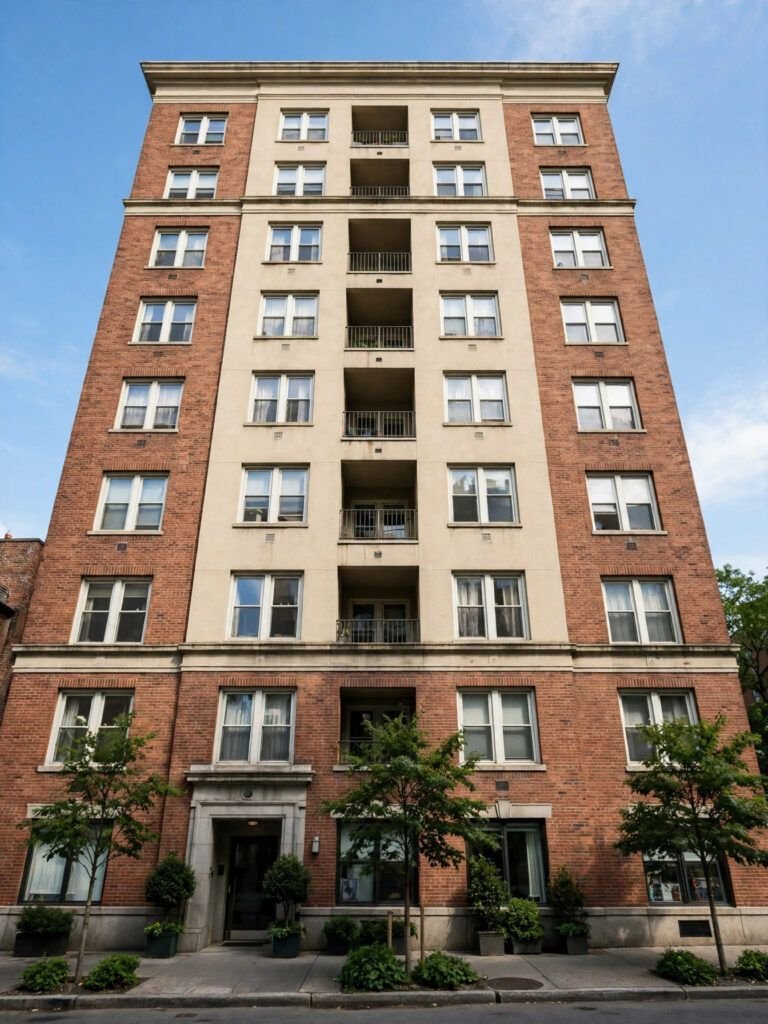
A 20-meter building is roughly 6 to 7 stories tall, at about 3 meters per story. So if you stand at the foot of a six-story building and look up, the height you are looking at is about 20 meters — 65.62 feet.
Common Mistakes When Converting 20 Meters to Feet
The conversion is simple, but a few mistakes show up again and again.
Using 3.28 instead of 3.28084 for exact work. For a quick estimate, 3.28 is fine. But over longer distances the small difference adds up: 100 meters × 3.28 = 328 feet, while the exact figure is 328.08 feet. Use the full 3.28084 when the measurement matters.
Multiplying when you should divide. Meters to feet means multiplying by 3.28084, and the answer must be bigger than the number you started with. If your feet answer is smaller than your meters number, you divided by mistake.
Mixing up feet and inches in the answer. 65.62 feet is not 65 feet 62 inches — it is 65 feet plus 0.62 of a foot. Multiply the decimal part by 12 to get inches: 0.62 × 12 = 7.44, so 65.62 feet is 65 feet 7 inches. The same applies to every decimal in the chart.
Confusing meters with yards. A yard is 0.9144 meters, so 20 meters is 21.87 yards — not 65.62 of anything. Yards and feet are different units, and only feet use the 3.28084 factor.
Forgetting the unit in the answer. A bare “65.62” means nothing — 65.62 feet and 65.62 meters are wildly different lengths. Always write the unit with the number.
FAQs
What is 20 meters to feet?
20 meters is 65.62 feet (exactly 65.6168 feet). In feet and inches, that is 65 feet 7 inches.
How many inches is 20 meters?
20 meters is 787.40 inches (20 × 39.3701). That is 65 feet 7 inches.
How do you convert meters to feet?
Multiply the number of meters by 3.28084. For example, the 20 meters to feet calculation is 20 × 3.28084 = 65.62 feet, and 10 × 3.28084 = 32.81 feet. The factor comes from 1 foot being exactly 0.3048 meters.
How do you convert feet to meters?
Multiply the number of feet by 0.3048. For example, 10 feet × 0.3048 = 3.048 meters, and 65.62 feet × 0.3048 = 20 meters.
How long is 20 meters compared to a bowling lane?
A bowling lane is 18.29 meters long, so 20 meters is a little longer than a full bowling lane — about 1.7 meters more.
Is 20 meters the same as 65 feet?
Almost, but not exactly. 20 meters is 65.62 feet, so it is about 7 inches longer than 65 feet. For everyday use, “about 65 feet” is close enough; for exact work, use 65.62 feet.
Conclusion
So, what is 20 meters to feet? The answer is 65.62 feet — exactly 65.6168 feet, or 65 feet 7 inches.
The one formula to remember is feet = meters × 3.28084. With it, every value in this guide follows: 5 meters is 16.40 feet, 10 meters is 32.81 feet, 15 meters is 49.21 feet, 25 meters is 82.02 feet, 50 meters is 164.04 feet, 55 meters is 180.45 feet, and 100 meters is 328.08 feet. Going the other way, meters = feet × 0.3048 — 10 feet is 3.048 meters and 100 feet is 30.48 meters.
The best way to keep the answer in your head is to picture it. Twenty meters is a bowling lane and a bit, close to two city buses end to end, and a fifth of a 100-meter sprint straight. Once you have that picture, the number follows on its own: 20 meters, 65.62 feet.
Related Guides

Hi, I’m Michael Carter, I write simple, everyday size guides so you can picture any measurement in seconds.