
Introduction
How many meters are in 100 centimeters? The short answer to cm to meters is simple: 100 cm is 1 meter — and every other value follows from the same easy rule.
You meet this conversion everywhere: a height is listed as 170 cm and you think in meters, a product listing gives a length in centimeters, or a school worksheet asks for centimeters in meters. This guide gives you the exact answer, the simple formula that converts any centimeters value to meters, a quick chart for the values people search for most, and practical real-life comparisons — plus the reverse direction, meters back to centimeters — so you never have to look it up twice. If you searched for cm to meters, you will find the exact answer below, with the formula and a chart.
The Exact Answer
100 centimeters = 1.00 meter.
That is the figure to use in everyday conversation. So the cm to meters conversion is 100 cm = 1 meter exactly. If you need a smaller value, just divide by 100: 10 cm is 0.10 meters, 25 cm is 0.25 meters, and 50 cm is 0.50 meters. If you need a bigger value, the same rule still works: 150 cm is 1.50 meters, 180 cm is 1.80 meters, and 1,000 cm is 10.00 meters.
The Formula: Centimeters to Meters
Centimeters and meters are linked by one exact conversion factor:
1 meter = 100 centimeters (exactly)
So to turn centimeters into meters, divide by 100:
Meters = centimeters ÷ 100
Worked example for 100 cm to meters:
100 ÷ 100 = 1.00 meter. That is the whole cm to meters calculation — one division.
The same formula works for every value in this guide. The factor comes from the official definition of the meter and its sub-units, published by the National Institute of Standards and Technology (NIST). A quick mental shortcut: move the decimal point two places to the left — 170 cm becomes 1.70 m, and 25 cm becomes 0.25 m.
Centimeters to Meters Conversion Chart
Centimeters to Meters Chart
| Centimeters | Meters |
|---|---|
| 1 cm | 0.01 m |
| 10 cm | 0.10 m |
| 25 cm | 0.25 m |
| 30 cm | 0.30 m |
| 50 cm | 0.50 m |
| 100 cm | 1.00 m |
| 150 cm | 1.50 m |
| 170 cm | 1.70 m |
| 175 cm | 1.75 m |
| 180 cm | 1.80 m |
| 200 cm | 2.00 m |
| 250 cm | 2.50 m |
| 500 cm | 5.00 m |
| 1000 cm | 10.00 m |
Quick tip: Divide centimeters by 100 to get meters — 100 cm is 1 meter.
10 Centimeters to Meters
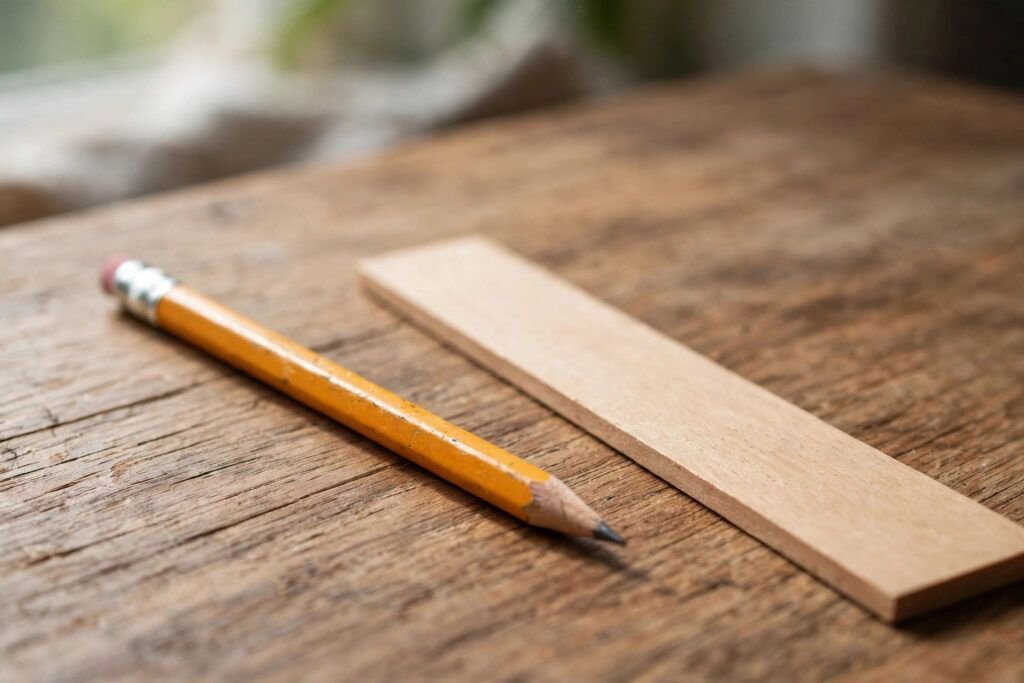
10 centimeters is 0.10 meters (10 ÷ 100 = 0.10).
Ten centimeters is a small, everyday length — about the length of a pencil, or the width of a hand. It is one-tenth of a meter, so ten of them laid end to end would make exactly 1 meter.
25 Centimeters to Meters
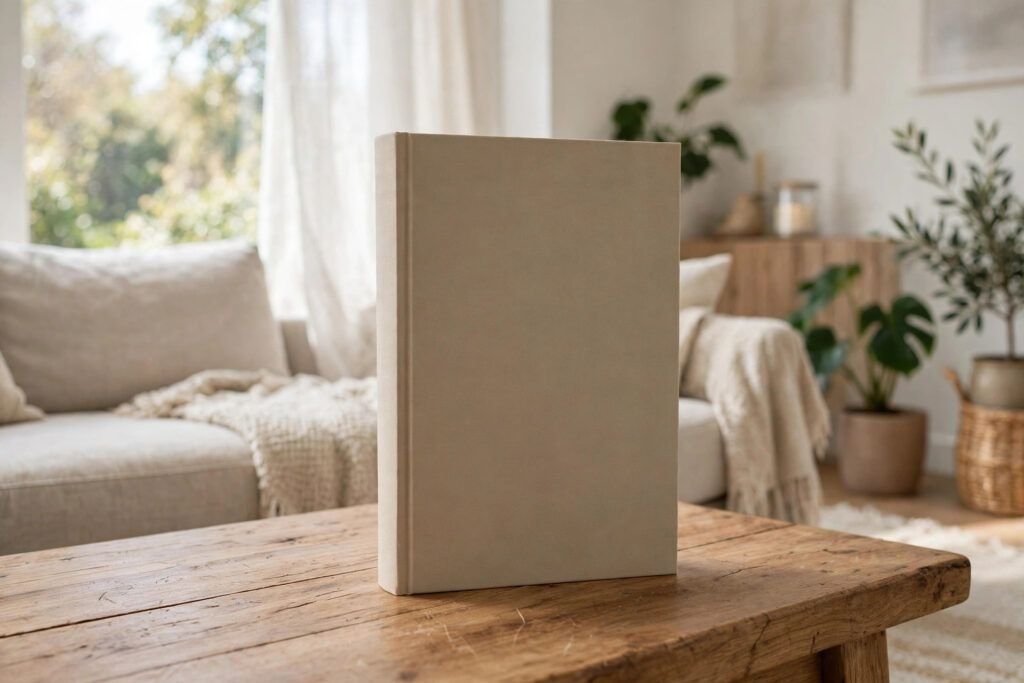
25 centimeters is 0.25 meters (25 ÷ 100 = 0.25).
Twenty-five centimeters is exactly one-quarter of a meter. Picture a hardcover book standing upright: many books are close to 25 cm tall. It is also about the length of a standard sheet of paper turned on its side — a useful landmark when you have no ruler handy.
50 Centimeters to Meters
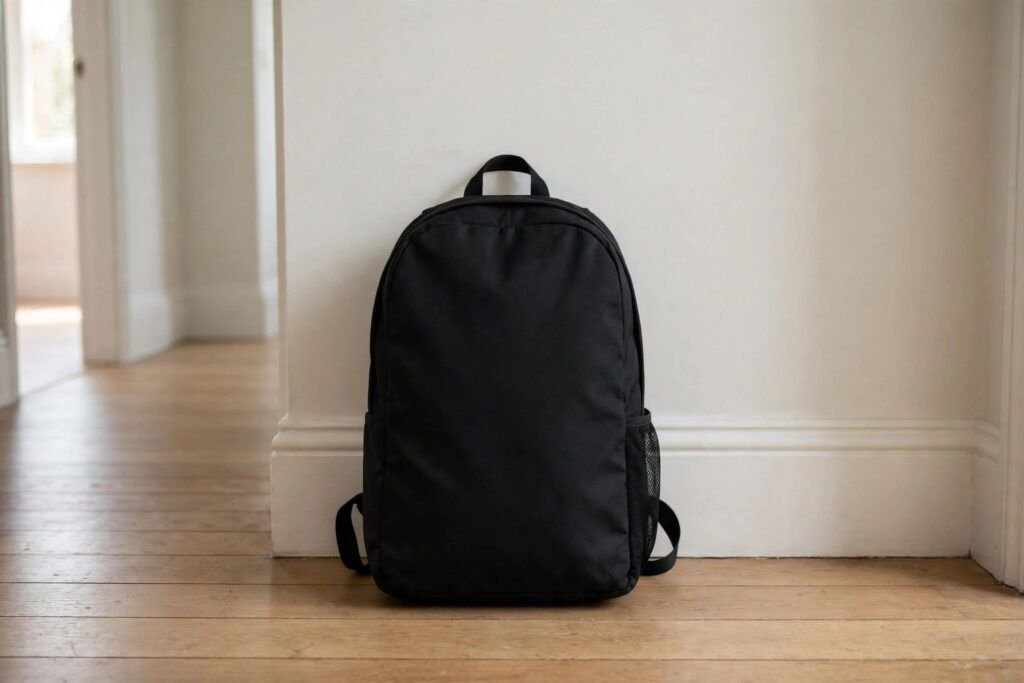
50 centimeters is 0.50 meters (50 ÷ 100 = 0.50).
Fifty centimeters is exactly half a meter. A school backpack standing on the floor is often around 50 cm tall, and so is a large cushion or a small pet. Half a meter is easy to picture because it is the halfway mark between zero and a full meter.
100 Centimeters to Meters

100 centimeters is 1.00 meter (100 ÷ 100 = 1.00).
This is the anchor value for the whole cm to meters conversion: 100 cm and 1 meter are exactly the same length. An acoustic guitar is about 100 cm long, and so is a meter stick. Once you remember that 100 cm is 1 meter, every other value in the chart follows by dividing by 100.
150 Centimeters to Meters

150 centimeters is 1.50 meters (150 ÷ 100 = 1.50).
One hundred and fifty centimeters is one and a half meters. A tall potted floor plant often reaches about 150 cm, and a child around 150 cm tall stands one and a half meters high. It is 50 cm — half a meter — taller than the 100 cm mark.
170 Centimeters to Meters

170 centimeters is 1.70 meters (170 ÷ 100 = 1.70), which is 5 feet 7 inches.
This is a very common height listing — 170 cm appears on profiles, forms, and ID documents, and 5 feet 7 inches is how the same height is written in the United States. The two numbers describe exactly the same person; only the unit changes.
180 Centimeters to Meters

180 centimeters is 1.80 meters (180 ÷ 100 = 1.80).
One hundred and eighty centimeters is just under two meters. A surfboard leaning against a wall is often around 180 cm long, and a tall adult standing 180 cm is 1.80 meters tall. It is only 20 cm short of 2 meters, so picture a full meter stick and then almost another one on top of it.
Converting Meters to Centimeters

The reverse direction uses the same exact factor, the other way around. Since 1 meter is exactly 100 centimeters:
Centimeters = meters × 100
Worked examples:
- 1 meter = 1 × 100 = 100 centimeters
- 1.5 meters = 1.5 × 100 = 150 centimeters
- 1.75 meters = 1.75 × 100 = 175 centimeters
- 2 meters = 2 × 100 = 200 centimeters
- 5 meters = 5 × 100 = 500 centimeters
- 10 meters = 10 × 100 = 1,000 centimeters
A quick check ties the two directions together: 1.5 meters is 150 centimeters, and converting back, 150 ÷ 100 = 1.50 meters. If your round trip does not land back on the number you started with, you multiplied when you should have divided, or the other way around.
The most common mix-up is using the wrong direction. Remember: centimeters to meters makes the number smaller (divide by 100), because a meter is longer than a centimeter and you need fewer of them. Meters to centimeters makes the number bigger (multiply by 100), because a centimeter is shorter and you need more of them.
What Does 100 Centimeters Look Like in Real Life?

Numbers are easier to picture when you compare them with familiar things. Here is what the cm to meters result — 100 cm is 1 meter — looks like in everyday terms.
Against a school ruler
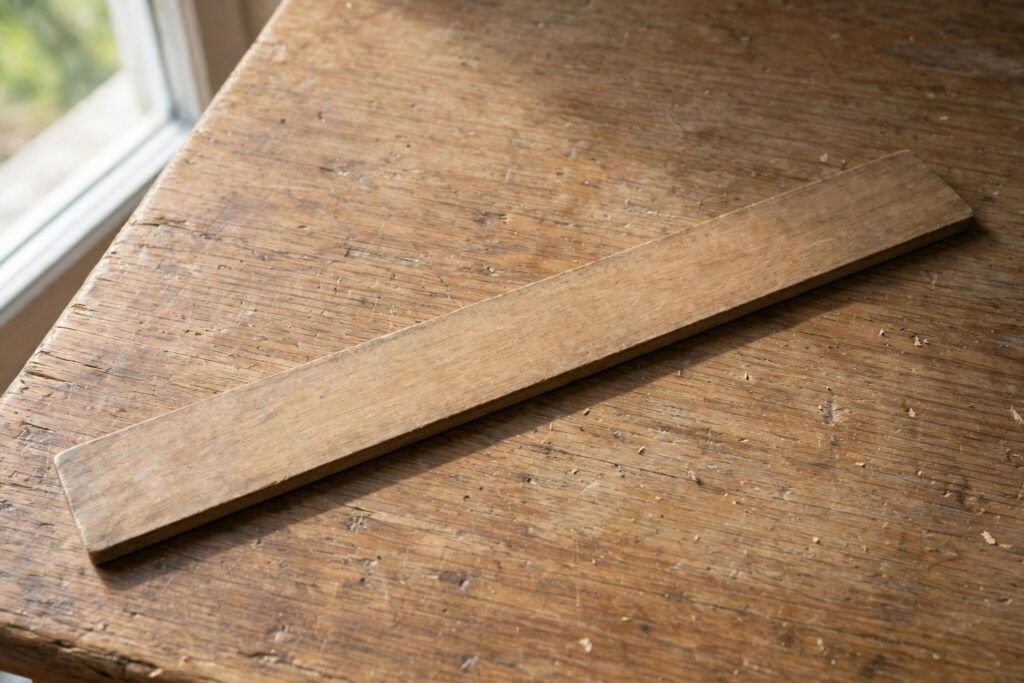
A standard school ruler is 30 cm long, which is 0.30 meters. Three rulers laid end to end make 90 cm, and a little more than three rulers — three and a third — make exactly 100 cm, or 1 meter. So if you can picture a school ruler, you can picture 100 cm: it is just over three ruler lengths.
Against an A4 sheet of paper

An A4 sheet of paper is 29.7 cm long, which is about 0.30 meters. Three A4 sheets laid end to end are about 89 cm, and three and a third sheets make 100 cm. A single A4 sheet is just under a third of a meter, so a meter is a little more than three sheets long.
Against a smartphone
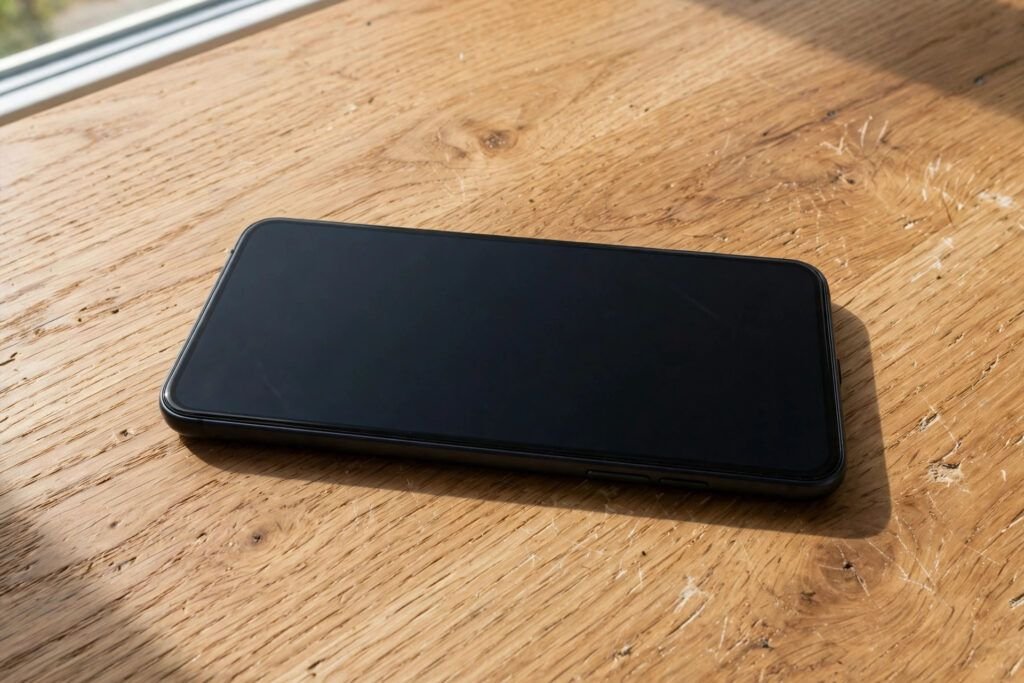
A smartphone is usually around 15 cm long, so 100 cm is about six or seven smartphones laid end to end. A single phone is a small fraction of a meter — about 0.15 meters — which is why a meter feels much longer than the phone in your hand.
Longer lengths in this guide
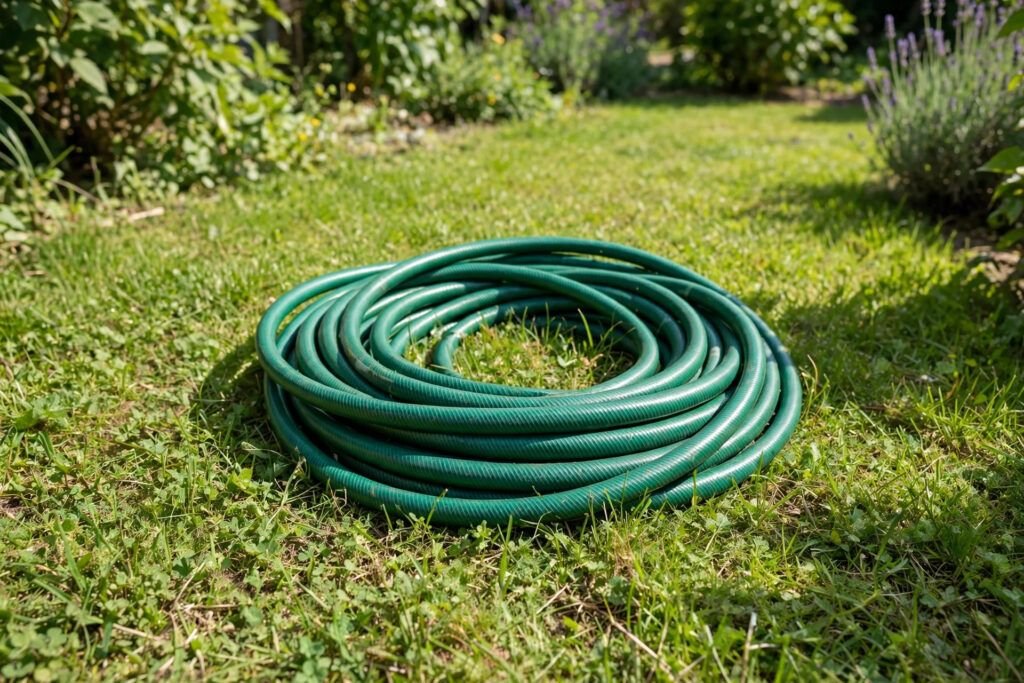
The bigger values in the chart are distances, not heights: 200 cm is 2 meters, 250 cm is 2.50 meters, 500 cm is 5 meters, and 1,000 cm is 10 meters. A coiled garden hose is often 10 meters long when it is stretched out — that is 1,000 cm, ten times the 100 cm anchor value.
Common Mistakes When Converting Centimeters to Meters

The conversion is simple, but a few mistakes show up again and again.
Dividing by 10 instead of 100. There are 100 centimeters in a meter, not 10. Dividing 100 cm by 10 gives 10 — the wrong answer. Always divide by 100: 100 ÷ 100 = 1 meter.
Multiplying when you should divide. Centimeters to meters means dividing by 100, and the answer must be smaller than the number you started with. If your meters answer is bigger than your centimeters number, you multiplied by mistake.
Mixing up centimeters and millimeters. A millimeter is one-tenth of a centimeter, so 100 cm is 1,000 mm — not 100 mm. Centimeters and millimeters are different units, and only centimeters use the divide-by-100 rule to reach meters.
Dropping the decimal places. 10 cm is 0.10 meters, not 0.1 of a meter written as 1 meter, and 25 cm is 0.25 meters, not 25 meters. Keep the decimal point in the right place: move it two places to the left.
Forgetting the unit in the answer. A bare “1.00” means nothing — 1.00 meters and 1.00 centimeters are wildly different lengths. Always write the unit with the number.
FAQs
What is 100 cm to meters?
100 cm to meters is 1 meter (exactly 1.00 meter). Divide centimeters by 100 to get meters: 100 ÷ 100 = 1.
How many meters is 170 cm?
170 cm is 1.70 meters (170 ÷ 100 = 1.70). In feet and inches, that is 5 feet 7 inches.
How do you convert cm to meters?
Divide the number of centimeters by 100. For a cm to meters conversion, 100 ÷ 100 = 1 meter, 50 ÷ 100 = 0.50 meters, and 250 ÷ 100 = 2.50 meters. The factor comes from 1 meter being exactly 100 centimeters.
How do you convert meters to cm?
Multiply the number of meters by 100. For example, 1 meter × 100 = 100 cm, 1.5 meters × 100 = 150 cm, and 2 meters × 100 = 200 cm.
How many cm is 1.5 meters?
1.5 meters is 150 centimeters (1.5 × 100 = 150).
Is 100 cm the same as 1 meter?
Yes, exactly. 100 cm is the same as 1 meter — they are two ways of writing the same length, since 1 meter is defined as 100 centimeters.
Conclusion
So, what is cm to meters? The answer is simple: divide centimeters by 100 to get meters — and 100 cm is exactly 1 meter.
The one formula to remember for cm to meters — and every other value — is meters = centimeters ÷ 100. With it, every value in this guide follows: 10 cm is 0.10 meters, 25 cm is 0.25 meters, 50 cm is 0.50 meters, 100 cm is 1.00 meter, 150 cm is 1.50 meters, 170 cm is 1.70 meters, 180 cm is 1.80 meters, 500 cm is 5.00 meters, and 1,000 cm is 10.00 meters. Going the other way, centimeters = meters × 100 — 1.5 meters is 150 cm and 10 meters is 1,000 cm.
The best way to keep the answer in your head is to picture it. One hundred centimeters is a guitar, a meter stick, or just over three school rulers laid end to end. Once you have that picture, the cm to meters answer follows on its own: 100 cm is 1 meter.
Related Guides

Hi, I’m Michael Carter, I write simple, everyday size guides so you can picture any measurement in seconds.