
Introduction
How many inches are in a meter? The short answer to meters to inches is 39.37 inches — just over 3 feet 3 inches.
You meet this conversion everywhere: a product listing gives a length in meters, a room plan is drawn in meters, or a height is listed as 1 m and you think in inches. This guide gives you the exact answer, the simple formula that converts any meters value to inches, a quick chart for the values people search for most, and practical real-life comparisons — plus the reverse direction, inches back to meters — so you never have to look it up twice. If you searched for meters to inches, you will find the exact answer below, with the formula and a chart.
The Exact Answer
1 meter = 39.3701 inches, rounded to 39.37 inches.
In feet and inches, that is 3 feet 3.37 inches, which people round to 3 feet 3 inches. In yards, 1 meter is 1.09 yards — just over a yard.
That is the figure to use in everyday conversation. So the meters to inches conversion is 39.3701 inches exactly, rounded to 39.37 inches. If you need precision — for a cut, a fitting, or a technical specification — use 39.3701 inches instead of the rounded 39.37 inches.
The Formula: Meters to Inches
Meters and inches are linked by one exact conversion factor:
1 inch = 2.54 centimeters (exactly)
So 1 meter (100 centimeters) is 100 ÷ 2.54 = 39.3701 inches. To turn meters into inches, multiply by 39.3701:
Inches = meters × 39.3701
Worked example for 1 meter to inches:
1 × 39.3701 = 39.3701 inches, which rounds to 39.37 inches. That is the whole meters to inches calculation — one multiplication.
The same formula works for every value in this guide. The factor comes from the official definition of the inch, published by the National Institute of Standards and Technology (NIST). A quick mental shortcut: multiply by 39.37 and you will be within a fraction of an inch for everyday use — but for exact work, use 39.3701.
Meters to Inches Conversion Chart
Meters to Inches Chart
| Meters | Inches | Feet and inches |
|---|---|---|
| 0.5 m | 19.69 in | 1 ft 8 in |
| 1 m | 39.37 in | 3 ft 3 in |
| 1.5 m | 59.06 in | 4 ft 11 in |
| 2 m | 78.74 in | 6 ft 7 in |
| 2.5 m | 98.43 in | 8 ft 2 in |
| 3 m | 118.11 in | 9 ft 10 in |
| 5 m | 196.85 in | 16 ft 5 in |
| 10 m | 393.70 in | 32 ft 10 in |
| 20 m | 787.40 in | 65 ft 7 in |
| 100 m | 3,937.01 in | 328 ft 1 in |
Quick tip: Multiply meters by 39.3701 to get inches — 1 meter is 39.37 inches.
0.5 Meters to Inches

0.5 meters is 19.69 inches (0.5 × 39.3701 = 19.68505). In feet and inches, that is 1 foot 7.69 inches, rounded to 1 foot 8 inches.
Half a meter is a handy everyday length: a standard pillow is about 0.5 meters long, so picture a pillow laid end to end and you have half a meter — just under 20 inches. It is also about the width of a large laptop screen measured diagonally, and a little more than the length of a sheet of A3 paper.
1 Meter to Inches
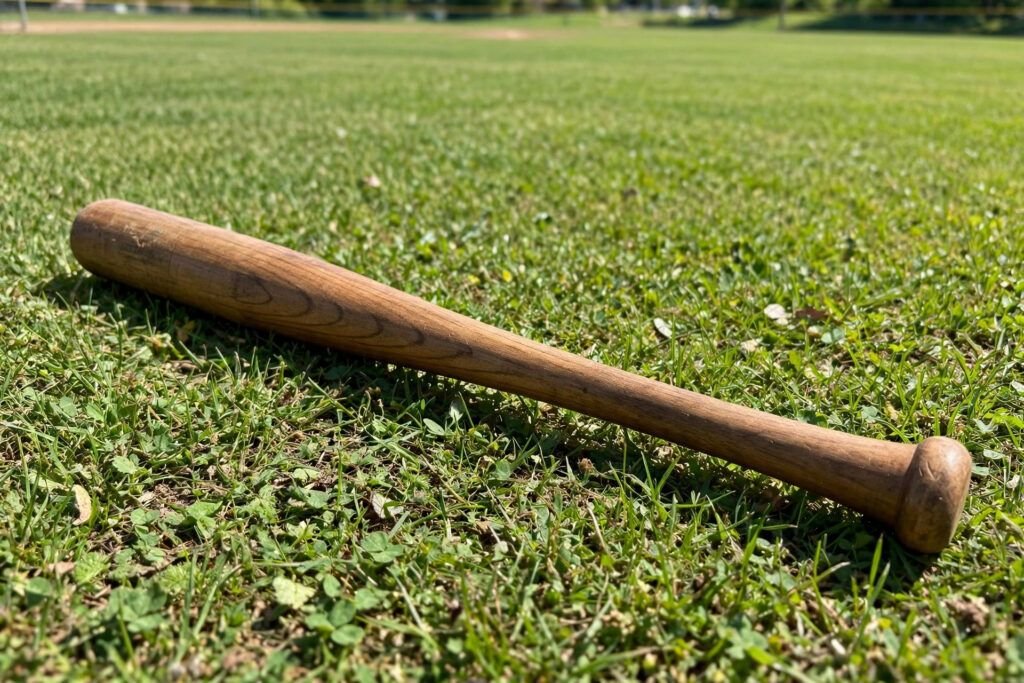
1 meter is 39.37 inches (1 × 39.3701 = 39.3701). In feet and inches, that is 3 feet 3.37 inches, rounded to 3 feet 3 inches.
One meter is the anchor value for this whole guide: it is a yard (36 inches) plus another 3.37 inches — just over a yardstick. Once you can picture a meter, every other value follows: half a meter is half that length, two meters is twice it, and ten meters is ten yardsticks laid end to end.
1.5 Meters to Inches

1.5 meters is 59.06 inches (1.5 × 39.3701 = 59.05515). In feet and inches, that is 4 feet 11.06 inches, rounded to 4 feet 11 inches.
One and a half meters is a very common height listing — it is just an inch short of 5 feet. A snowboard is usually around 1.5 meters long, so picture a snowboard stood on end and you have 1.5 meters: 59.06 inches from tip to tail. It is also twice the height of a dining table, which is usually about 0.75 meters high.
2 Meters to Inches

2 meters is 78.74 inches (2 × 39.3701 = 78.7402). In feet and inches, that is 6 feet 6.74 inches, rounded to 6 feet 7 inches.
Two meters is a useful landmark because it is almost exactly the height of a standard interior door, which is usually about 2.03 meters (79.92 inches) tall — near enough 80 inches. So if you can picture a doorway, you can picture 2 meters: it reaches just about to the top of the frame. A tall adult standing 2 meters tall would brush the top of most door frames.
2.5 Meters to Inches

2.5 meters is 98.43 inches (2.5 × 39.3701 = 98.42525). In feet and inches, that is 8 feet 2.43 inches, rounded to 8 feet 2 inches.
At 2.5 meters you are past doorway height and into room dimensions: a kayak is often around 2.5 meters long, so picture a kayak on the shore and you have 2.5 meters — 98.43 inches from bow to stern. It is also a common ceiling height in older homes, and a little longer than a standard sofa.
5 Meters to Inches

5 meters is 196.85 inches (5 × 39.3701 = 196.8505). In feet and inches, that is 16 feet 4.85 inches, rounded to 16 feet 5 inches.
Five meters is a distance rather than a height, so picture it along the ground or the water: a small sailboat is often about 5 meters long, so 5 meters is the length of a little sailing dinghy — 196.85 inches from bow to stern. It is also about the length of a large family car, and a little more than the width of a small living room.
20 Meters to Inches

20 meters is 787.40 inches (20 × 39.3701 = 787.402). That is about 65 feet 7 inches.
Twenty meters is a distance, so picture it along the ground: a tennis court is 23.77 meters long, so 20 meters is a little shorter than a full tennis court seen from one end — about five-sixths of the court. It is also close to the length of two city buses parked end to end, and about one-fifth of a 100-meter running track.
Converting Inches to Meters

The reverse direction uses the same exact factor, the other way around. Since 1 inch is exactly 2.54 centimeters:
Meters = inches ÷ 39.3701 (or inches × 0.0254)
Worked examples:
- 39.37 inches = 39.37 ÷ 39.3701 = 1.00 meter
- 118.11 inches = 118.11 ÷ 39.3701 = 3.00 meters
- 393.70 inches = 393.70 ÷ 39.3701 = 10.00 meters
A quick check ties the two directions together: 1 meter is 39.37 inches, and converting back, 39.37 ÷ 39.3701 = 1.00 meter. If your round trip does not land back on the number you started with, you multiplied when you should have divided, or the other way around.
The most common mix-up is using 39.3701 in the wrong direction. Remember: meters to inches makes the number bigger (multiply by 39.3701), because an inch is much shorter than a meter and you need many more of them. Inches to meters makes the number smaller (divide by 39.3701), because a meter is longer and you need fewer of them.
What Does 1 Meter Look Like in Real Life?
Numbers are easier to picture when you compare them with familiar things. Here is what the meters to inches result — 39.37 inches — looks like in everyday terms.
Against a yardstick

A yardstick is 36 inches long, and 1 meter is 39.37 inches — so a meter is a yardstick plus another 3.37 inches, about the width of three fingers. Lay a yardstick on a table and add a little more than three inches past its end, and you have exactly one meter.
Against a skateboard

Most skateboard decks run about 0.8 meters (roughly 31 inches) long, so 1 meter is a skateboard plus a few more inches — about a hand’s breadth longer. Stand a skateboard upright and a meter reaches a little past its top end.
Against a curtain rod

A 1-meter curtain rod spans a small window — the kind over a kitchen sink or a narrow bedroom window. If the rod in front of you is about a meter long, it measures 39.37 inches from finial to finial. Wider windows use rods of 1.5 or 2 meters, which are 59.06 and 78.74 inches.
Longer lengths in this guide

The bigger values in the chart are distances, not heights: 5 meters is a small sailboat, 20 meters is most of a tennis court, and 100 meters is the full sprint straight on a running track — 3,937.01 inches, or 328 feet 1 inch, of flat-out running.
Common Mistakes When Converting Meters to Inches

The conversion is simple, but a few mistakes show up again and again.
Using 39.37 instead of 39.3701 for exact work. For a quick estimate, 39.37 is fine. But over longer distances the small difference adds up: 100 meters × 39.37 = 3,937 inches, while the exact figure is 3,937.01 inches. Use the full 39.3701 when the measurement matters.
Multiplying when you should divide. Meters to inches means multiplying by 39.3701, and the answer must be bigger than the number you started with. If your inches answer is smaller than your meters number, you divided by mistake.
Mixing up inches and feet in the answer. 39.37 inches is not 39 feet 37 inches — it is 39.37 inches, or 3 feet 3 inches. To turn the inches into feet and inches, divide by 12: 39.37 ÷ 12 = 3.28 feet, which is 3 feet plus 0.28 of a foot, and 0.28 × 12 = 3.37 inches. The same applies to every decimal in the chart.
Confusing meters with yards. A yard is 0.9144 meters, so 1 meter is 1.09 yards — not 1 yard. A yard is 36 inches, while a meter is 39.37 inches, so a meter is about 3.37 inches longer than a yard. Yards and inches are different units, and only inches use the 39.3701 factor.
Forgetting the unit in the answer. A bare “39.37” means nothing — 39.37 inches and 39.37 meters are wildly different lengths. Always write the unit with the number.
FAQs
What is 1 meter to inches?
1 meter to inches is 39.37 inches (exactly 39.3701 inches). In feet and inches, that is 3 feet 3 inches.
How many inches is 3 meters?
3 meters is 118.11 inches (3 × 39.3701 = 118.1103). That is about 9 feet 10 inches.
How do you convert meters to inches?
Multiply the number of meters by 39.3701. For a 1 meter to inches conversion, 1 × 39.3701 = 39.37 inches, and 10 × 39.3701 = 393.70 inches. The factor comes from 1 inch being exactly 2.54 centimeters.
How do you convert inches to meters?
Divide the number of inches by 39.3701 — or multiply by 0.0254. For example, 39.37 inches ÷ 39.3701 = 1.00 meter, and 393.70 inches ÷ 39.3701 = 10.00 meters.
How many inches is 10 meters?
10 meters is 393.70 inches (10 × 39.3701 = 393.701). That is about 32 feet 10 inches — a little longer than a full-size bus.
Is 1 meter the same as 1 yard?
No, not quite. The meters to inches answer is 39.37 inches, while 1 yard is 36 inches — so 1 meter is 3.37 inches longer than 1 yard. In yards, 1 meter is 1.09 yards. One yard is 0.9144 meters, so a meter is just over a yard.
Conclusion
So, what is meters to inches? The answer is 39.37 inches per meter — exactly 39.3701 inches, or 3 feet 3 inches.
The one formula to remember for meters to inches — and every other value — is inches = meters × 39.3701. With it, every value in this guide follows: 0.5 meters is 19.69 inches, 1 meter is 39.37 inches, 1.5 meters is 59.06 inches, 2 meters is 78.74 inches, 2.5 meters is 98.43 inches, 5 meters is 196.85 inches, 20 meters is 787.40 inches, and 100 meters is 3,937.01 inches. Going the other way, meters = inches ÷ 39.3701 — 39.37 inches is 1.00 meter and 393.70 inches is 10.00 meters.
The best way to keep the answer in your head is to picture it. One meter is a yardstick plus a little more than three inches, a skateboard plus a hand’s breadth, and a small window’s curtain rod. Once you have that picture, the meters to inches answer follows on its own: 39.37 inches — 3 feet 3 inches, or 1.09 yards.
Related Guides

Hi, I’m Michael Carter, I write simple, everyday size guides so you can picture any measurement in seconds.