
Introduction
How many mph is 100 km/h? The short answer to km to mph is that 100 km/h is 62.14 mph — just over 62 miles per hour.
You meet this conversion everywhere: a rental car dashboard shows km/h, a road sign in Europe lists a speed limit in km/h, or a travel guide says a train runs at 200 km/h and you think in mph. This guide gives you the exact answer, the simple formula that converts any km/h value to mph, a quick chart for the speeds people search for most, and practical real-life speed comparisons — plus the reverse direction, mph back to km/h — so you never have to look it up twice. If you searched for km to mph, you will find the exact answer below, with the formula and a chart.
The Exact Answer
100 km/h = 62.14 mph (100 × 0.621371 = 62.1371, rounded to 62.14 mph).
That is the figure to use in everyday conversation. So the km to mph conversion for 100 km/h is 62.14 mph. If you need precision — for a calculation or a technical specification — use 62.1371 mph instead of the rounded 62.14 mph.
The Formula: KM/H to MPH
Kilometres per hour and miles per hour are linked by one simple conversion factor:
1 km/h = 0.621371 mph
So to turn km/h into mph, multiply by 0.621371:
MPH = km/h × 0.621371
Worked example for 100 km to mph:
100 × 0.621371 = 62.1371 mph, which rounds to 62.14 mph. That is the whole km to mph calculation — one multiplication.
The same formula works for every value in this guide. The factor comes from the official definition of the kilometre and the mile, published by the National Institute of Standards and Technology (NIST). A quick mental shortcut: multiply by 0.62 and you will be within a fraction of a mile per hour for everyday use — but for exact work, use 0.621371.
KM to MPH Conversion Chart
KM to MPH Chart
| KM/H | MPH |
|---|---|
| 30 km/h | 18.64 mph |
| 50 km/h | 31.07 mph |
| 60 km/h | 37.28 mph |
| 80 km/h | 49.71 mph |
| 100 km/h | 62.14 mph |
| 120 km/h | 74.56 mph |
| 130 km/h | 80.78 mph |
| 150 km/h | 93.21 mph |
| 200 km/h | 124.27 mph |
| 250 km/h | 155.34 mph |
Quick tip: Multiply km/h by 0.621371 to get mph — 100 km/h is 62.14 mph.
30 KM/H to MPH
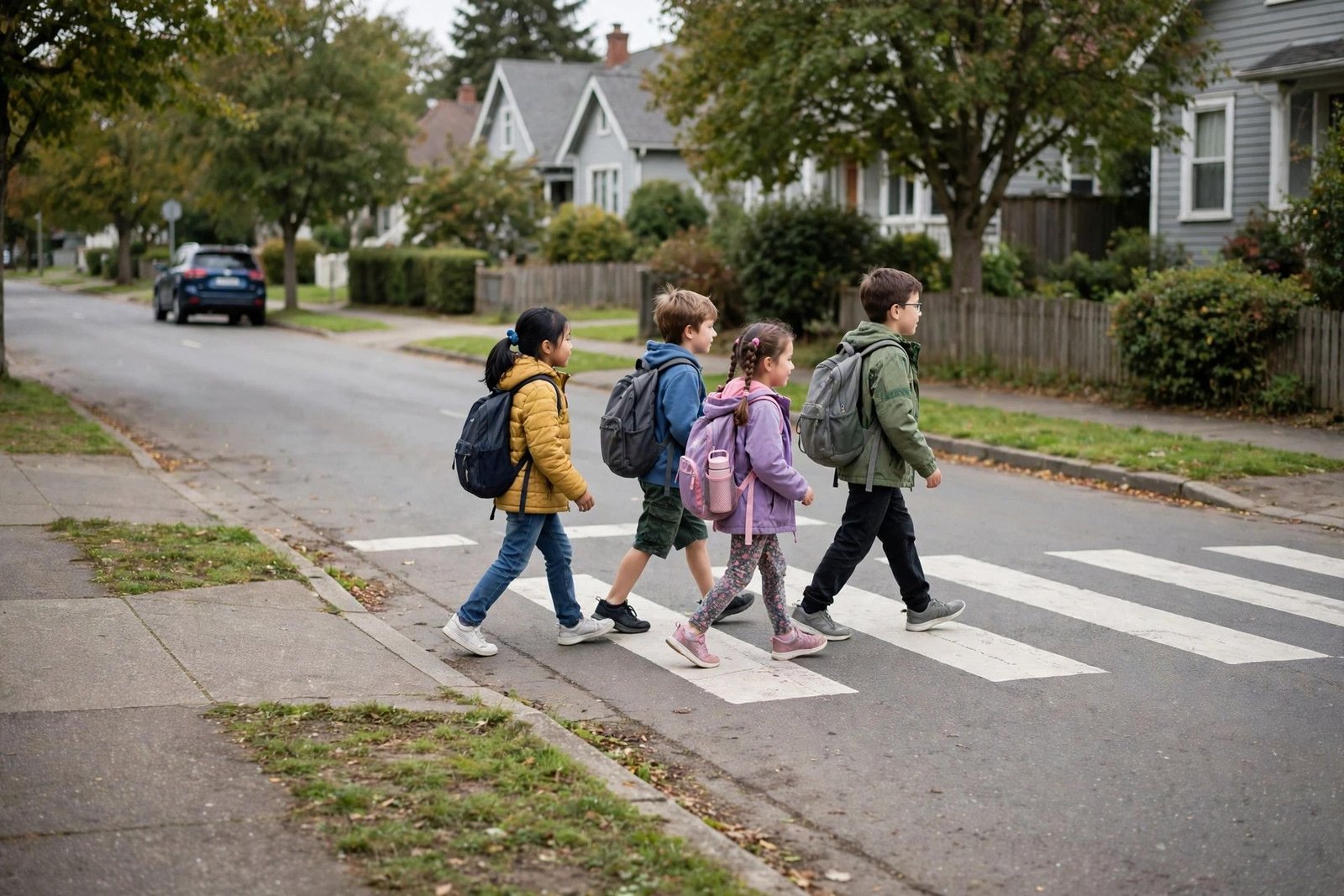
30 km/h is 18.64 mph (30 × 0.621371 = 18.64113).
Thirty km/h is a slow, careful speed — the kind of limit you see near schools and in residential streets, where children cross the road and drivers need time to stop. At 18.64 mph, you are moving at a gentle pace, well below normal city traffic.
50 KM/H to MPH
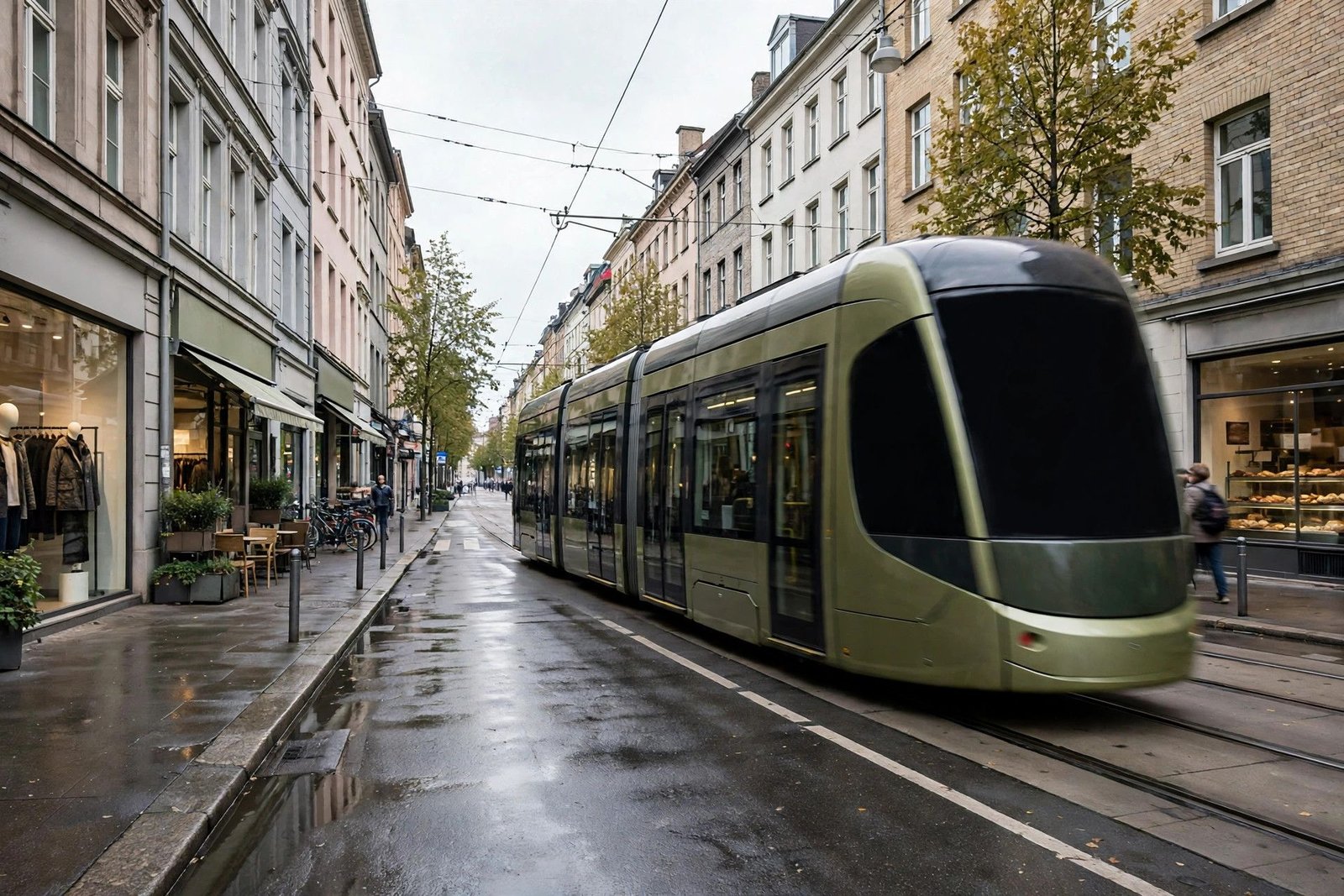
50 km/h is 31.07 mph (50 × 0.621371 = 31.06855).
Fifty km/h is a typical city speed limit in much of Europe and many other countries. At 31.07 mph, you are at the standard pace for driving through a town — the same speed as the 30 mph limit common in built-up areas in the United States and the United Kingdom.
60 KM/H to MPH
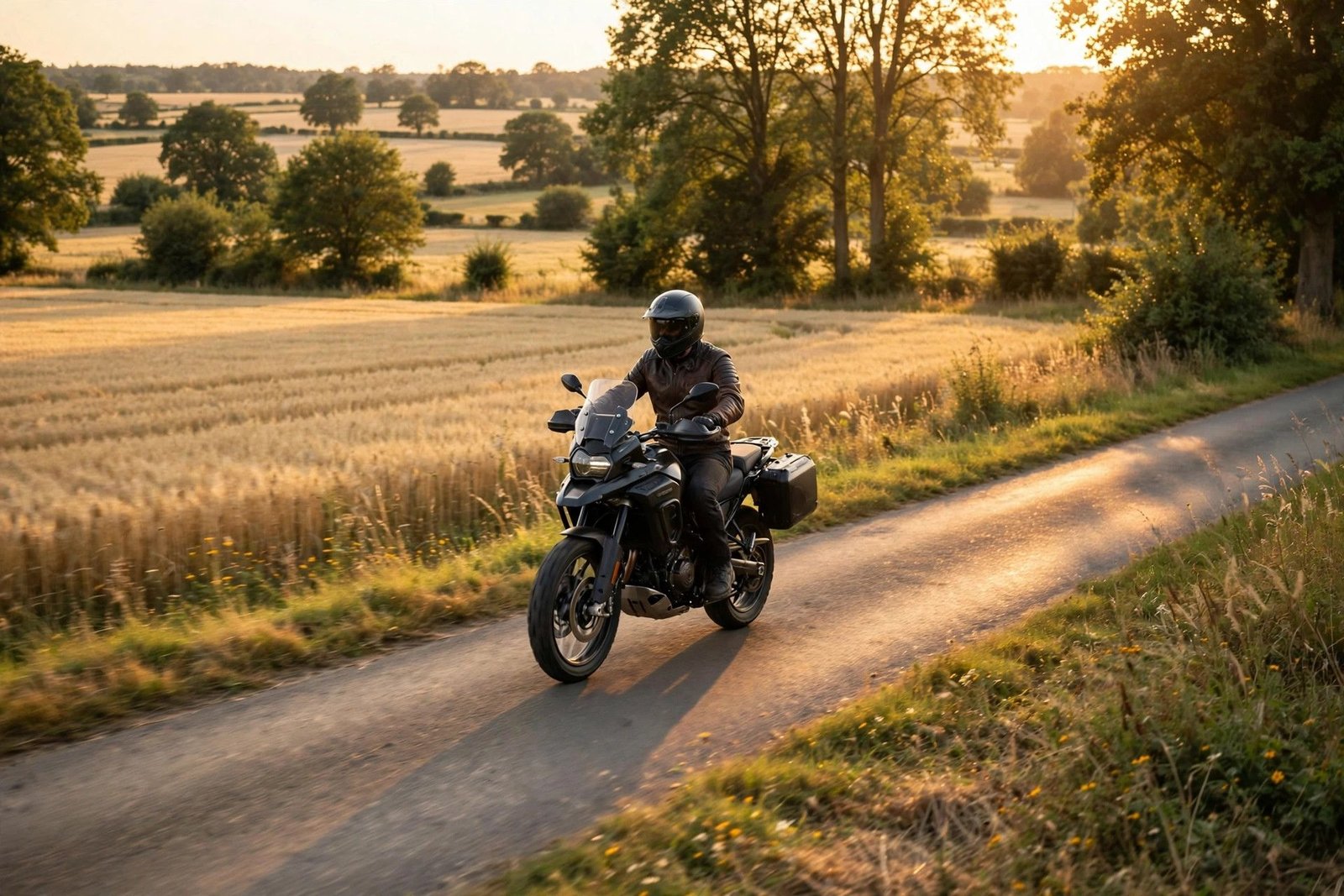
60 km/h is 37.28 mph (60 × 0.621371 = 37.28226).
Sixty km/h sits just above the usual city limit, the speed of traffic on a main road through the suburbs or on a country road. At 37.28 mph, you are moving briskly but still well within the range of ordinary everyday driving.
80 KM/H to MPH
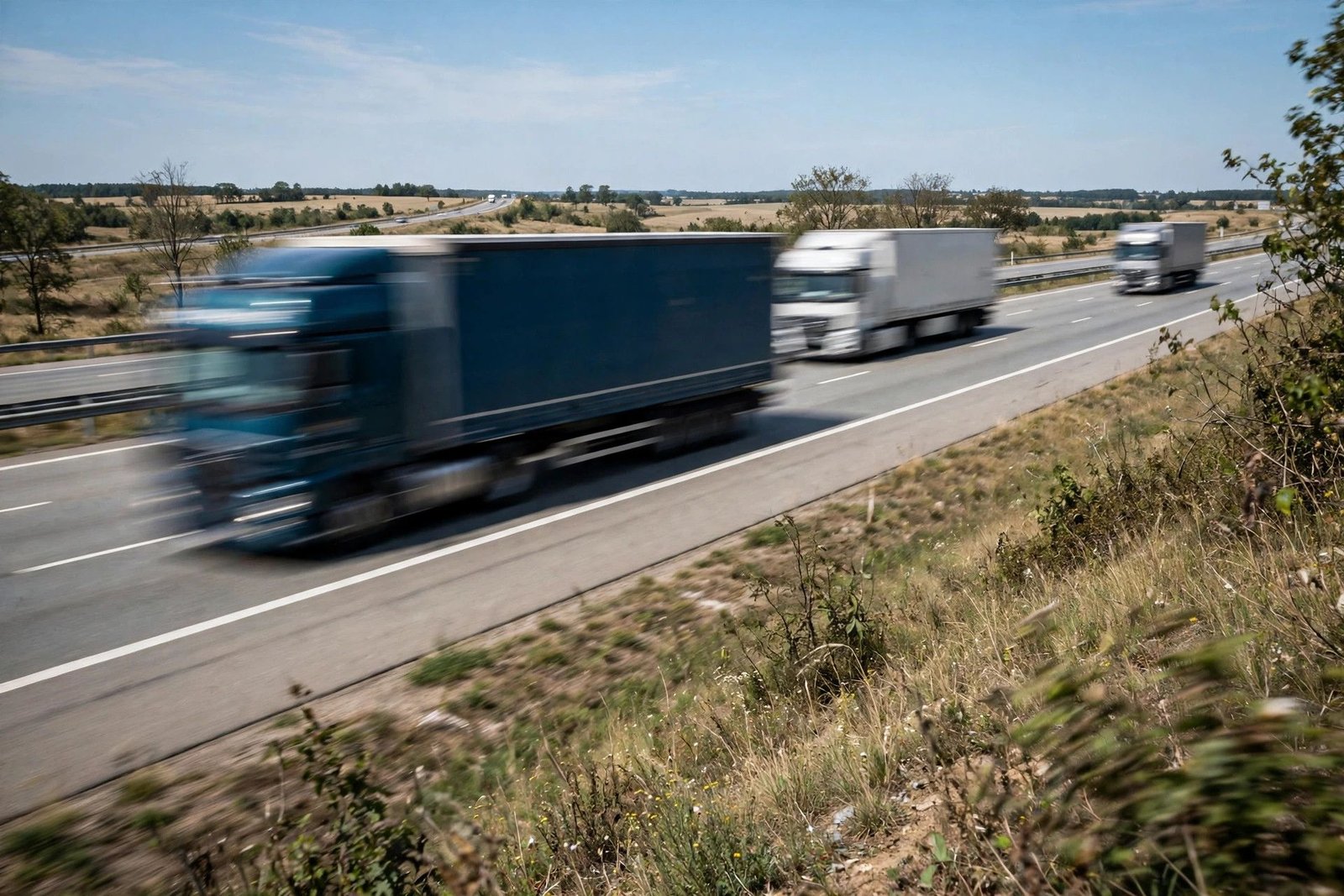
80 km/h is 49.71 mph (80 × 0.621371 = 49.70968).
Eighty km/h is almost exactly 50 mph — a common speed on a dual carriageway or a highway outside the city. At 49.71 mph, trucks and cars cruise steadily, and the road feels open after the stop-and-start of town driving.
100 KM/H to MPH
100 km/h is 62.14 mph (100 × 0.621371 = 62.1371).
One hundred km/h is a common highway speed and the headline number of this guide. At 62.14 mph, you are travelling at the pace of fast motorway traffic — the speed most drivers settle into on a long journey. It is also a useful landmark: 100 km/h is just over 60 mph, so if a sign says 100, think a little over sixty.
120 KM/H to MPH
120 km/h is 74.56 mph (120 × 0.621371 = 74.56452).
One hundred twenty km/h is the motorway speed limit in many European countries, and 130 km/h — 80.78 mph — is the limit in others, including France. At 74.56 mph, you are at the fast end of normal highway driving, close to the 70 mph motorway limit used in the United Kingdom.
150 KM/H to MPH

150 km/h is 93.21 mph (150 × 0.621371 = 93.20565).
One hundred fifty km/h is well above the legal limit on most public roads — a speed you would only see on a race track or on the unrestricted sections of the German autobahn. At 93.21 mph, you are covering about 42 metres every second, so distances close fast and stopping takes far longer than at city speeds.
Converting MPH to KM/H

The reverse direction uses the same factor, the other way around. Since 1 km/h is 0.621371 mph:
KM/H = mph ÷ 0.621371
Worked examples:
- 30 mph = 30 ÷ 0.621371 = 48.28 km/h
- 60 mph = 60 ÷ 0.621371 = 96.56 km/h
- 70 mph = 70 ÷ 0.621371 = 112.65 km/h
- 100 mph = 100 ÷ 0.621371 = 160.93 km/h
A quick check ties the two directions together: 60 mph is 96.56 km/h, and converting back, 96.56 × 0.621371 = 60.00 mph. If your round trip does not land back on the number you started with, you multiplied when you should have divided, or the other way around.
The most common mix-up is using 0.621371 in the wrong direction. Remember: km/h to mph makes the number smaller (multiply by 0.621371), because a mile is longer than a kilometre and you need fewer of them. MPH to km/h makes the number bigger (divide by 0.621371), because a kilometre is shorter and you need more of them.
What Does 100 KM/H Feel Like in Real Life?

Numbers are easier to picture when you compare them with familiar journeys. Here is what the km to mph result — 100 km/h is 62.14 mph — feels like in everyday terms.
On the highway
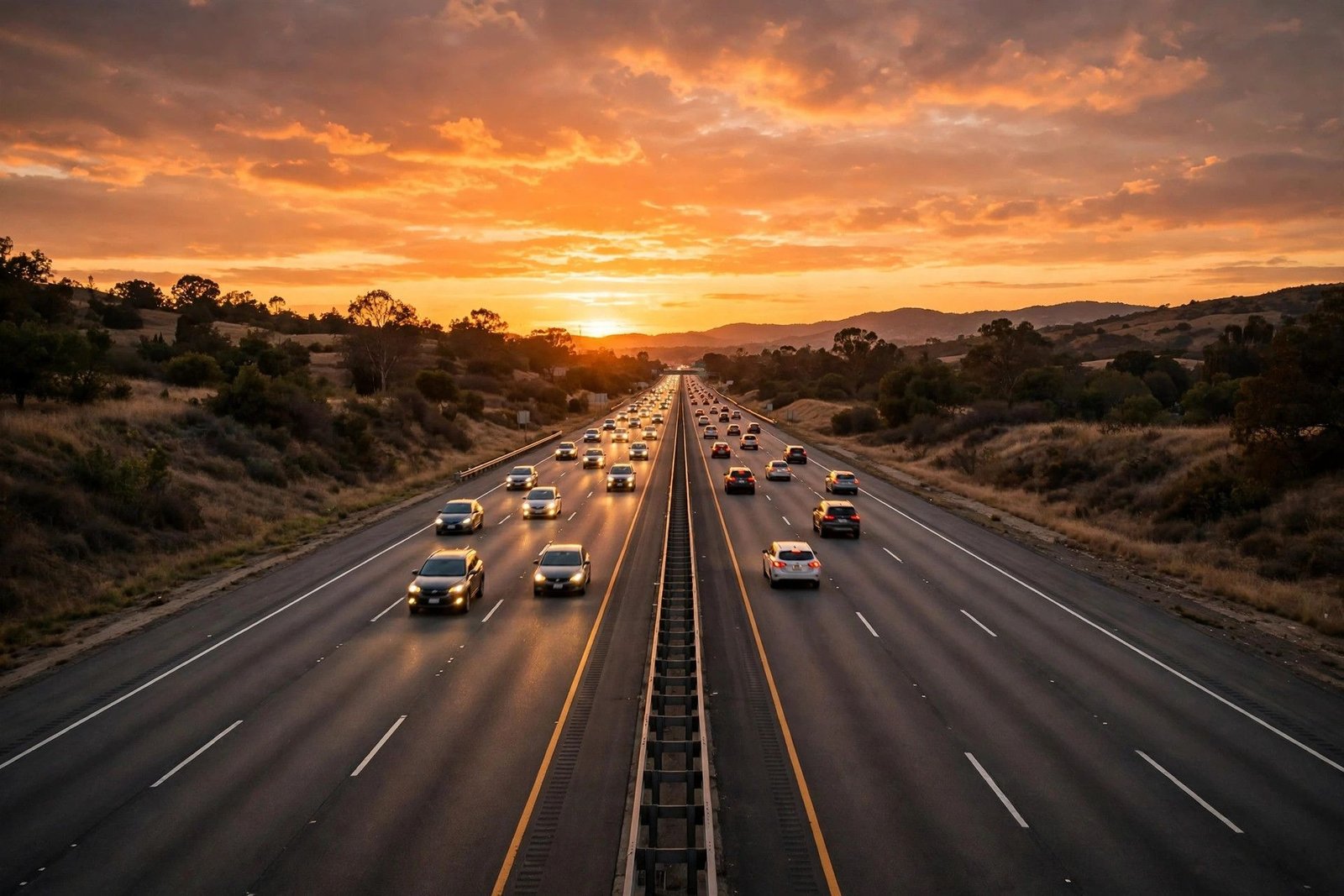
At 100 km/h on a highway, you cover 100 kilometres in an hour — a two-hour drive takes you 200 kilometres. The landscape slides past steadily, lorries and cars overtake and fall behind, and the engine hums at a relaxed cruising pace. This is the speed most long-distance driving happens at.
In the city

In the city, traffic rarely reaches 100 km/h. The usual limit is 50 km/h — 31.07 mph — with 30 km/h zones near schools and shops. At 50 km/h, you pass a city block in a few seconds; at 100 km/h, you would cross the same block in half the time, which is why city limits are set lower.
On a high-speed train

A high-speed train cruises at 200–300 km/h — 124.27 to 186.41 mph — two to three times faster than highway driving. At 200 km/h, the countryside blurs past the window and a 100-kilometre trip takes just half an hour. The 100 km/h of a car feels calm by comparison.
Speeds in this guide

The speeds in this guide span everyday travel: 30 km/h is a school zone, 50 km/h is a city street, 80 km/h is a dual carriageway, 100 km/h is a highway, 120–130 km/h is the motorway limit in much of Europe, and 200–250 km/h belongs to high-speed trains and race tracks.
Common Mistakes When Converting KM to MPH

The conversion is simple, but a few mistakes show up again and again.
Multiplying when you should divide. KM/H to mph means multiplying by 0.621371, and the answer must be smaller than the number you started with — a mile is longer than a kilometre. If your mph answer is bigger than your km/h number, you divided by mistake.
Using 0.62 instead of 0.621371 for exact work. For a quick estimate, 0.62 is fine. But over longer distances the small difference adds up: 250 km/h × 0.62 = 155 mph, while the exact figure is 155.34 mph. Use the full 0.621371 when the measurement matters.
Confusing km/h with mph on the dashboard. A car showing 100 on a km/h speedometer is doing 62.14 mph, not 100 mph. In a country that uses mph, driving at what looks like “100” on a km/h dial would mean breaking the limit by a wide margin — always check which unit the dial uses.
Rounding too early. If you round 0.621371 to 0.62 before multiplying a large number, the error grows. Multiply with the full factor first, then round the answer to two decimal places.
Forgetting the unit in the answer. A bare “62.14” means nothing — 62.14 mph and 62.14 km/h are very different speeds. Always write the unit with the number.
FAQs
What is 100 km to mph?
100 km to mph is 62.14 mph (100 × 0.621371 = 62.1371). That is just over 60 miles per hour — a common highway speed.
How many mph is 50 km/h?
50 km/h is 31.07 mph (50 × 0.621371 = 31.06855). That is a typical city speed limit, close to 30 mph.
How do you convert km/h to mph?
Multiply the number of km/h by 0.621371. For a km to mph conversion, 100 × 0.621371 = 62.14 mph, and 50 × 0.621371 = 31.07 mph.
How do you convert mph to km/h?
Divide the number of mph by 0.621371. For example, 60 mph ÷ 0.621371 = 96.56 km/h, and 70 mph ÷ 0.621371 = 112.65 km/h.
How fast is 120 km/h in mph?
120 km/h is 74.56 mph (120 × 0.621371 = 74.56452). That is the motorway speed limit in many European countries.
Is 100 km/h the same as 100 mph?
No, not at all. The km to mph answer for 100 km/h is 62.14 mph, while 100 mph is 160.93 km/h. A speed of 100 mph is much faster than 100 km/h — about 61% faster.
Conclusion
So, what is 100 km to mph? The answer is 62.14 mph — exactly 62.1371 mph.
The one formula to remember for km to mph — and every other value — is mph = km/h × 0.621371. With it, every value in this guide follows: 30 km/h is 18.64 mph, 50 km/h is 31.07 mph, 60 km/h is 37.28 mph, 80 km/h is 49.71 mph, 120 km/h is 74.56 mph, and 150 km/h is 93.21 mph. Going the other way, km/h = mph ÷ 0.621371 — 60 mph is 96.56 km/h and 100 mph is 160.93 km/h.
The best way to keep the answer in your head is to picture it. One hundred km/h is a highway cruise, just over 60 mph; 50 km/h is a city street at about 31 mph; and a high-speed train at 200 km/h is doing 124.27 mph. Once you have that picture, the km to mph answer follows on its own: 100 km/h is 62.14 mph.
Related Guides

Hi, I’m Michael Carter, I write simple, everyday size guides so you can picture any measurement in seconds.
[…] KM to MPH Conversion: Easy Speed Converter with Formula & Quick Examples […]