
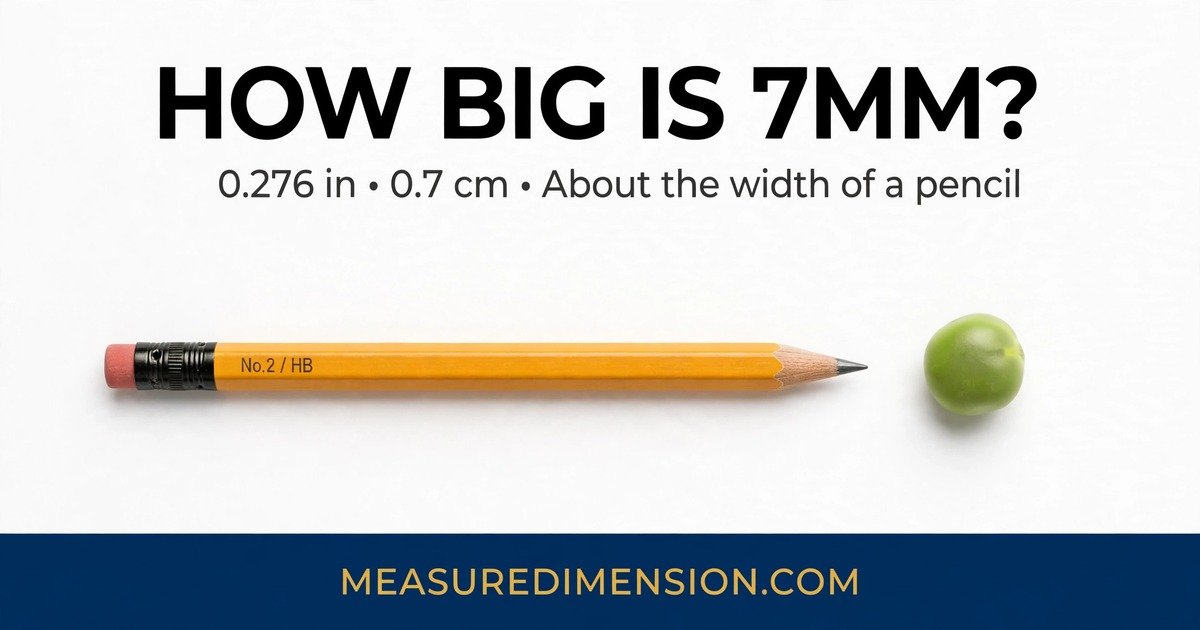
7 mm is 0.276 inches, or about 0.28 inches — just over a quarter of an inch and exactly 0.7 centimeters. It is about the width of a standard pencil and the length of a housefly. This 7mm size comparison shows what 7 mm looks like next to coins and everyday objects.
Seven millimeters is one of those sizes that shows up everywhere once you start looking for it. It is the diameter of a standard pencil, a common metric drill bit size, the length of a housefly, and the size of many screws, beads, and jewelry parts. This 7mm size comparison walks through the exact conversions first, then lines 7 mm up against coins and six everyday objects, so you can picture it in seconds.
7 mm at a Glance
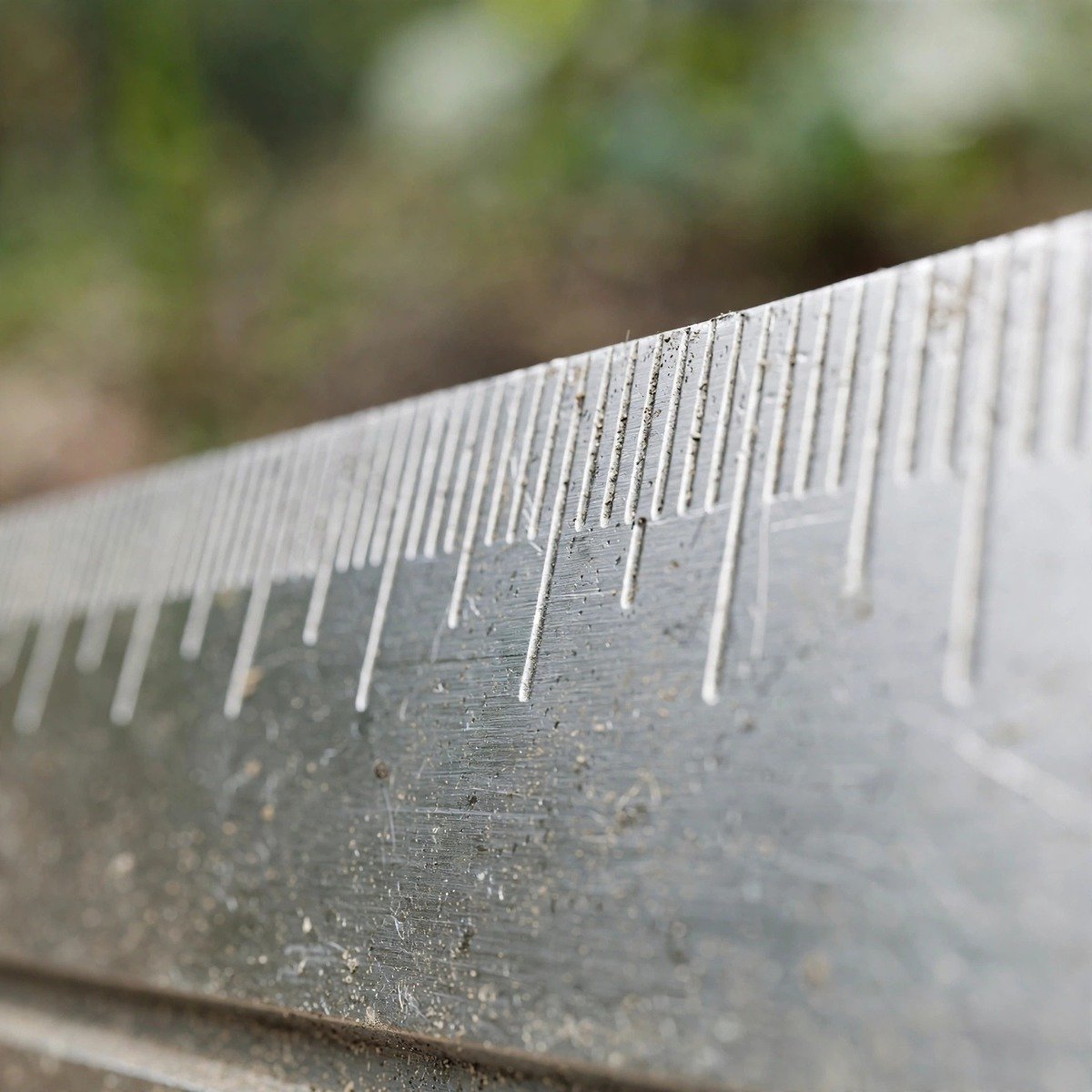
| Measurement | Value |
|---|---|
| 7 mm in inches (exact) | 0.276 in |
| 7 mm in inches (rounded) | 0.28 in |
| 7 mm in centimeters | 0.7 cm |
| 7 mm in meters | 0.007 m |
| 7 mm in feet | 0.023 ft |
| 7 mm in micrometers | 7,000 µm |
| Nearest common fraction of an inch | 9/32 in (7.14 mm) |
| 7 mm compared with 1/4 inch (6.35 mm) | 0.65 mm bigger |
| 7 mm as a share of 1 centimeter | 70% |
| Closest everyday match | Standard pencil diameter (about 7 mm) |
| 7 mm compared with a US penny | About 37% of a penny’s diameter |
| 7 mm compared with a stack of quarters | Exactly 4 quarters thick |
Quick tip: 7 mm is just over a quarter inch. If you only have an imperial ruler, find the 1/4-inch mark and go a hair past it — that is 7 mm. Or stack four US quarters: four quarters are exactly 7 mm thick.
How Big Is 7 mm in Inches?
7 mm is 0.276 inches. The math is simple: 1 inch is exactly 25.4 mm, so 7 divided by 25.4 gives 0.2756 inches, which rounds to 0.276 inches. For everyday use, 0.28 inches is close enough — the difference between 0.276 and 0.28 is only 0.004 inches.
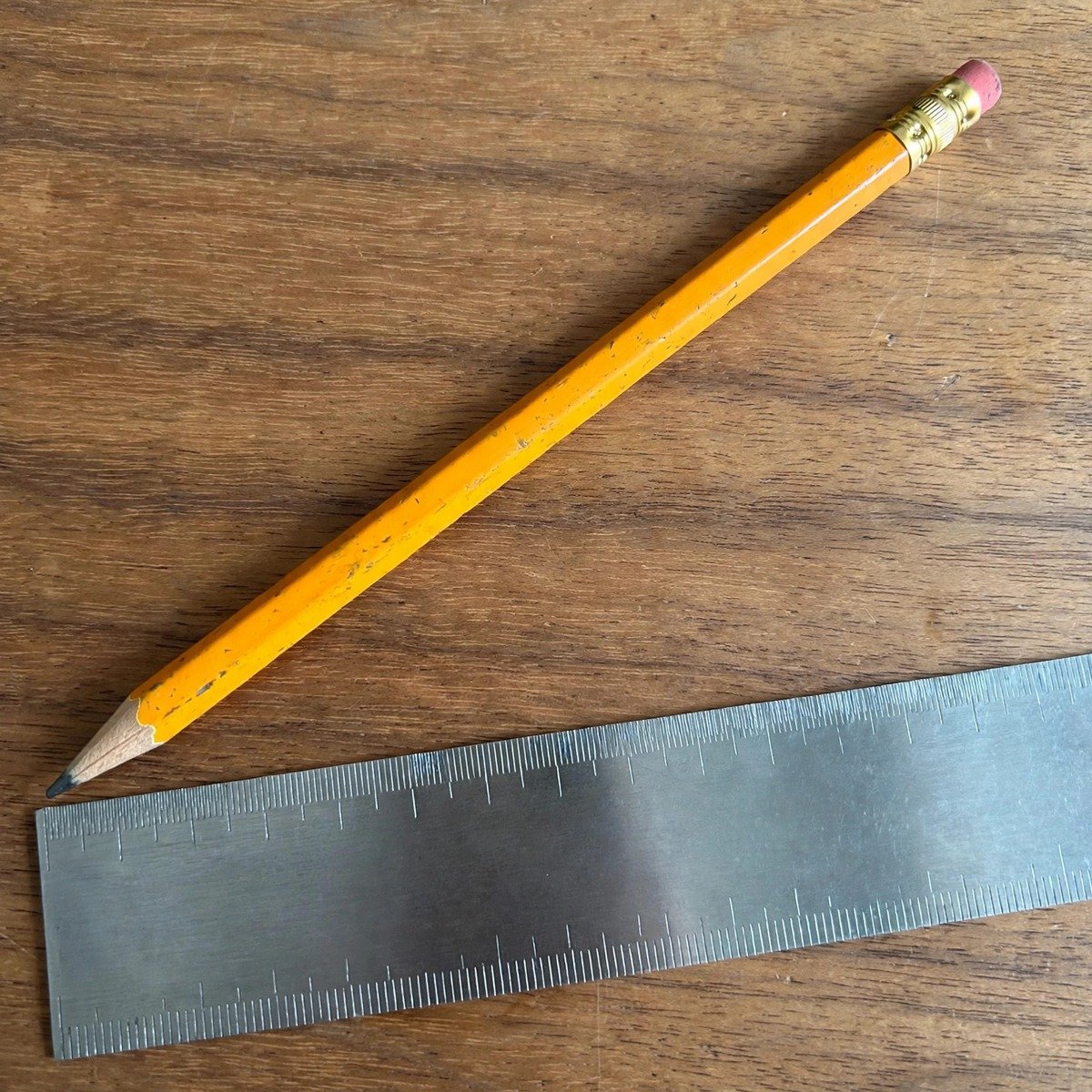
On a ruler, 7 mm sits just past the 1/4-inch mark. A quarter inch is 6.35 mm, so 7 mm is 0.65 mm beyond it — about the thickness of a credit card past the line. That is why a 7mm size comparison with a ruler is so useful: you can find 7 mm on any imperial ruler by finding 1/4 inch and moving a tiny step further.
If you are buying a drill bit, a screw, or a bead, do not round 7 mm down to 1/4 inch. A 1/4-inch drill bit is 6.35 mm wide, and a 7 mm bit is 0.65 mm wider. That gap matters when a hole has to fit a part exactly. For picturing the size, though, “just over a quarter inch” is the most honest everyday answer. That is the number to remember from this 7mm size comparison: 0.276 inches.
7 mm in Centimeters, Meters and Feet
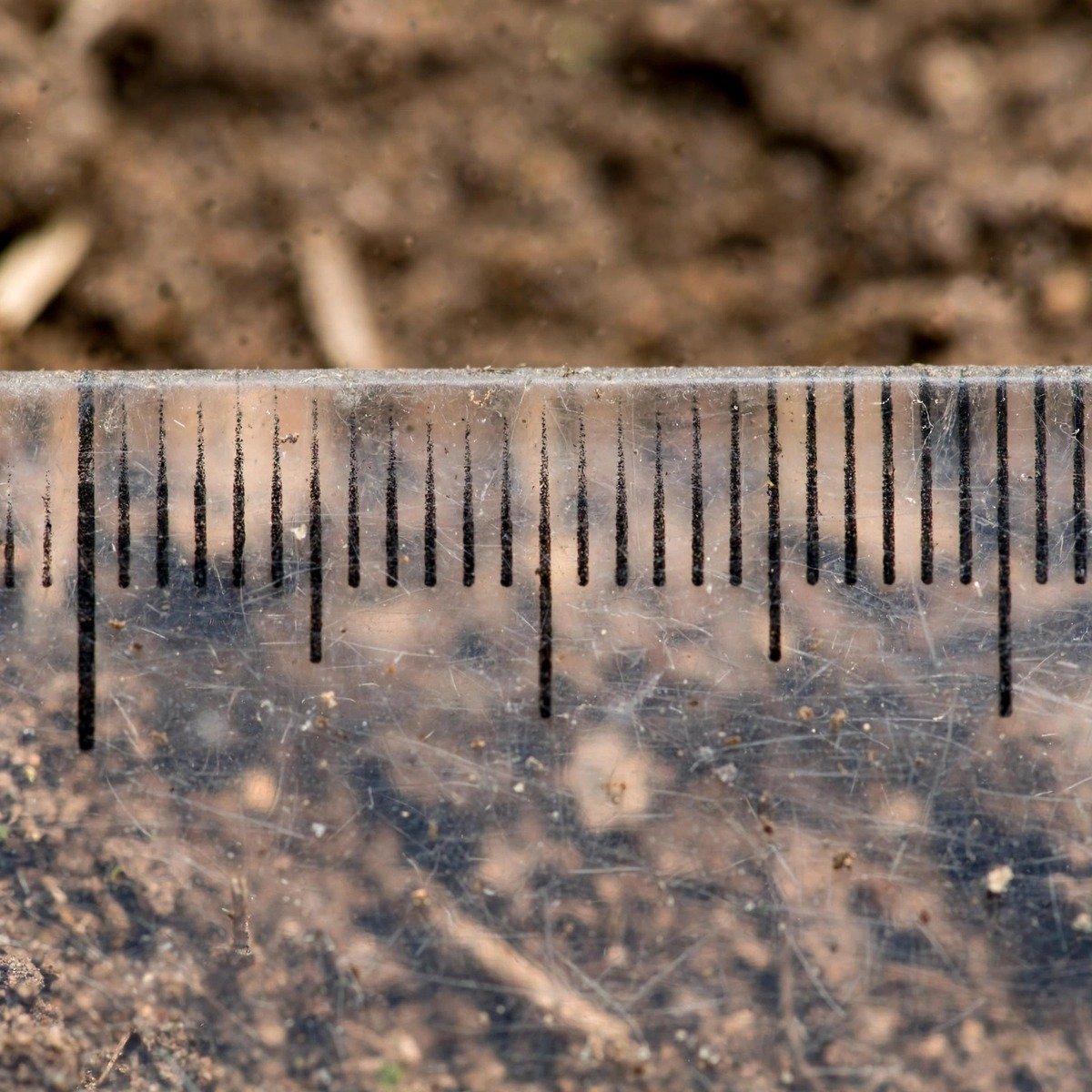
In metric units, 7 mm is 0.7 centimeters. There are 10 millimeters in a centimeter, so 7 divided by 10 is 0.7 cm. That also means 7 mm is exactly 70 percent of a centimeter — if you picture a centimeter marked on a ruler, 7 mm covers seven of its ten small divisions.
In meters, 7 mm is 0.007 meters, because there are 1,000 millimeters in a meter. In feet, 7 mm is 0.023 feet (7 divided by 304.8 is 0.02297, which rounds to 0.023 feet). And in micrometers, the unit used for very fine measurements, 7 mm is 7,000 micrometers. This 7mm size comparison is easiest in centimeters: 0.7 cm is a number most people can picture at once, while 0.007 meters and 0.023 feet are too small to feel intuitive.
If you remember one line from this 7mm size comparison, make it this: 7 mm is 0.7 cm. The metric side of 7 mm is also what makes it a natural size. Metric drill bits, screws, and jewelry findings are sold in whole-millimeter steps, and 7 mm is one of the standard steps. That is why 7 mm shows up in hardware stores, craft shops, and repair kits far more often than an odd size like 6.8 mm or 7.3 mm.
7 mm vs 1/4 Inch: Which Is Bigger?
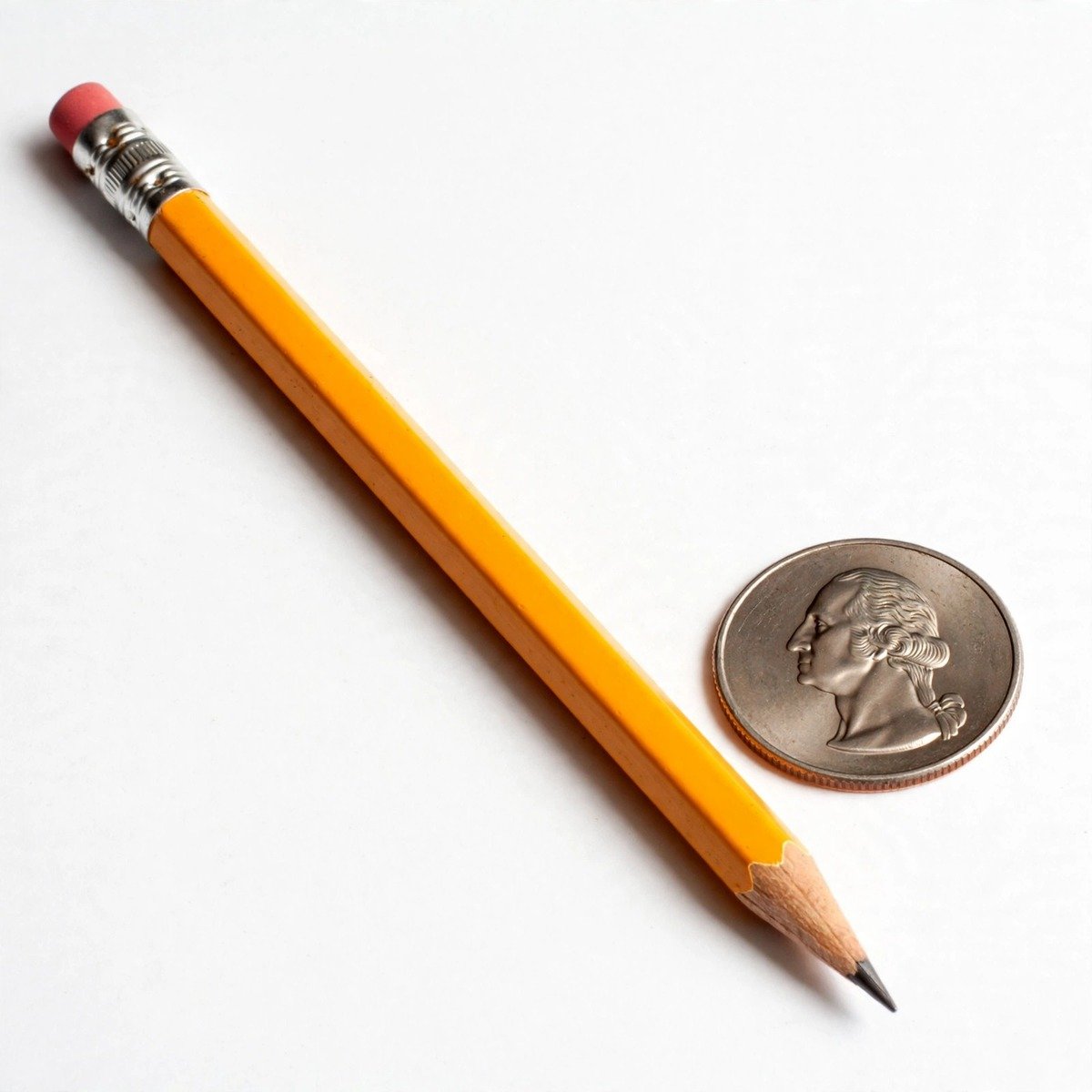
7 mm is bigger than 1/4 inch. A quarter inch is 6.35 mm (25.4 divided by 4), so 7 mm beats it by 0.65 mm. In percentage terms, 7 divided by 6.35 is 1.102, which means 7 mm is about 10 percent bigger than a quarter inch.
The closest common imperial fraction to 7 mm is 9/32 of an inch. Nine divided by 32 is 0.28125 inches, and 0.28125 times 25.4 is 7.14 mm — only 0.14 mm bigger than 7 mm. If a drill chart or a parts list gives you 9/32 inch as the nearest size, that is the one to use. A 7mm size comparison with 1/4 inch is worth remembering because the two sizes look almost the same on a ruler but are not interchangeable: a 7 mm screw will not fit a 1/4-inch hole, and a 1/4-inch drill bit will leave a hole 0.65 mm too small for a 7 mm part.
That gap is the whole point of this 7mm size comparison: close is not the same as exact. For a quick sense of scale, 7 mm is also 40 percent bigger than 5 mm (7 divided by 5 is 1.4), and about 2.3 times bigger than 3 mm (7 divided by 3 is 2.33). And it is 70 percent of 10 mm, which is a full centimeter. So 7 mm sits a little past two-thirds of the way from zero to one centimeter.
7mm Size Comparison With US Coins
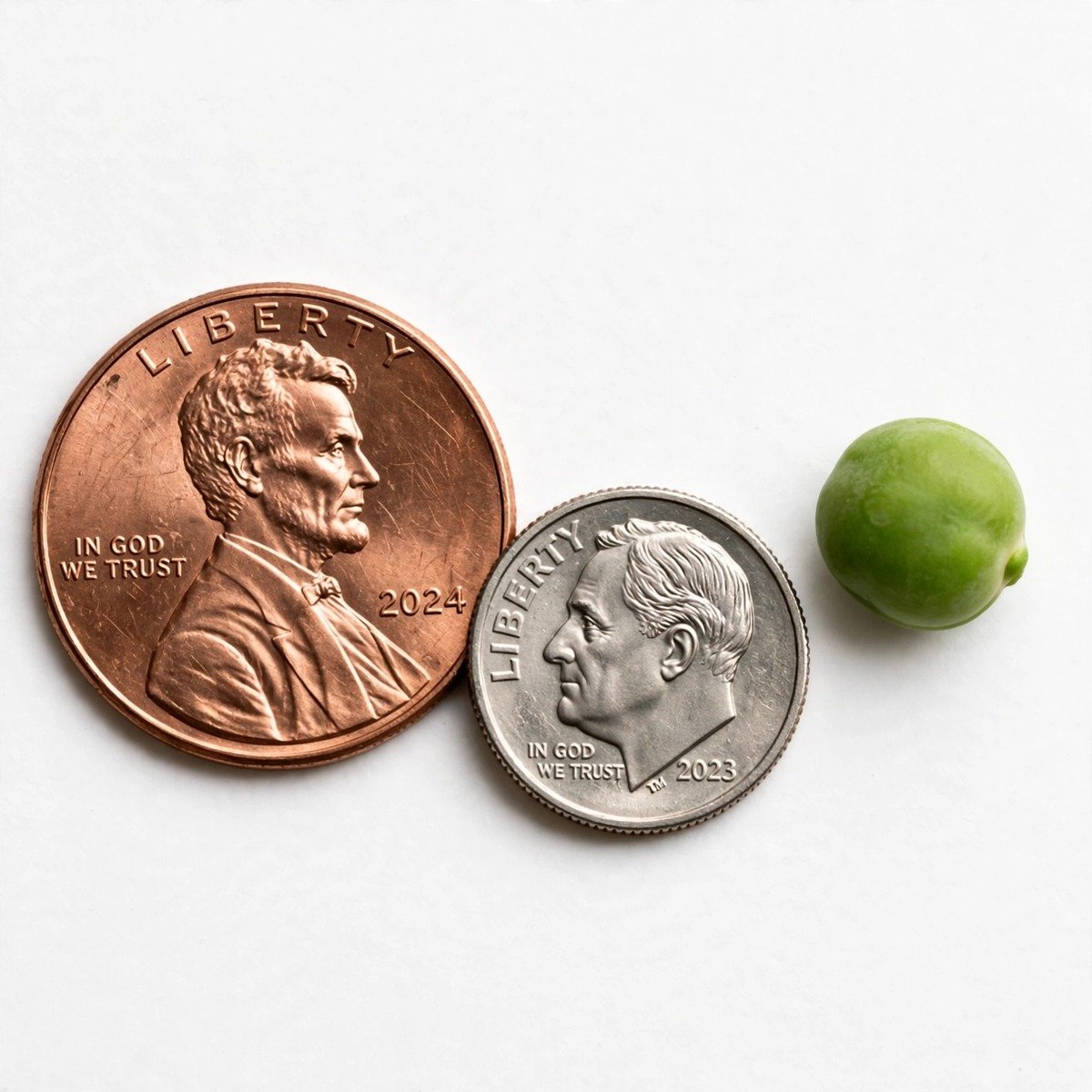
Coins make the best pocket ruler, because the US Mint makes every coin to an exact size. In this 7mm size comparison, coins are the most reliable pocket ruler you own. Here are the official US Mint measurements for the coins you probably have in your pocket right now.
- Penny (1 cent): 19.05 mm across, 1.52 mm thick
- Dime (10 cents): 17.91 mm across, 1.35 mm thick
- Nickel (5 cents): 21.21 mm across, 1.95 mm thick
- Quarter (25 cents): 24.26 mm across, 1.75 mm thick
Laid across a coin, 7 mm is a small slice of the diameter. Seven divided by 19.05 is 0.367, so 7 mm is about 37 percent of a penny’s width — a little more than a third of the way across. Against a dime, 7 divided by 17.91 is 0.391, so 7 mm is about 39 percent of a dime’s width. Against a nickel it is about 33 percent (7 divided by 21.21 is 0.330), and against a quarter it is about 29 percent (7 divided by 24.26 is 0.289).
Stacked coins give an even better feel for 7 mm. A penny is 1.52 mm thick, and 7 divided by 1.52 is 4.6, so a stack of about four and a half pennies is 7 mm tall. A dime is 1.35 mm thick, and 7 divided by 1.35 is 5.19, so about five dimes stacked make 7 mm. A nickel is 1.95 mm thick, and 7 divided by 1.95 is 3.59, so about three and a half nickels make 7 mm. The neatest trick of all is the quarter: a quarter is 1.75 mm thick, and 1.75 times 4 is exactly 7.00, so four quarters stacked are exactly 7 mm tall.
Everyday Size Comparisons: A 7mm Size Comparison With Objects You Know
Numbers are useful, but most people picture a size by matching it to something they have held. Each object below is one more way to see the 7mm size comparison in real life. This 7mm size comparison lines 7 mm up against six everyday objects, each one about 7 mm in at least one direction.
Standard Pencil
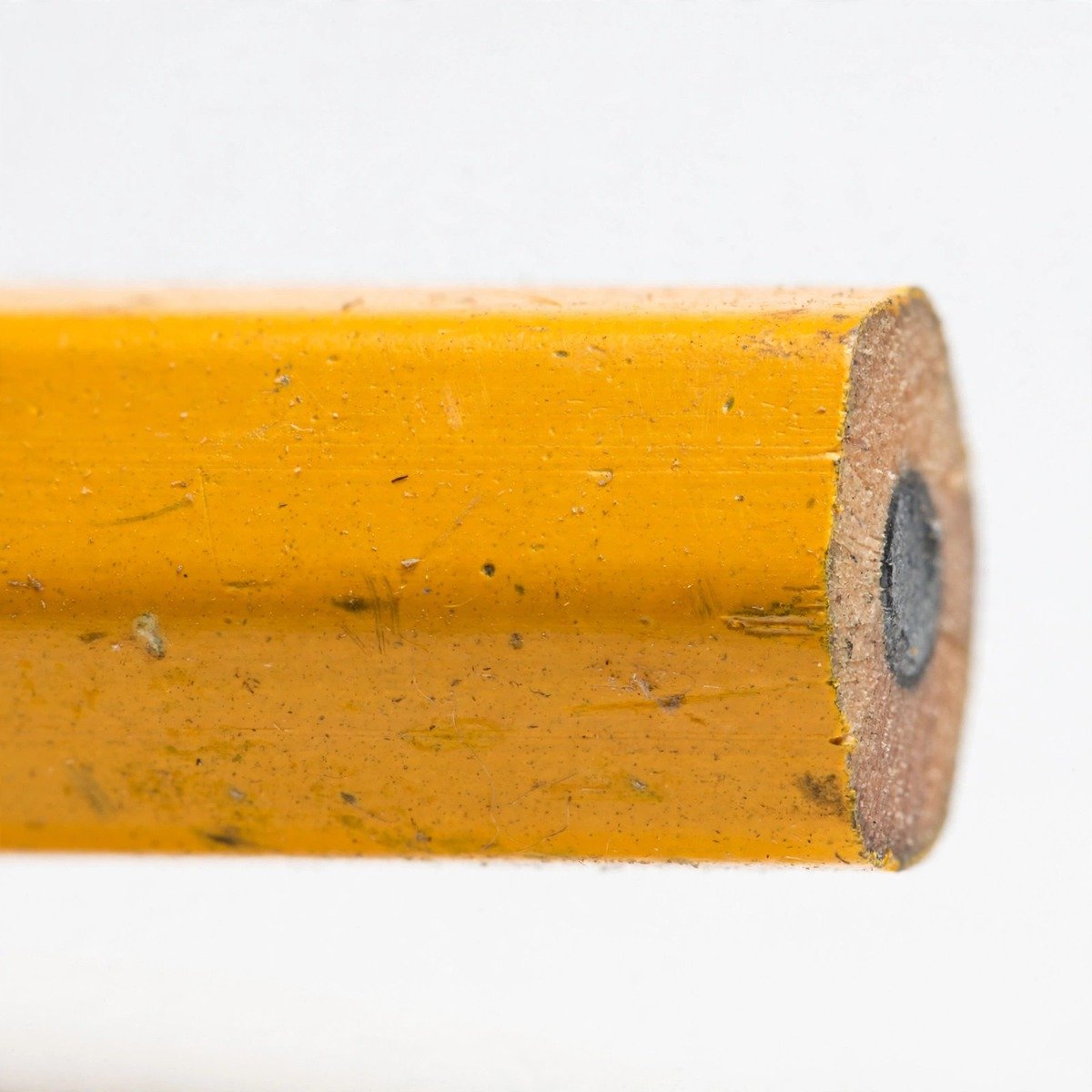
A standard #2 pencil is about 7 mm wide. The outer diameter of a classic hexagonal #2 pencil is about 7 mm (9/32 inch, or 7.14 mm), while the flat-to-flat width across the hexagon is about 6 mm (1/4 inch). In other words, the thickness of the pencil in your hand is 7 mm. Pick up any ordinary yellow pencil and look at the end of it: the wooden barrel you grip between your fingers is the size this whole 7mm size comparison is about. Hold a pencil next to a ruler and this 7mm size comparison becomes something you can see. It is the single most exact everyday match for 7 mm, which is why so many size guides start with it.
Green Pea
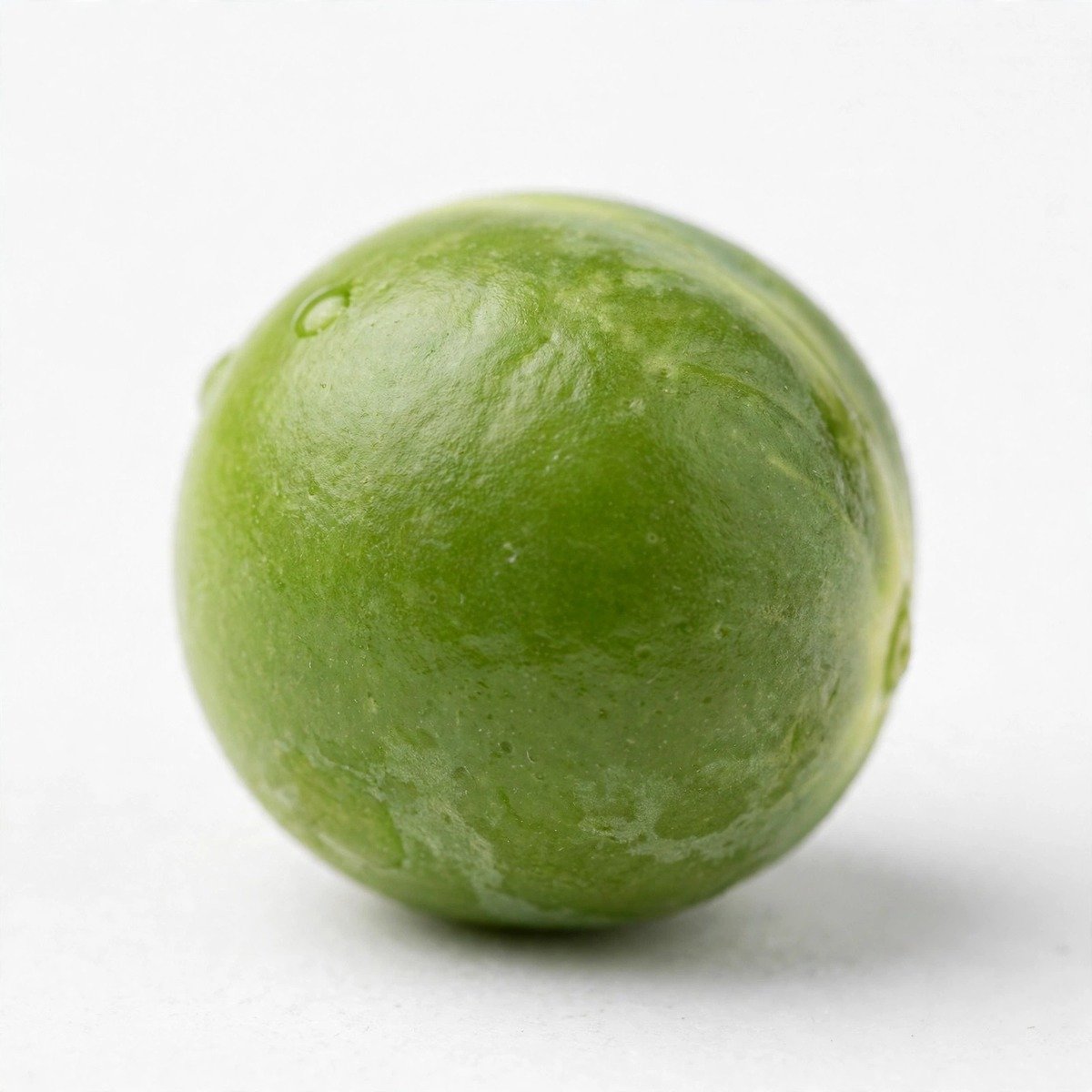
A fresh green pea is 7.5 to 8.5 mm across, so a pea is just a hair wider than 7 mm. The difference is only 0.5 to 1.5 mm — a pea is about 7 percent bigger than 7 mm at the small end of the range and about 21 percent bigger at the large end. If you put a pea next to a 7 mm drill bit, the pea wins by a sliver you can barely see. That makes the pea a useful check: anything about the size of a pea is about 7 to 8 mm, and anything clearly smaller than a pea is smaller than 7 mm. A pea is the easiest fruit-and-vegetable check in this 7mm size comparison.
Grain of Rice
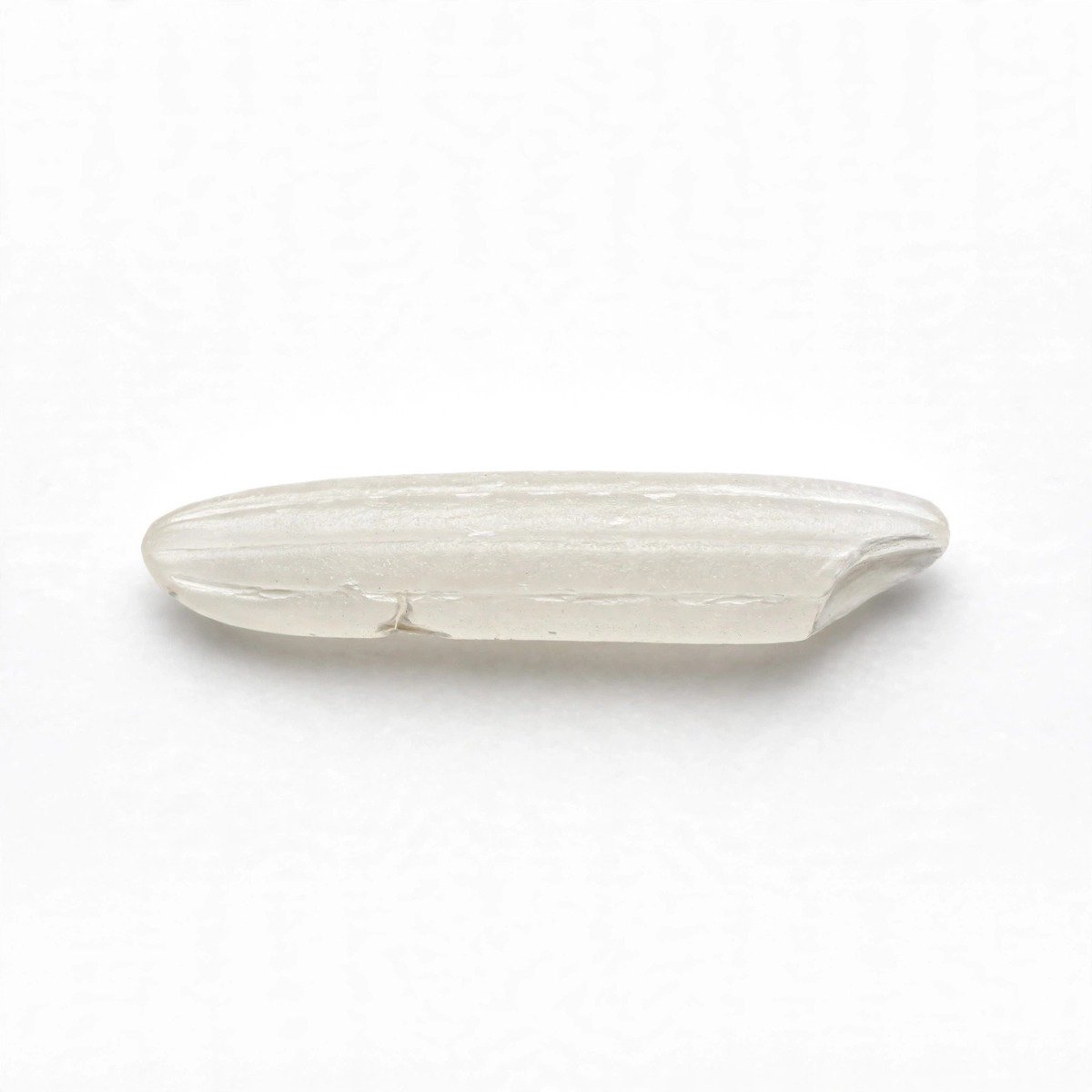
A single grain of long-grain rice is about 6 to 7 mm long. The long-grain rice in most kitchens measures about 6 to 7 mm from tip to tip. A grain of rice is also about 2.5 to 4 mm wide, so it is roughly twice as long as it is wide (7 divided by 3 is about 2.3). In this 7mm size comparison, the rice grain shows the length of 7 mm in a straight line: lay one grain of rice on a table and you are looking at 7 mm end to end. If you only remember one food from this 7mm size comparison, make it the rice grain.
Ladybug

A ladybug is about 7 mm long. Most common ladybugs, including the seven-spot ladybird, measure 5 to 8 mm from head to tail, and a typical adult is right around 7 mm. That makes the ladybug one of the closest living matches for 7 mm: the little red beetle on a leaf is almost exactly 7 mm long. A ladybug is the most charming entry in this 7mm size comparison.
Housefly
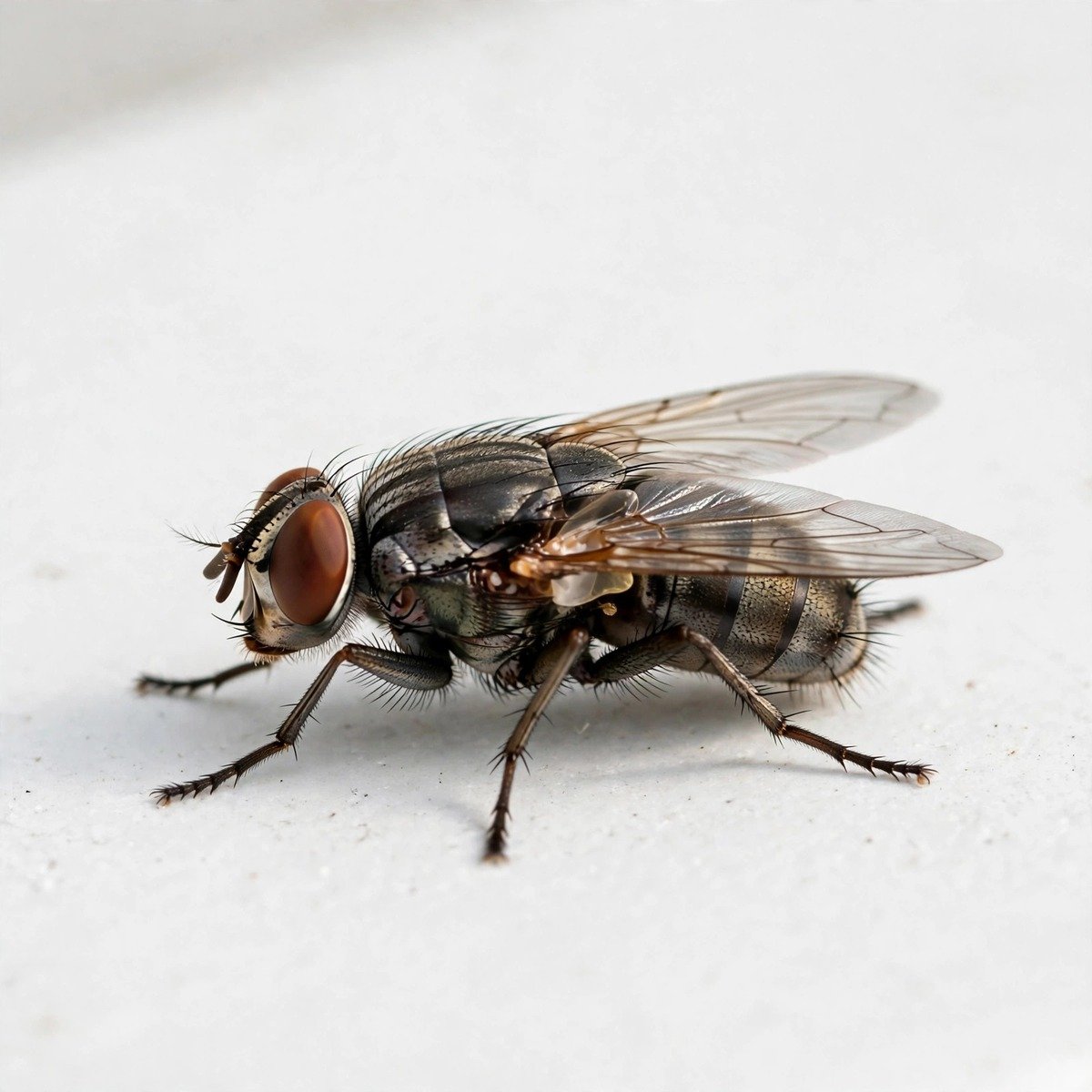
An adult housefly is 6 to 7 mm long. The common housefly (Musca domestica) measures 6 to 7 mm from head to abdomen, with a wingspan of 13 to 15 mm — about double its body length. In a 7mm size comparison, the housefly is the most familiar insect at this size: if you have ever watched a fly walk across a window, you have seen a 7 mm body in motion. It is a little smaller than a ladybug and a little bigger than a fruit fly, which is only 3 to 4 mm long. That is why the housefly earns its place in this 7mm size comparison.
7mm Drill Bit
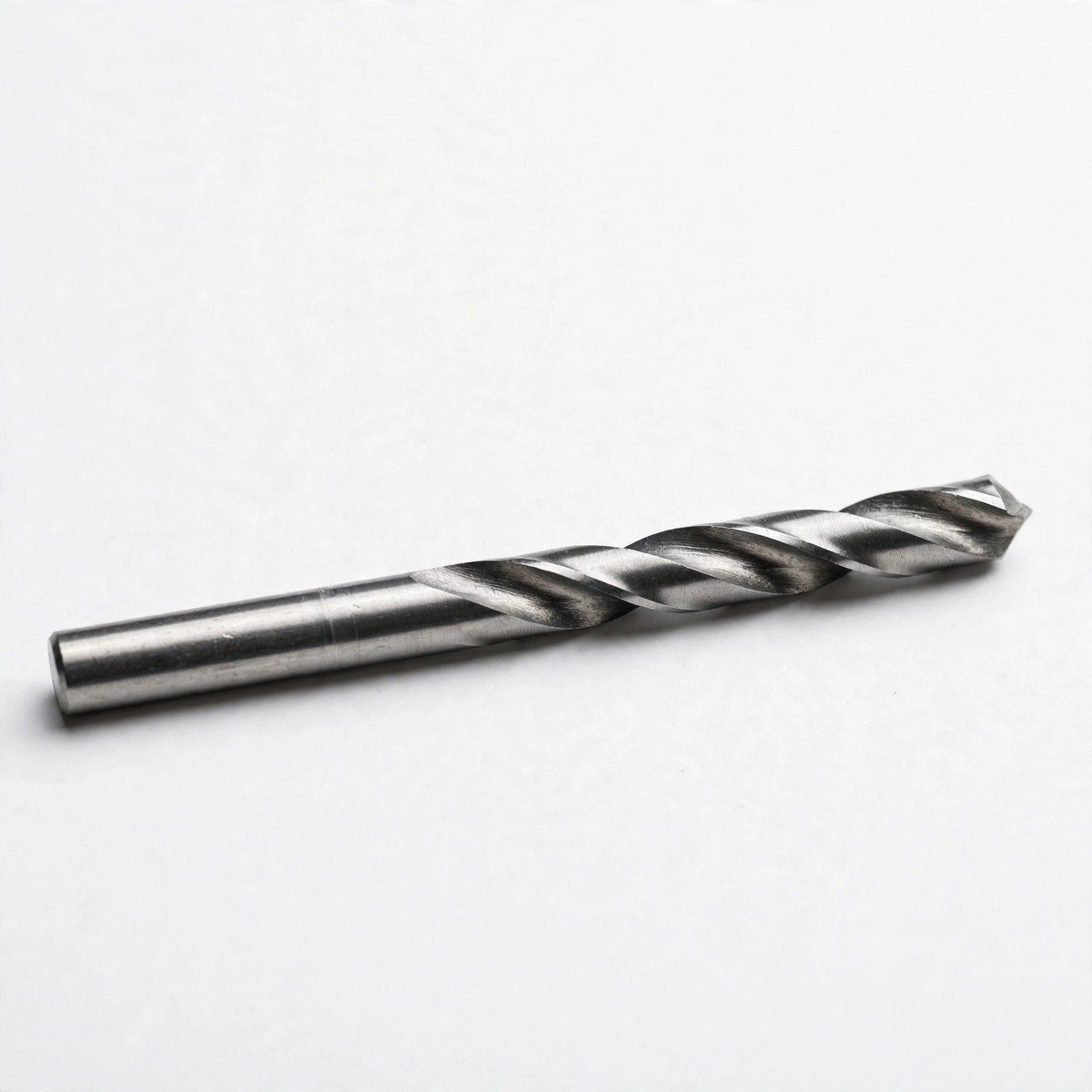
A 7 mm drill bit is exactly 7 mm across — that is what the number means. Metric drill bits are sold in whole-millimeter steps, and a 7 mm bit drills a hole 7 mm wide, or 0.276 inches. It is a standard size in metric drill sets, sitting between the 6 mm and 8 mm bits. The useful comparison here is with the imperial sizes: a 1/4-inch bit is 6.35 mm, which is 0.65 mm smaller than a 7 mm bit, and a 9/32-inch bit is 7.14 mm, which is 0.14 mm bigger. If you are drilling for a 7 mm wall plug or a 7 mm screw, the 7 mm bit is the one that fits — the imperial sizes are close, but close is not exact. A drill bit is the most exact entry in this 7mm size comparison, because its size is its name.
How to Measure 7 mm Without a Metric Ruler
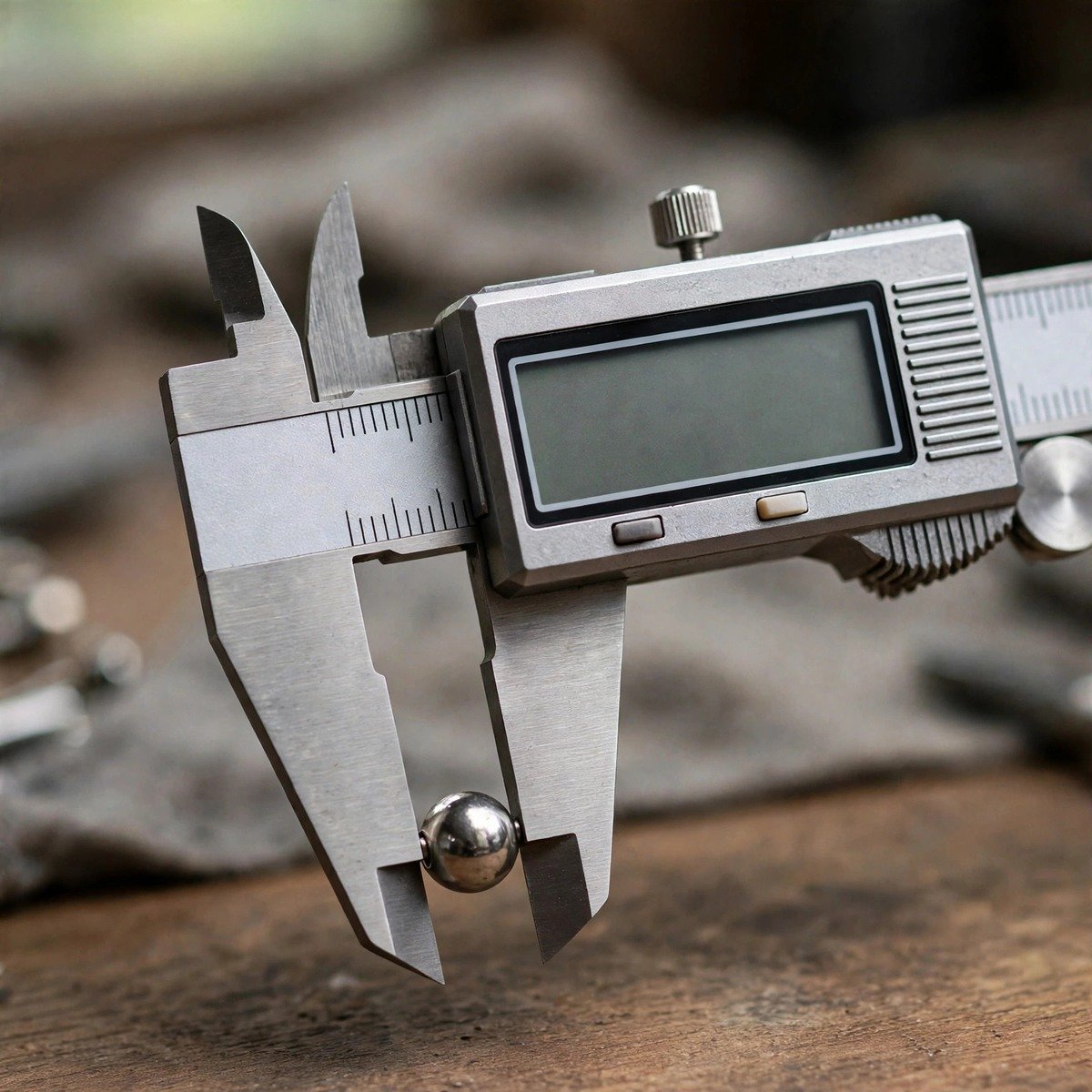
You do not need a metric ruler to find 7 mm. This 7mm size comparison gives you four ways to measure it with things you already have.
First, use an imperial ruler: find the 1/4-inch mark and go just past it. The gap between 1/4 inch (6.35 mm) and 7 mm is 0.65 mm, about the thickness of a credit card. Second, stack four quarters: four US quarters are exactly 7 mm tall, because each quarter is 1.75 mm thick and 1.75 times 4 is 7.00. Third, use a pencil: the diameter of a standard #2 pencil is about 7 mm, so the thickness of a pencil is your 7 mm gauge. Fourth, use a digital caliper if you need an exact number — a caliper reads 7.00 mm directly and is the right tool for drill bits, beads, screws, and jewelry parts.
Between the pencil, the quarters, and the pea, this 7mm size comparison gives you a 7 mm gauge anywhere, without a ruler.
Frequently Asked Questions
How big is 7mm in inches?
7 mm is 0.276 inches, or about 0.28 inches. The exact math is 7 divided by 25.4, which is 0.2756 inches, rounded to 0.276 inches. In everyday terms, 7 mm is just over a quarter of an inch.
Is 7mm bigger than 1/4 inch?
Yes. A quarter inch is 6.35 mm, so 7 mm is 0.65 mm bigger — about 10 percent bigger. That 0.65 mm gap is the key number in this 7mm size comparison. The closest imperial fraction to 7 mm is 9/32 inch, which is 7.14 mm, only 0.14 mm bigger than 7 mm.
What everyday object is 7mm?
A standard #2 pencil is about 7 mm wide, a housefly’s body is 6 to 7 mm long, and a ladybug is about 7 mm long. A green pea is just slightly bigger at 7.5 to 8.5 mm, and a grain of long-grain rice is about 6 to 7 mm long. Four US quarters stacked are exactly 7 mm tall.
Is 7mm the same as 0.7 cm?
Yes, exactly. There are 10 millimeters in a centimeter, so 7 mm divided by 10 is 0.7 cm. That also means 7 mm is 70 percent of a full centimeter.
How many quarters stacked make 7mm?
Exactly four. Each US quarter is 1.75 mm thick, and 1.75 times 4 is 7.00 mm. Four quarters stacked are exactly 7 mm tall, which makes them the easiest no-ruler way to feel what 7 mm is — the handiest trick in this 7mm size comparison.
Conclusion
7 mm is 0.276 inches, or about 0.28 inches — just over a quarter inch and exactly 0.7 centimeters. It is the width of a standard pencil, the length of a housefly and a ladybug, and a hair smaller than a green pea. Four quarters stacked are exactly 7 mm tall, which is the easiest way to picture it without a ruler. This 7mm size comparison shows that 7 mm is small enough to sit on a fingertip, but big enough to see clearly — a size you meet every day in pencils, drill bits, screws, and insects, once you know what to look for. Keep this 7mm size comparison in mind the next time a drill bit, a screw, or a bead is labelled 7 mm.
Related Guides
- 5 Centimeters in Inches: How Big Is 5 cm Really?
- 15 Common Things That Are 30 Centimeters Long (With Pictures)
- Length Converter – Convert Inches, Feet, Meters & More
- Inches to CM Converter – Convert Inches to Centimeters
- 12 Common Things That Are 72 Inches Long (With Pictures)

Hi, I’m Michael Carter, I write simple, everyday size guides so you can picture any measurement in seconds.