

If you have never dieted before, most weight-loss plans feel impossible. They ask you to count every calorie, cook special meals, join a gym, and change your whole life on day 1. No wonder most people quit by day 4.
This plan is different. It has one goal — lose 4 kg in 30 days — and it gets there with small changes, one meal at a time. No calorie counting. No gym. No special food. Just a few simple habits that add up over a month.
Four kilograms is about 9 pounds, or roughly 1 kg a week. It is enough to feel in your clothes and see in the mirror, but small enough to reach without suffering. That is the whole idea: a plan a beginner can actually finish.
Why 4 kg Is the Honest Target
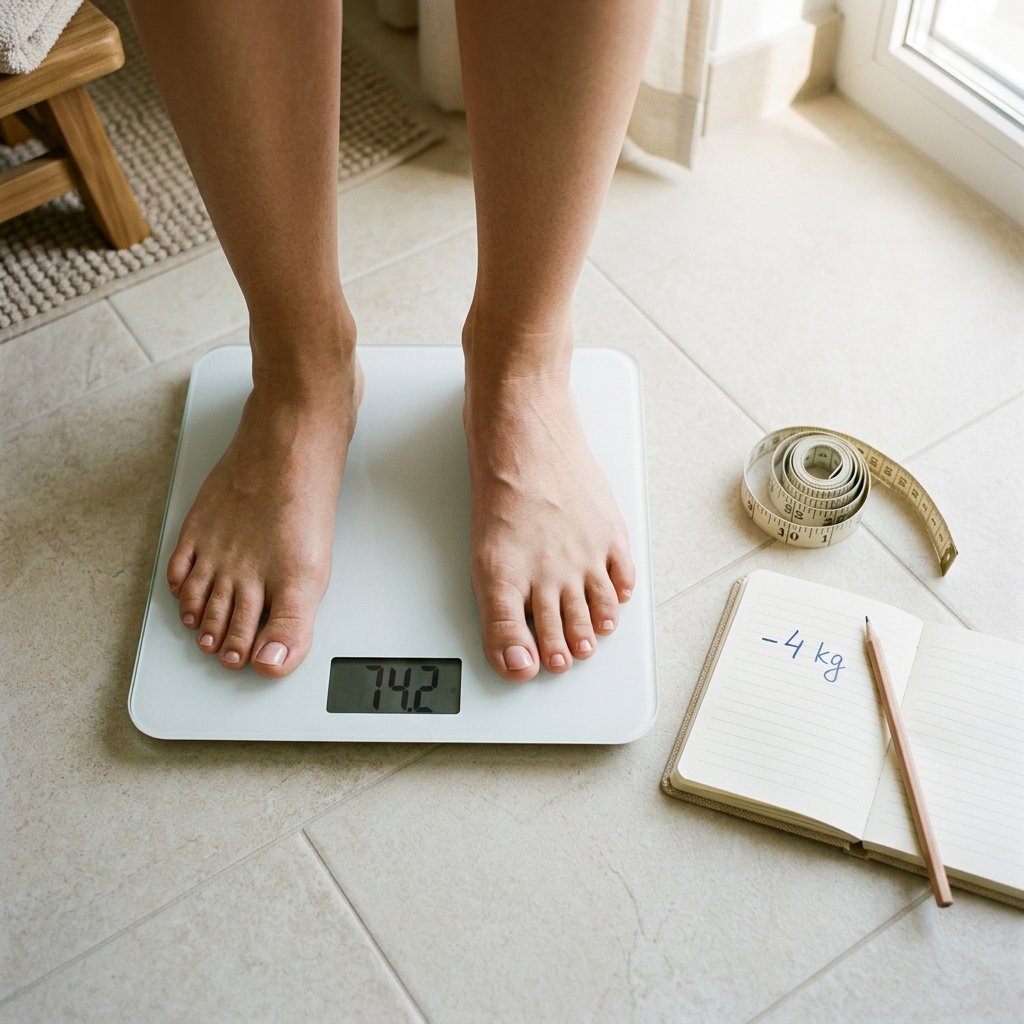
You will see plans promising 10 kg in a month. Here is why you should not believe them.
Losing 1 kg of fat needs a total calorie deficit of about 7,700 calories. To lose 10 kg in 30 days, you would need a deficit of about 2,500 calories every single day — that is more than most people eat in total. The only way to do it is to barely eat at all, which burns muscle as well as fat, makes you tired and ill, and ends with the weight coming straight back.
The safe pace that health experts recommend is 0.5 to 1 kg per week. Over 30 days, that is 2 to 4 kg. So 4 kg is the top end of what is realistic and safe — ambitious, but honest. For the full 4 kg, it means a daily deficit of about 1,000 calories. The food cuts in this plan give you about 400 to 500 of that, walking adds about 150 to 200, and the rest comes from the other habits — half the plate vegetables, protein at breakfast, and water before meals. That is why 4 kg is the ambitious top end: most beginners land at 2 to 3 kg, which is still a real, lasting result.
Four kilograms in 30 days also teaches you something a crash diet never does: how to eat normally and stay at your new weight. That is worth more than a big number on the scale.
The Deficit in Plain Words

Fat loss comes down to one idea: eat a little less energy than your body uses. The gap is called a calorie deficit. You do not need to count calories to create it — you only need to make your meals a little smaller and a little better, every day.
Think of it as the “one less” rule:
- One less sugary drink a day (a fizzy drink can hold about 140 calories)
- One less handful of rice or one less roti at dinner
- One less fried snack in the evening
- One less spoon of sugar in your tea
Each “one less” is small on its own. Together, they add up to roughly 400 to 500 fewer calories a day — about half a kilogram a week from food alone. Add the daily walk, about 150 to 200 calories, and you are near the pace for 2 to 3 kg in 30 days. You do not need a calculator. You need to notice the extras and cut one or two of them.
The 30-Day Plan: Fix One Meal a Week
Instead of changing everything at once, this plan fixes one meal each week. By the end of the month, every meal is a little better — and you never had to learn a whole new diet in one day.
| Week | Fix This Meal | What Changes |
|---|---|---|
| Week 1Days 1–7 | Drinks | Water instead of fizzy drinks and juice; one less spoon of sugar in tea; a glass of water before each meal |
| Week 2Days 8–14 | Breakfast | Add protein to breakfast (eggs, curd, or dal); eat slowly, sitting down, not standing in the kitchen |
| Week 3Days 15–21 | Lunch and dinner | Half the plate vegetables; one plate only, no second helping of rice or roti; a 20-minute walk after dinner |
| Week 4Days 22–30 | Snacks and evenings | No fried evening snacks; fruit or nuts instead; walk 30 minutes a day; weigh in and review the month |
Quick tip: if a week feels hard, stay on it for a few extra days before moving on. The plan is a guide, not a race — finishing slowly beats quitting fast.
Simple Food Rules for Beginners
You only need five rules. They are easy to remember, and together they create the deficit without any counting.
1. Eat slowly, sitting down

It takes about 20 minutes for your brain to register that you are full. If you eat fast, standing up, or in front of the TV, you finish a second helping before your body has had a chance to say stop. Sit down, put your spoon down between bites, and give yourself 20 minutes. Most people eat less without even trying.
2. One plate only

Serve your meal on one plate and do not go back for seconds. This one rule controls portions better than any measuring cup. If you are still hungry after 20 minutes, have vegetables or salad — not another full plate of rice or roti.
3. Protein at breakfast
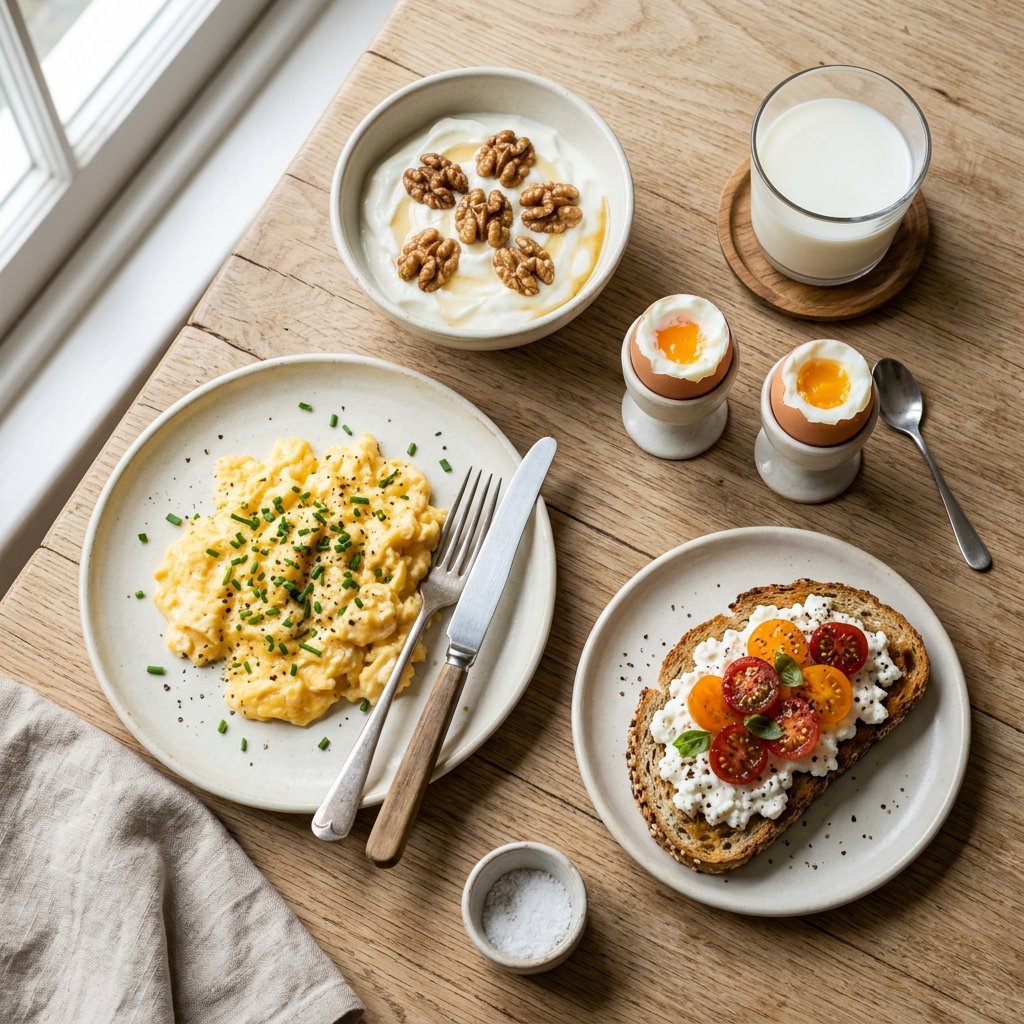
Breakfast sets the tone for the day. A breakfast with protein — eggs, curd, dal, or paneer — keeps you full until lunch. A breakfast of only tea and biscuits leaves you hungry by 10 in the morning, reaching for snacks. You do not need a big breakfast, just one with protein in it.
4. Half the plate vegetables

At lunch and dinner, fill half your plate with vegetables or salad first, then add your protein and carbs to the other half. Vegetables add volume without many calories, so the plate looks full and you feel full — on fewer calories. This works with any food you normally eat; nothing is banned.
5. Drink water, not sugar

Fizzy drinks, juice, and sweetened tea add calories without filling you up at all. A glass of water before a meal helps you eat a normal portion, and swapping one sugary drink a day for water can save about 140 calories on its own. Keep a bottle of water where you can see it.
Beginner Movement: Walking Is Enough

You do not need to exercise hard to lose 4 kg. Walking is enough — it is the only movement this plan asks for.
Start with a 20-minute walk a day in Week 1, ideally after dinner. By Week 4, build up to 30 minutes a day. That is all. Walking burns roughly 100 calories per mile, so a 30-minute walk burns about 150 to 200 calories — a useful part of your daily deficit, and it also improves your sleep and mood.
Do not start running, and do not join a gym in your first month. Hard exercise makes beginners hungry, sore, and likely to quit. Walking is gentle, free, and easy to keep doing after the 30 days are over. Once the weight is coming off and the habit is set, you can add more later if you want to.
Sleep: The Rule Beginners Forget

Sleep affects how much you eat. When you sleep less than 7 hours, your body produces more of the hormone that makes you feel hungry, and less of the one that makes you feel full. The next day you crave sweet and fried food, and your willpower is at its lowest.
Aim for 7 to 9 hours a night. Keep the same bedtime and wake time, even on weekends, and stop looking at your phone 30 minutes before bed. Good sleep does not burn fat directly — but it stops you from eating an extra 300 calories the next day, which is just as valuable.
What If the Scale Does Not Move?

Do not panic in the first week. Your weight can stay the same for days even when the plan is working, for three normal reasons.
First, water. When you eat less salt and fewer carbs, your body holds less water at first, then steadies. Your weight can jump up and down by a kilogram from one day to the next, just from water.
Second, timing. Fat loss is slow and steady — about 1 kg a week — so a single week may show only a small change. Weigh yourself once a week, on the same day, in the morning, after using the bathroom, in similar clothes. Daily weighing only causes stress.
Third, your clothes may change before the scale does. If your belt feels looser or your clothes fit better, the plan is working even if the number has not moved yet. Trust how you feel and how your clothes fit, not only the scale.
If after two full weeks nothing has changed at all — not your weight, not your clothes, not your energy — look for the extras: sugary drinks you forgot, second helpings, or late-night snacks. Fix one of those, and the scale usually starts moving.
FAQs
Why 4 kg and not 10 kg?
Because 4 kg is the top end of what is safe and realistic in 30 days. Losing 1 kg of fat needs a deficit of about 7,700 calories, so 10 kg in a month would need a daily deficit of about 2,500 calories — more than most people eat. That means barely eating, losing muscle, and gaining the weight straight back. Four kilograms, about 1 kg a week, is honest and lasting.
Do I have to count calories?
No. This plan uses the “one less” rule instead: one less sugary drink, one less handful of rice, one less fried snack. Those small cuts add up to roughly 400 to 500 fewer calories a day — about half a kilogram a week from food alone. With the daily walk, the plan reaches the pace for 2 to 3 kg in 30 days — without a calculator or an app.
Can I still eat rice and roti?
Yes. Nothing is banned in this plan. You control the portion instead: one fist-sized serving of rice, or one or two rotis per meal, with half the plate filled with vegetables. The foods to cut back on are sugary drinks, sweets, and fried snacks — not rice and roti.
Do I need to exercise every day?
No. This plan asks only for walking — 20 minutes a day to start, building to 30 minutes by Week 4. No gym, no running, no hard workouts. Walking burns about 100 calories per mile, improves your sleep and mood, and is easy enough to keep doing after the 30 days end.
What if I do not lose weight in the first week?
That is normal. Weight changes daily with water and food, so one week may show little change on the scale. Weigh yourself once a week, on the same day and time, and judge by two weeks, not one. If your clothes feel looser, the plan is working even if the number has not moved yet.
What should I do after 30 days?
Keep the habits that worked. Do not go back to old eating on day 31 — that is how weight returns. Keep the same five food rules and the daily walk, and set the next goal: another 4 kg, or holding your new weight for a month. Lasting weight loss is a habit, not a 30-day event.
Conclusion
Losing 4 kg in 30 days is simple, but only if the plan is simple enough to finish. Fix one meal a week. Eat slowly, one plate only, protein at breakfast, half the plate vegetables, and water instead of sugar. Walk 20 to 30 minutes a day and sleep 7 to 9 hours. Do that for 30 days and most beginners lose 2 to 3 kg — and you will know exactly how to keep it off. Four kilograms is the ambitious top end of this plan.
Start today, with the easiest change of all: swap one sugary drink for a glass of water. That is day 1. The rest builds from there, one meal at a time.
This article is general information, not medical advice. If you are pregnant, breastfeeding, have a medical condition such as diabetes or thyroid problems, take regular medication, or have a history of eating disorders, speak to a doctor before starting any weight-loss plan.
Related Guides
- How Heavy Is 80 Kilograms?
- How Heavy Is 120 Kilograms?
- How Heavy Is 60 Kilograms?
- How Heavy Is 70 Kilograms?

Hi, I’m Michael Carter, I write simple, everyday size guides so you can picture any measurement in seconds.