

Introduction
Yes, several phones beat the iPhone in 2027 when you judge them one need at a time. The Galaxy S26 Ultra zooms further, the OnePlus 15 charges faster with a bigger battery, and Samsung’s foldables open and fold in ways the standard iPhone 18 Pro Max cannot.
“Better” here means better for one need, not better for everyone: the longest-zoom phone is not the best budget phone, and a folding phone is not the lightest phone.
The baseline is the iPhone 18 Pro Max, Apple’s current flagship slab phone, announced September 9, 2026, and on sale September 18, 2026, from $1,299 in the US for 256GB. It has a 6.9-inch Super Retina XDR OLED display at 120Hz, the A20 Pro chip, and three 48MP rear cameras with 4x optical zoom. It measures 6.43 x 3.07 x 0.34 inches (163.4 x 78.0 x 8.75 mm), weighs 249 grams (8.78 ounces), and Apple rates its wired charging at about 50% in 15 minutes with a compatible 60W or higher AVS adapter. The smaller iPhone 18 Pro starts at $1,199, and Apple also sells the folding iPhone Duo, which arrived in October 2026 with a 7.6-inch inner display.
Prices below are US starting prices for the storage size named, before tax. Prices vary by seller and promotions, and several makers raised list prices during 2026, so check the live price.
10 iPhone Alternatives at a Glance
| Phone | Why it beats the iPhone for its need | US starting price | Display | Battery and charging | Size and weight |
|---|---|---|---|---|---|
| Samsung Galaxy S26 Ultra | 200MP camera, 5x zoom, S Pen | $1,299.99 (256GB, launch list; prices vary) | 6.9 in, 120Hz | 5,000mAh, 60W wired | 6.44 x 3.07 x 0.31 in; 214 g |
| Google Pixel 11 Pro XL | Computational photos, 120x zoom | $1,299 (256GB) | 6.8 in, 120Hz | 5,115mAh, 45W wired | 6.41 x 3.01 x 0.33 in; 226 g |
| OnePlus 15 | Huge battery, 120W charging | $899.99 (12GB/256GB, US store list) | 6.78 in, up to 165Hz | 7,300mAh, 120W wired | 6.35 x 3.02 x 0.32 in; 211 or 215 g |
| OnePlus 15R | Biggest battery here, lower price | $699.99 (12GB/256GB, launch) | 6.83 in, up to 165Hz | 7,400mAh, 55W wired (US) | 6.43 x 3.03 x 0.32 in; 213 or 219 g |
| Samsung Galaxy Z Fold8 | Folds open to a 7.6-inch screen | $1,899.99 (256GB, Samsung US) | 7.6 in main, 5.5 in cover | 4,800mAh, 45W wired | 201 g |
| Samsung Galaxy Z Flip8 | Folds small, light flip phone | $1,199.99 (256GB, launch) | 6.9 in main, 4.1 in cover | 4,300mAh, 25W wired | 6.57 x 2.97 x 0.24 in open; 180 g |
| Google Pixel 10a | Lowest price, 7 years of updates | $499 (128GB, launch) | 6.3 in, up to 120Hz | 5,100mAh | 6.06 x 2.87 x 0.35 in |
| Samsung Galaxy S26 FE | Big screen and 3x zoom for less | $699.99 (base model, launch) | 6.7 in, 120Hz | 4,900mAh, 45W wired | 6.36 x 3.03 x 0.29 in; 193 g |
| Google Pixel 11 Pro | Bright LTPO display, Pro cameras, compact | $1,099 (256GB) | 6.3 in, 1–120Hz | 4,850mAh, 30W wired | 6.01 x 2.83 x 0.33 in |
| Samsung Galaxy S26 | Light, fast, bright compact flagship | $899.99 (256GB, launch; list price later rose) | 6.3 in, 120Hz | 4,300mAh, 25W wired | 5.89 x 2.82 x 0.28 in; 167 g |
Best for Photos and Video

Both phones below offer 5x optical zoom, against 4x on the iPhone 18 Pro Max.
Samsung Galaxy S26 Ultra
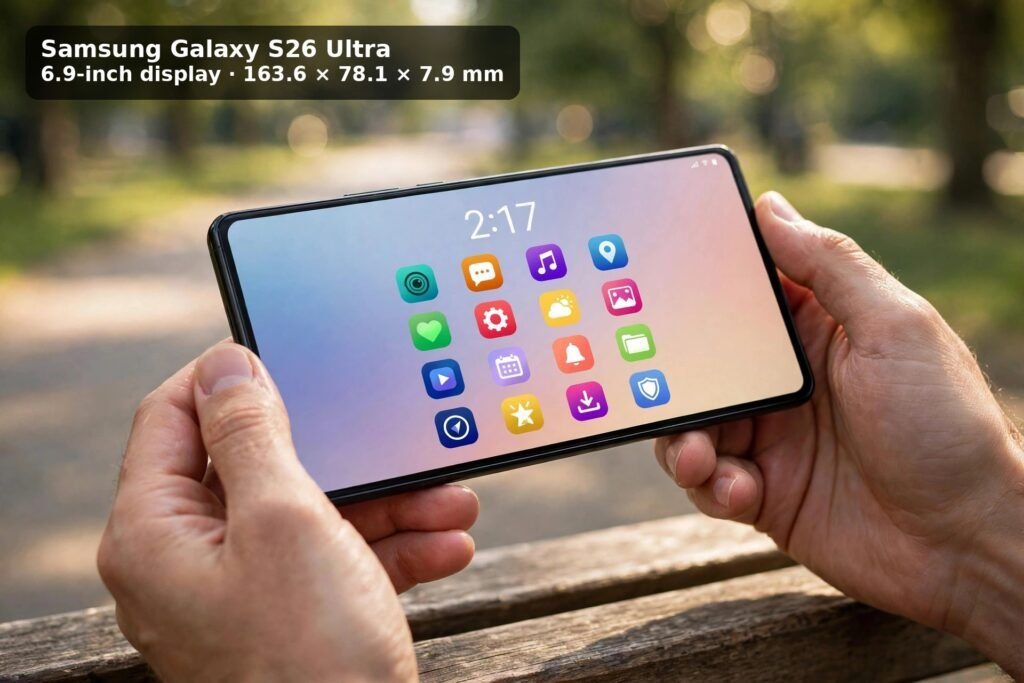
The camera-first alternative: a 200MP main camera, 50MP ultrawide, 50MP periscope telephoto with 5x optical zoom, and 10MP telephoto, plus a built-in S Pen, unique in this guide. The 6.9-inch Dynamic LTPO AMOLED 2X display runs at 120Hz with a 2,600-nit peak brightness, powered by the Snapdragon 8 Elite Gen 5 for Galaxy. The 5,000mAh battery supports 60W wired charging, rated at 75% in 30 minutes. At 6.44 x 3.07 x 0.31 inches (163.6 x 78.1 x 7.9 mm) and 214 grams (7.55 ounces), it is 35 grams lighter and 0.85 mm thinner than the iPhone baseline, and Samsung promises up to 7 major Android upgrades. It launched at $1,299.99 for 12GB/256GB; Samsung raised the US list price to $1,399.99 on October 1, 2026, with lower street prices reported.
Google Pixel 11 Pro XL
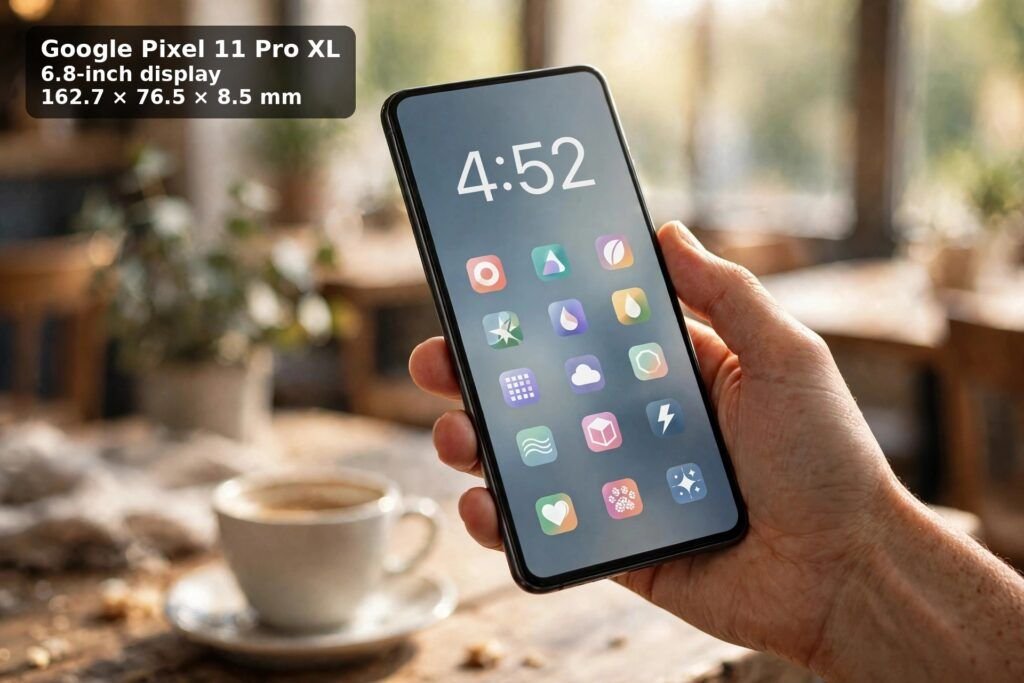
The Pixel 11 Pro XL wins on computational photography: Google’s software processing, low-light shooting, and 120x Pro Zoom reach far beyond the iPhone’s zoom range. Its cameras are a 50MP main, 48MP ultrawide, and 48MP periscope telephoto with 5x optical zoom, plus a 42MP front camera. The 6.8-inch LTPO OLED display runs at 120Hz and reaches up to 3,600 nits of peak brightness. It runs Android 17 with seven years of updates, on the Tensor G6 chip. The 5,115mAh typical battery supports 45W wired charging, rated at about 75% in 30 minutes, and 25W wireless charging. It measures 6.41 x 3.01 x 0.33 inches (162.7 x 76.5 x 8.5 mm) and weighs 226 grams (7.97 ounces), 23 grams lighter than the iPhone baseline. It costs $1,299 for 256GB and went on sale on August 20, 2026.
Best for Battery Life and Charging
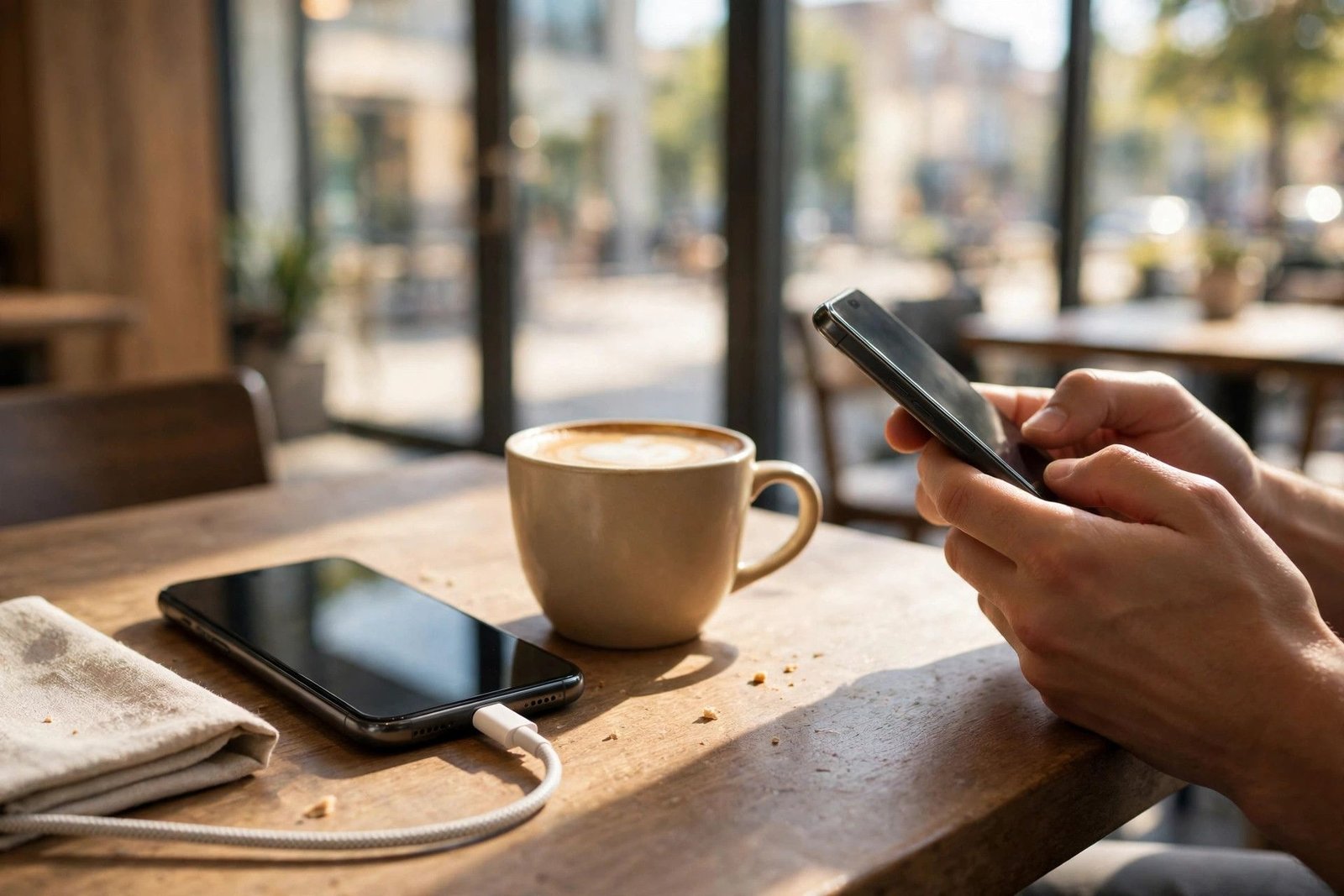
Battery capacity is a rated number, not a measured result — like a water bottle, a bigger one holds more, but how fast you drink decides when it runs dry.
OnePlus 15

The OnePlus 15 pairs the second-biggest battery in this guide with the fastest charging rating. Its 7,300mAh battery supports 120W wired charging, rated at 50% in 15 minutes and 100% in 40 minutes, plus 50W wireless charging. Those are maker ratings, not a promise for every charger. It is also a full flagship: a 6.78-inch LTPO AMOLED display with a refresh rate up to 165Hz, the Snapdragon 8 Elite Gen 5 chip, and three 50MP rear cameras with a 3.5x telephoto. It measures 6.35 x 3.02 x 0.32 inches (161.4 x 76.7 x 8.1 mm) and weighs 211 or 215 grams (7.44 or 7.58 ounces) depending on the finish. The US store listed it at $899.99 for 12GB/256GB, $399.01 less than the iPhone starting price. Note: OnePlus has scaled back direct US sales; check third-party sellers.
OnePlus 15R
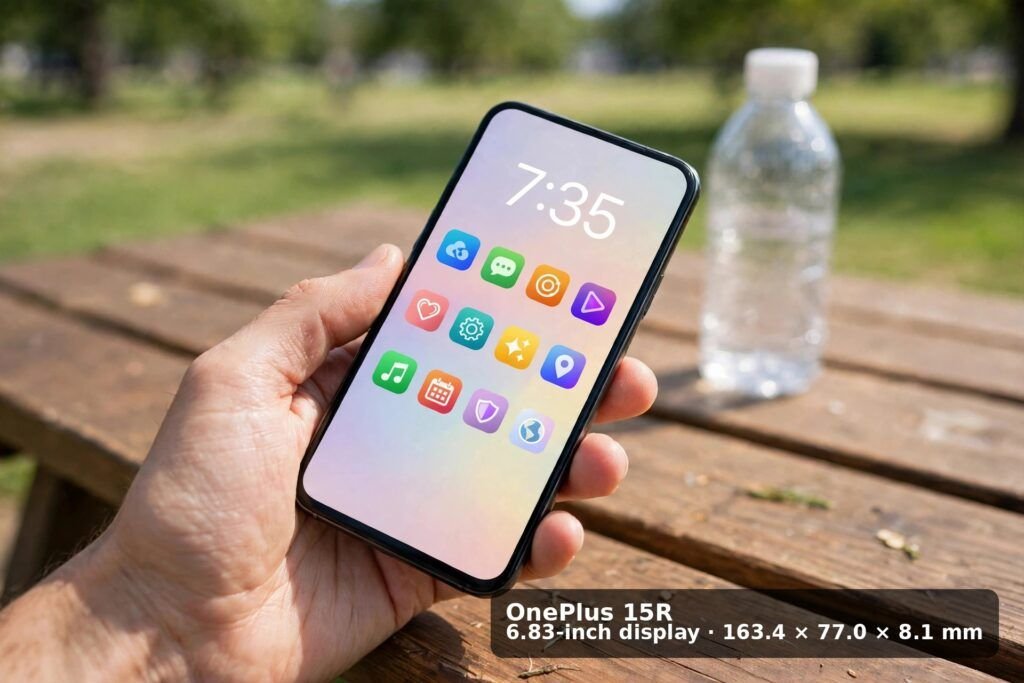
The OnePlus 15R has the biggest rated battery in this guide: 7,400mAh typical capacity (7,250mAh rated), 48% larger than the Galaxy S26 Ultra’s 5,000mAh rated capacity. Its US charging rating is 55W SUPERVOOC wired, with up to 80W when used with OnePlus’s named 100W Dual Ports GaN adapter. There is no wireless charging, the main convenience trade-off. The 6.83-inch AMOLED display refreshes at up to 165Hz, though OnePlus limits the 144Hz and 165Hz modes to listed apps. The Snapdragon 8 Gen 5 chip and 12GB of RAM keep it fast for games. It measures 6.43 x 3.03 x 0.32 inches (163.4 x 77.0 x 8.1 mm) and weighs 213 or 219 grams (7.51 or 7.72 ounces) depending on the version, with some versions 8.3 mm (0.33 inches) thick. It has no dedicated telephoto camera, so zoom photos are its weak point. It launched in the US at $699.99 for 12GB/256GB, with the same seller caution as the OnePlus 15.
Best Foldable Alternatives

Apple now has its own folding phone, the iPhone Duo, so Samsung’s edge is choice of shape and price, not folding alone. Both phones below were announced on July 22, 2026, and went on sale on August 7, 2026.
Samsung Galaxy Z Fold8
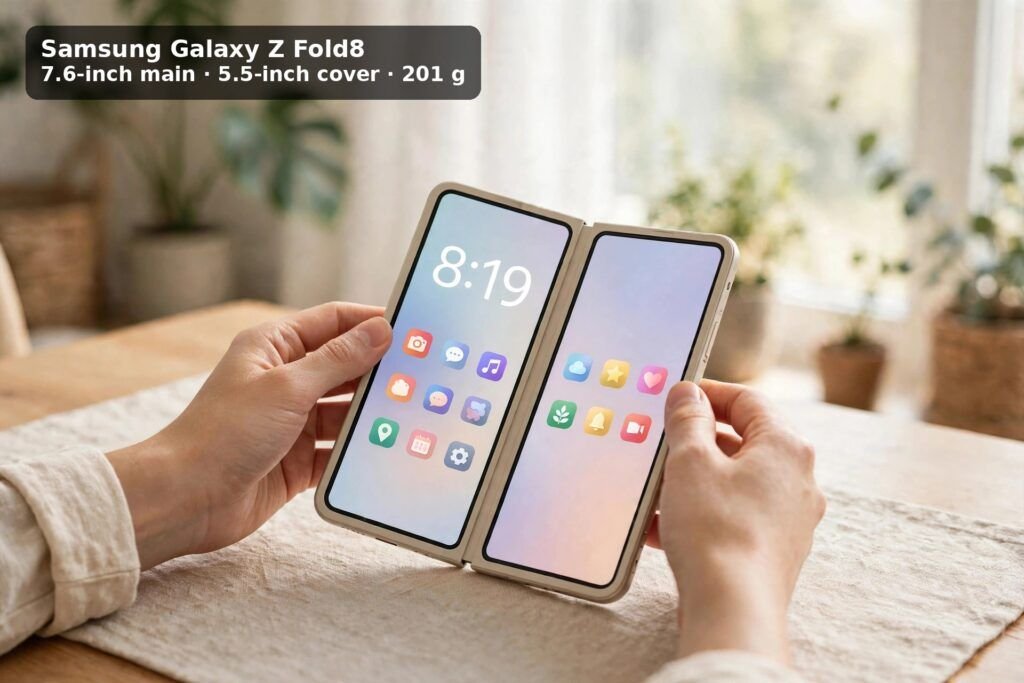
The Galaxy Z Fold8 opens to a 7.6-inch main display, close to a small paper notebook in your hands, while its 5.5-inch cover display handles calls and quick tasks when closed. Both screens run at 120Hz. It runs the Snapdragon 8 Elite Gen 5 for Galaxy chip with 12GB or 16GB of RAM, and Android 17 with One UI 9. Its cameras are two 50MP lenses, a wide and an ultrawide, with up to 10x digital zoom and no telephoto lens, the main camera trade-off against the slab flagships above. The 4,800mAh typical battery supports 45W wired and 20W wireless charging. It weighs 201 grams (7.09 ounces), 48 grams lighter than the iPhone baseline. Samsung’s US store lists it at $1,899.99 for 256GB, $600.99 more than the iPhone starting price, so buy it only if you will use the big screen.
Samsung Galaxy Z Flip8
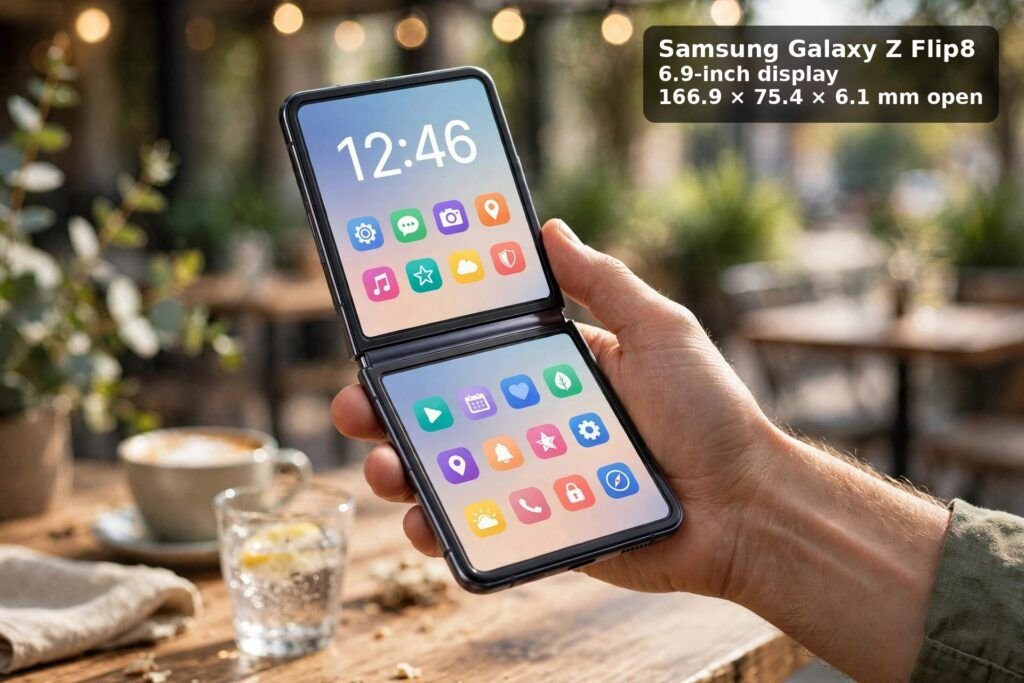
The Galaxy Z Flip8 folds in half, so it takes up far less pocket space than a slab phone. Folded, it is 13.1 mm (0.52 inches) thick and 85.7 mm (3.37 inches) tall, shorter than most TV remotes, and it shares a pocket easily with a wireless earbuds case. Open, it is a full 6.9-inch phone with a 4.1-inch cover screen for notifications and quick replies. It uses the Snapdragon 8 Elite Gen 5 for Galaxy chip in the US, with 12GB of RAM. Its cameras are a 50MP main and a 12MP ultrawide, with no telephoto lens. The 4,300mAh battery supports 25W wired charging (about 55% in 30 minutes, Samsung estimate) and 15W wireless charging. Open, it measures 6.57 x 2.97 x 0.24 inches (166.9 x 75.4 x 6.1 mm) and weighs 180 grams (6.35 ounces), 69 grams lighter than the iPhone baseline. It launched in the US at $1,199.99 for 256GB, $99.01 less than the iPhone starting price.
Best Value Alternatives That Cost Less

These two phones cost far less than the iPhone 18 Pro Max while keeping a bright smooth screen, a good main camera, a big battery, and years of updates.
Google Pixel 10a

The Pixel 10a is the cheapest phone in this guide by a wide margin. It launched in the US at $499 for 128GB, $800 less than the iPhone starting price. One October 2026 check found the Google Store listing it from $599, so treat $499 as the launch price and check the live price. You still get a 6.3-inch Actua pOLED display at up to 120Hz with up to 3,000 nits of peak brightness, a 48MP main camera with a 13MP ultrawide, a 5,100mAh battery, wireless charging, and seven years of OS, security, and Pixel Drop updates. It runs the Tensor G4 chip with 8GB of RAM and launched with Android 16. It measures 6.06 x 2.87 x 0.35 inches (153.9 x 73.0 x 9.0 mm). Trade-offs: no telephoto camera, an older chip, and slower charging.
Samsung Galaxy S26 FE

The Galaxy S26 FE is Samsung’s lower-cost way into the Galaxy S26 family. It launched in the US at $699.99 for the base model, $599.01 less than the iPhone starting price. It keeps a large 6.7-inch Dynamic AMOLED 2X display at 120Hz and a triple rear camera with a 50MP main, a 12MP ultrawide, and an 8MP telephoto with 3x optical zoom, which the Pixel 10a does not have. It runs Samsung’s Exynos 2500 chip with 8GB of RAM, and Android 17 with One UI 9. The 4,900mAh battery supports 45W wired and 15W wireless charging. It measures 6.36 x 3.03 x 0.29 inches (161.6 x 76.9 x 7.4 mm) and weighs 193 grams (6.81 ounces), 56 grams lighter than the iPhone baseline. It is IP68 rated. The trade-off is the chip: the Exynos 2500 is a step below the Snapdragon chip in the Galaxy S26 Ultra and the US Galaxy S26, though fine for most daily use.
Best for Display and Everyday Speed

These two compact flagships beat the iPhone on everyday feel: bright, smooth screens in bodies that are easier to hold and carry than the 249-gram iPhone 18 Pro Max.
Google Pixel 11 Pro
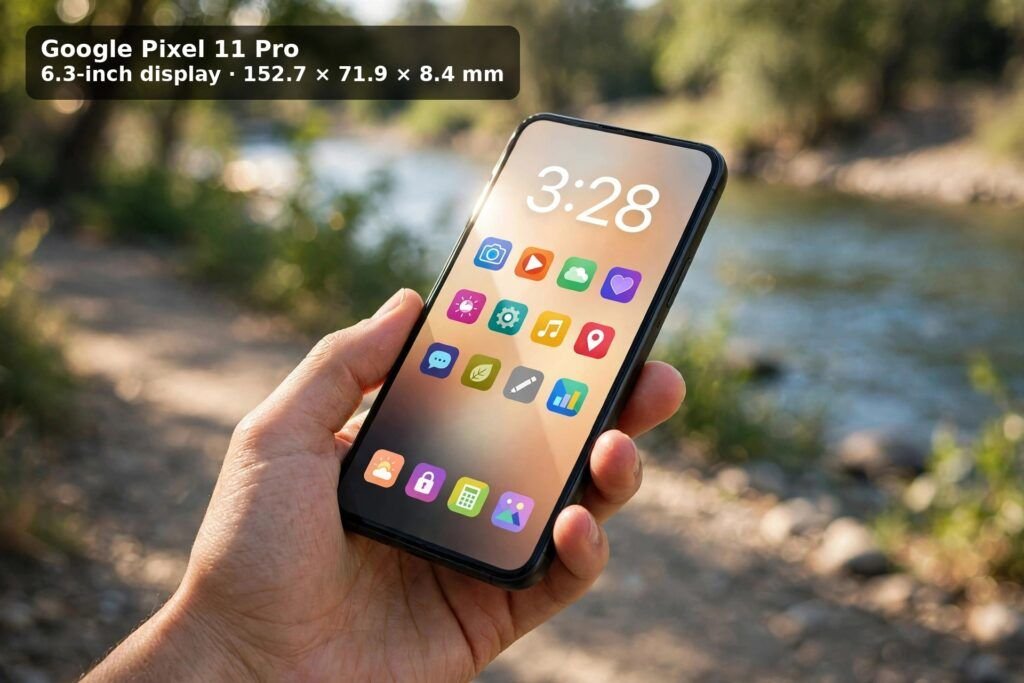
The Pixel 11 Pro gives you the same triple camera system as the larger Pixel 11 Pro XL, the same Tensor G6 chip, and the same 3,600-nit peak brightness, in a smaller body. Its 6.3-inch Super Actua LTPO OLED display scales from 1Hz to 120Hz, which saves power on still screens. The cameras are a 50MP main, a 48MP ultrawide, and a 48MP periscope telephoto with 5x optical zoom and 120x Pro Zoom. The 4,850mAh typical battery supports 30W wired charging, rated at about 55% in 30 minutes, and 25W wireless charging. It launched with Android 17 and seven years of OS, security, and Pixel Drop updates. It measures 6.01 x 2.83 x 0.33 inches (152.7 x 71.9 x 8.4 mm). It costs $1,099 in the US for 256GB, $200 less than the iPhone starting price.
Samsung Galaxy S26
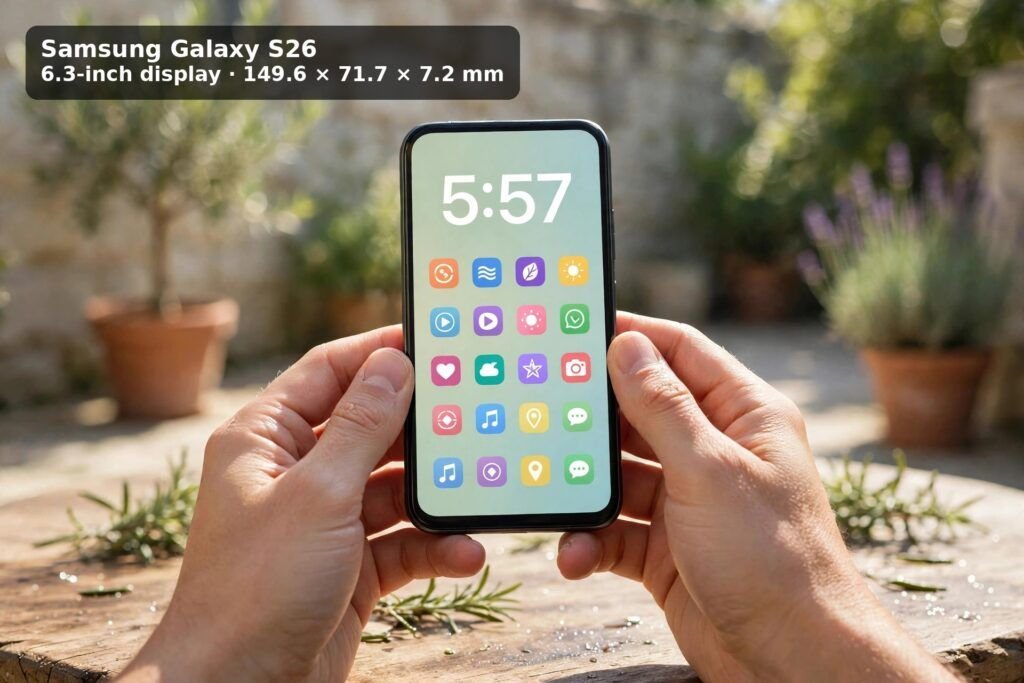
The Galaxy S26 is the lightest phone in this guide at 167 grams (5.89 ounces), 82 grams lighter than the iPhone baseline. It measures 5.89 x 2.82 x 0.28 inches (149.6 x 71.7 x 7.2 mm), the easiest here for one-handed use. Its 6.3-inch Dynamic LTPO AMOLED 2X display runs at 120Hz with a 2,600-nit peak brightness. US models run the Snapdragon 8 Elite Gen 5 for Galaxy chip with 12GB of RAM. The rear cameras are a 50MP main, a 10MP telephoto, and a 12MP ultrawide. The 4,300mAh battery supports 25W wired charging, the slowest charging here and its main weakness. It went on sale in the US at $899.99 for 256GB in March 2026, and Samsung raised the US list price to $999.99 on October 1, 2026, so check the live price.
How to Pick the Right iPhone Alternative for You

Start with the one need you care about most:
- Photos and zoom: Galaxy S26 Ultra or Pixel 11 Pro XL.
- Battery and charging: OnePlus 15R or OnePlus 15.
- Folding screens: Galaxy Z Fold8 or Galaxy Z Flip8.
- Lowest cost: Pixel 10a or Galaxy S26 FE.
- Display and comfort: Pixel 11 Pro or Galaxy S26.
Before you buy, confirm carrier support, SIM type, and the price for your storage size. Hold the phone in a store if you can: 167 grams vs 249 grams is easy to feel. And if you rely on iMessage, FaceTime, or AirDrop, switching costs real convenience even when Android wins on hardware.
FAQs
Which phone is the best overall alternative to the iPhone in 2027?
The Samsung Galaxy S26 Ultra, with a 200MP camera, 5x zoom, a 6.9-inch 120Hz display, an S Pen, and a 5,000mAh battery. It launched at $1,299.99 for 256GB. The Pixel 11 Pro XL at $1,299 is the closest rival if you prefer Google’s software.
Which iPhone alternative has the best camera?
For zoom reach, the Galaxy S26 Ultra leads with a 200MP main camera and a 50MP 5x periscope telephoto. For computational photos, the Pixel 11 Pro XL and Pixel 11 Pro reach 120x Pro Zoom with a 50MP main camera and a 48MP 5x telephoto. The iPhone 18 Pro Max has three 48MP cameras with 4x optical zoom.
Which phone has the best battery life and fastest charging?
On rated capacity, the OnePlus 15R leads with a 7,400mAh typical battery, followed by the OnePlus 15 at 7,300mAh. On charging ratings, the OnePlus 15 leads at 120W wired, rated at 50% in 15 minutes and 100% in 40 minutes. Rated capacity and maker claims are not measured all-day results.
Are foldable phones better than the iPhone?
They are better for screen size and pocket shape, not for everything. The Galaxy Z Fold8 opens to a 7.6-inch screen but costs $1,899.99 and has no telephoto camera. The Galaxy Z Flip8 folds small and weighs 180 grams but charges at only 25W. Apple also sells the folding iPhone Duo.
Can I get a good iPhone alternative for under $700?
Yes. The Google Pixel 10a launched at $499 for 128GB, and the Samsung Galaxy S26 FE launched at $699.99 for the base model. The OnePlus 15R also launched at $699.99 for 256GB with a 7,400mAh battery. All three prices are launch prices, so check the live price.
Conclusion
No single phone beats the iPhone 18 Pro Max at everything, but all 10 phones in this guide beat it at the need they were picked for: zoom and photos, battery and charging, folding screens, low cost, and display comfort. The Pixel 10a and Galaxy S26 FE cost $800 and $599.01 less than the iPhone’s $1,299 starting price, while the Galaxy S26 is 82 grams lighter.
Pick the need first, check the trade-off second, and confirm the live price. If Apple’s connected features run your daily life, staying with iPhone is a fair choice too.
Related Guides
- Samsung Galaxy S26 Ultra Dimensions: Guide (With Picture)
- iPhone Duo Dimensions: Size, Thickness, Weight & Screen
- Google Pixel 10 Pro Dimensions: Guide (With Pictures)

Hi, I’m Michael Carter, I write simple, everyday size guides so you can picture any measurement in seconds.