

Belly fat is the hardest fat to lose — and the one most people want gone first. The good news is that you can make real, visible progress in 30 days at home, without a gym, without starving yourself, and without buying any special product.
But first, one honest fact: you cannot burn belly fat only from your belly. No exercise or food targets fat from one single place. When you lose fat overall, your waist shrinks with it. So this plan does not promise “belly-only” fat loss. It gives you a simple 30-day routine that lowers your overall body fat — and that is how belly fat goes down.
A realistic result in 30 days is 2 to 4 kg of fat loss, plus a waist that measures 2 to 5 cm smaller. That is the safe pace health experts recommend: about 0.5 to 1 kg per week. Anything promising 10 kg in a month is selling a crash diet, and the weight almost always comes back.
Can You Really Lose Belly Fat in 30 Days?
Yes — if you mean real, lasting progress. In 30 days you can:
- Lose 2 to 4 kg of body fat
- Lose 2 to 5 cm from your waist
- Feel lighter, sleep better, and have more energy
- Build habits that keep the weight off after day 30
What you cannot do in 30 days is change your whole body or reach a flat stomach from a high starting weight. That takes more time. But 30 days is enough to see a clear change in the mirror and on the measuring tape — and that change is what keeps most people going.
Why Belly Fat Is So Stubborn
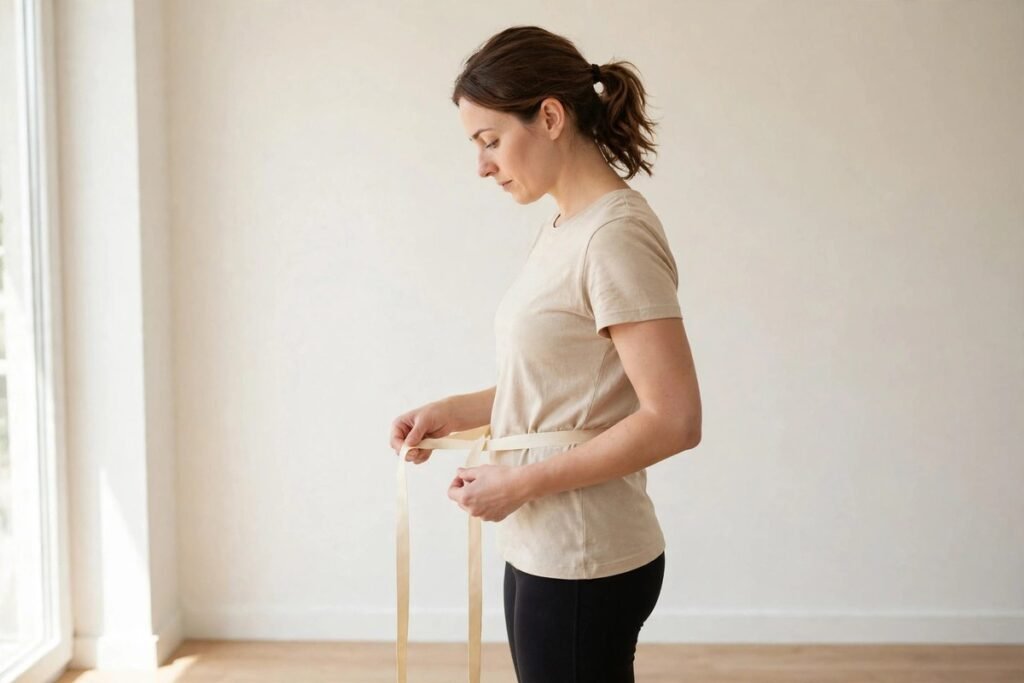
Belly fat is not just about eating too much. Four things make it stick around:
Too much sugar and liquid calories. Fizzy drinks, juice, sweetened tea and coffee, and alcohol add hundreds of calories without making you full. Sugar also pushes fat storage toward the belly.
Too little protein. Without enough protein at each meal, you feel hungry sooner and eat more later. Protein also protects your muscle while you lose fat.
Too little movement. Sitting most of the day burns very few calories. You do not need hard workouts — but you do need to move more than you do now.
Poor sleep and stress. Sleeping less than 7 hours raises hunger hormones and cravings. Stress raises cortisol, a hormone linked to belly fat storage. This is why diet alone often fails.
The 30-day plan below fixes all four, one week at a time.
The 30-Day Plan at a Glance
| Week | Focus | Daily Actions |
|---|---|---|
| Week 1 Days 1–7 |
Fix the basics | Drink water before meals, cut out fizzy drinks, walk 20 minutes a day, sleep 7 hours |
| Week 2 Days 8–14 |
Add protein | Protein at every meal, half the plate vegetables, walk 30 minutes a day |
| Week 3 Days 15–21 |
Add movement | Walk 40 minutes or 8,000–10,000 steps, 3 short home strength sessions a week |
| Week 4 Days 22–30 |
Review and lock it in | Measure your waist again, keep what worked, fix one weak spot, plan the next 30 days |
What to Eat to Lose Belly Fat

You do not need a special diet. You need a small, steady calorie deficit — eating roughly 400 to 500 calories less per day than your body uses. These four food rules do most of the work.
Eat Protein at Every Meal
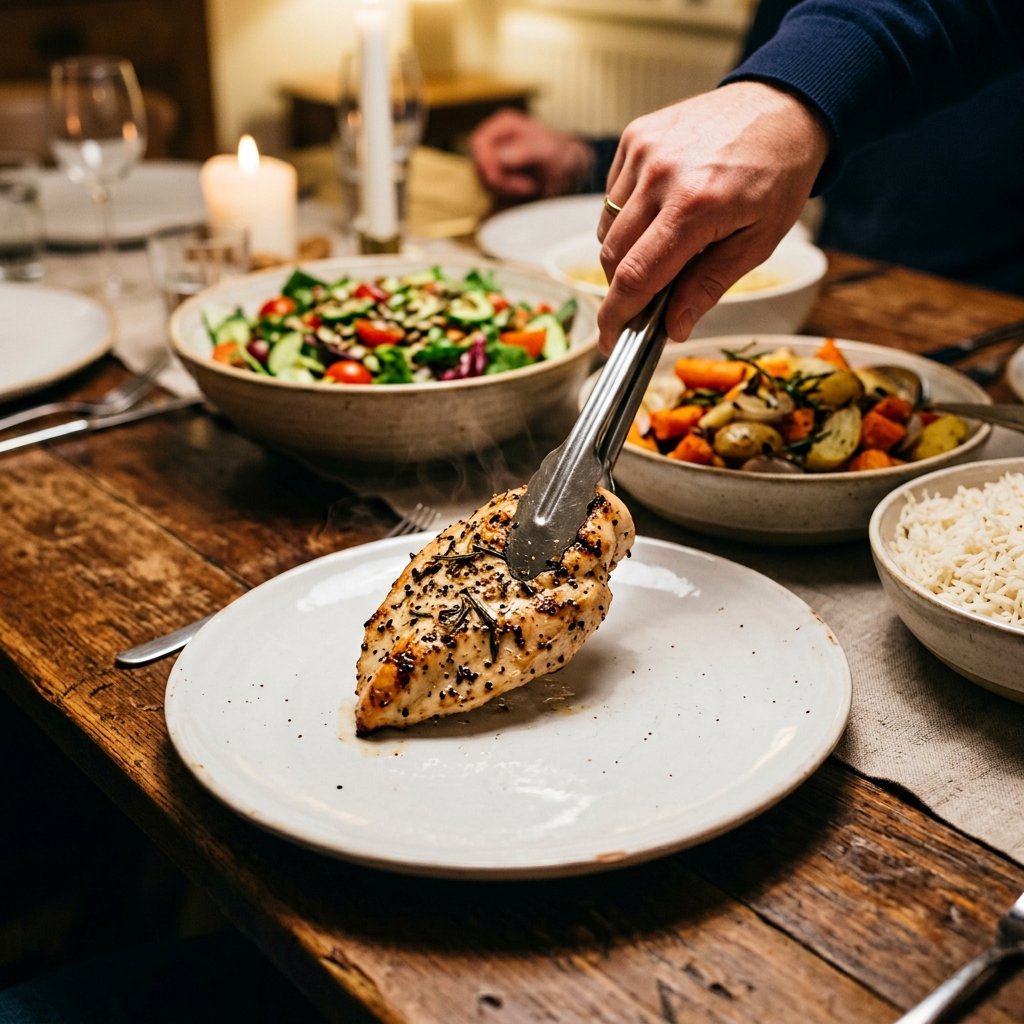
Protein keeps you full for hours and protects your muscle while you lose fat. Add one protein source to every meal: eggs, chicken, fish, dal, curd, paneer, chana, or soya chunks. Aim for a palm-sized portion each time.
Fill Half Your Plate with Vegetables

Vegetables add volume without many calories, so you feel full on fewer calories. Build your plate the same way every time: half vegetables, a quarter protein, a quarter carbs like rice, roti, or oats.
Stop Drinking Your Calories

This is the fastest win. One fizzy drink can hold 140 calories or more, and juice is not much better. Swap them for water or unsweetened tea. Drink a large glass of water 30 minutes before lunch and dinner — it helps you eat less without trying.
Cut Sugar and Refined Carbs
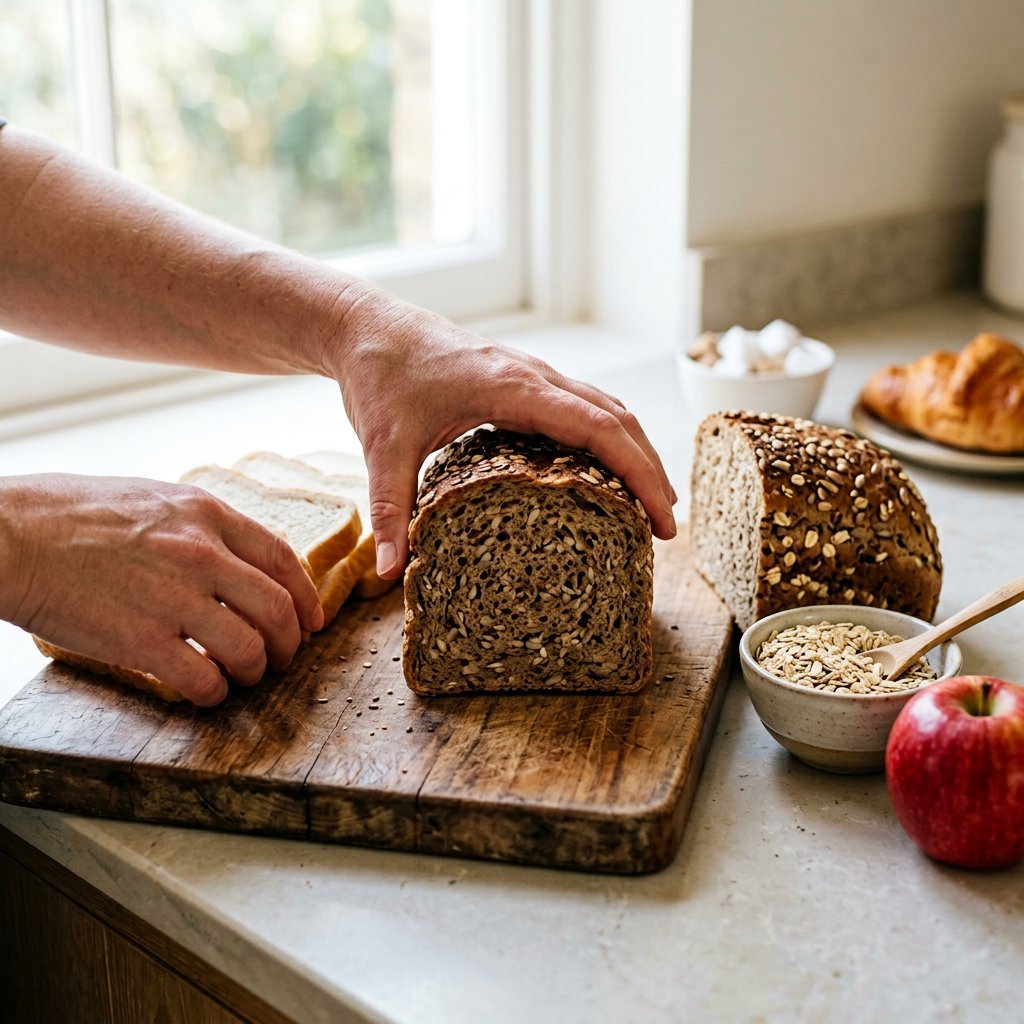
You do not have to quit carbs. Just cut the worst ones for 30 days: sweets, cakes, biscuits, white bread, and fast food. Keep whole carbs like oats, brown rice, and whole wheat roti, but watch the portion — one fist-sized serving is enough.
Movement at Home — No Gym Needed

Exercise helps, but it does not have to be hard or long. For belly fat, daily movement matters more than one heavy workout a week.
Walk Every Day

Walking is the most underrated fat-loss tool. Start with 20 minutes a day in Week 1 and build to 40 minutes or 8,000 to 10,000 steps by Week 3. Walk after meals when you can — even 10 minutes after eating helps control blood sugar.
Add 3 Short Strength Sessions a Week
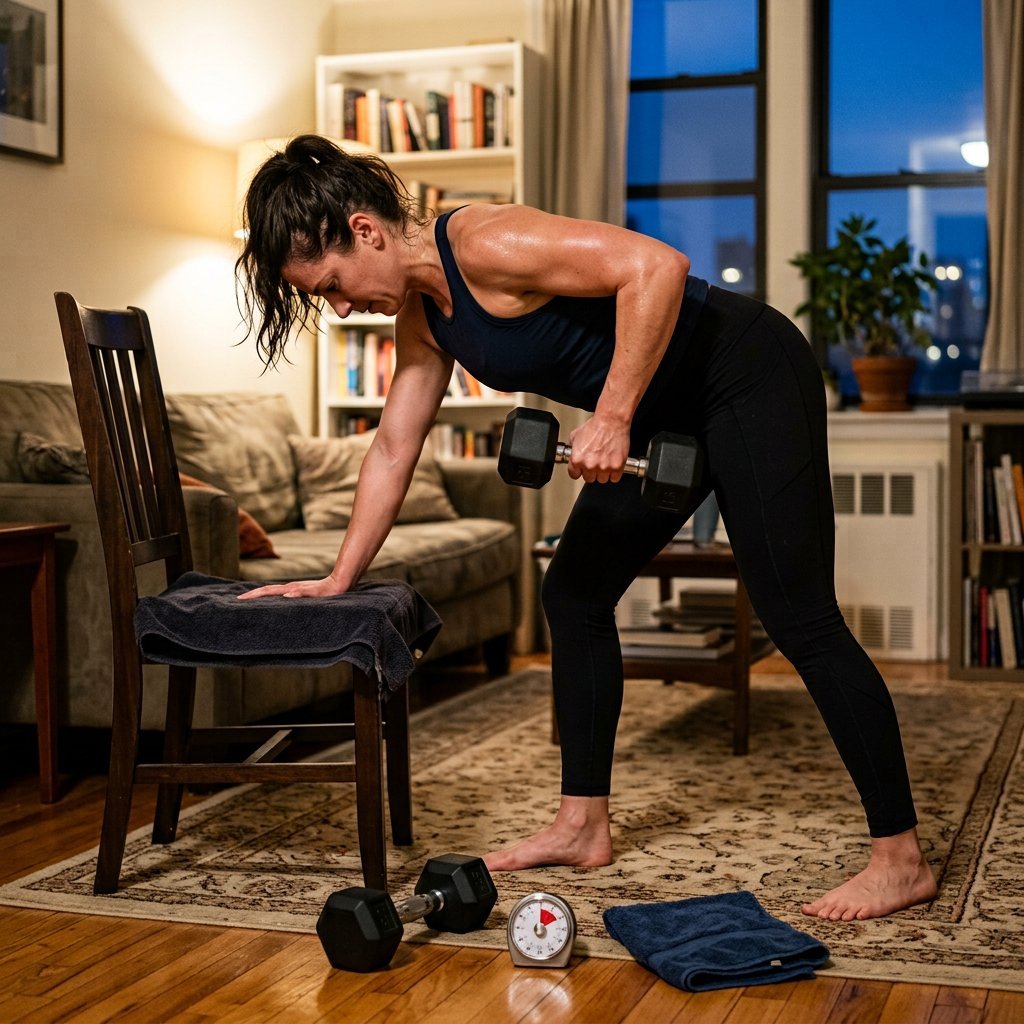
Strength training protects your muscle, and muscle burns calories even at rest. You need no equipment: 15 minutes, 3 times a week, is enough. A simple routine is squats, wall push-ups, lunges, and a plank. Do each for 30 seconds, rest, and repeat 3 times.
Move More in Normal Life

Take the stairs, stand while on the phone, do housework with energy. These small movements add up to hundreds of extra calories burned over a month.
Sleep and Stress Matter More Than You Think

Poor sleep is one of the biggest hidden causes of belly fat. Sleeping less than 7 hours raises ghrelin, the hunger hormone, and lowers leptin, the fullness hormone. The result: you crave sweet and fried food the next day, and your body stores more fat around the waist.
Aim for 7 to 9 hours every night. Keep the same sleep and wake time, stop screens 30 minutes before bed, and keep your room dark and cool.
Stress works the same way. When you are stressed, cortisol rises, and high cortisol is linked to belly fat storage. You cannot remove all stress in 30 days, but a 10-minute walk, deep breathing, or simply writing down tomorrow’s tasks before bed can lower it enough to matter.
What to Avoid
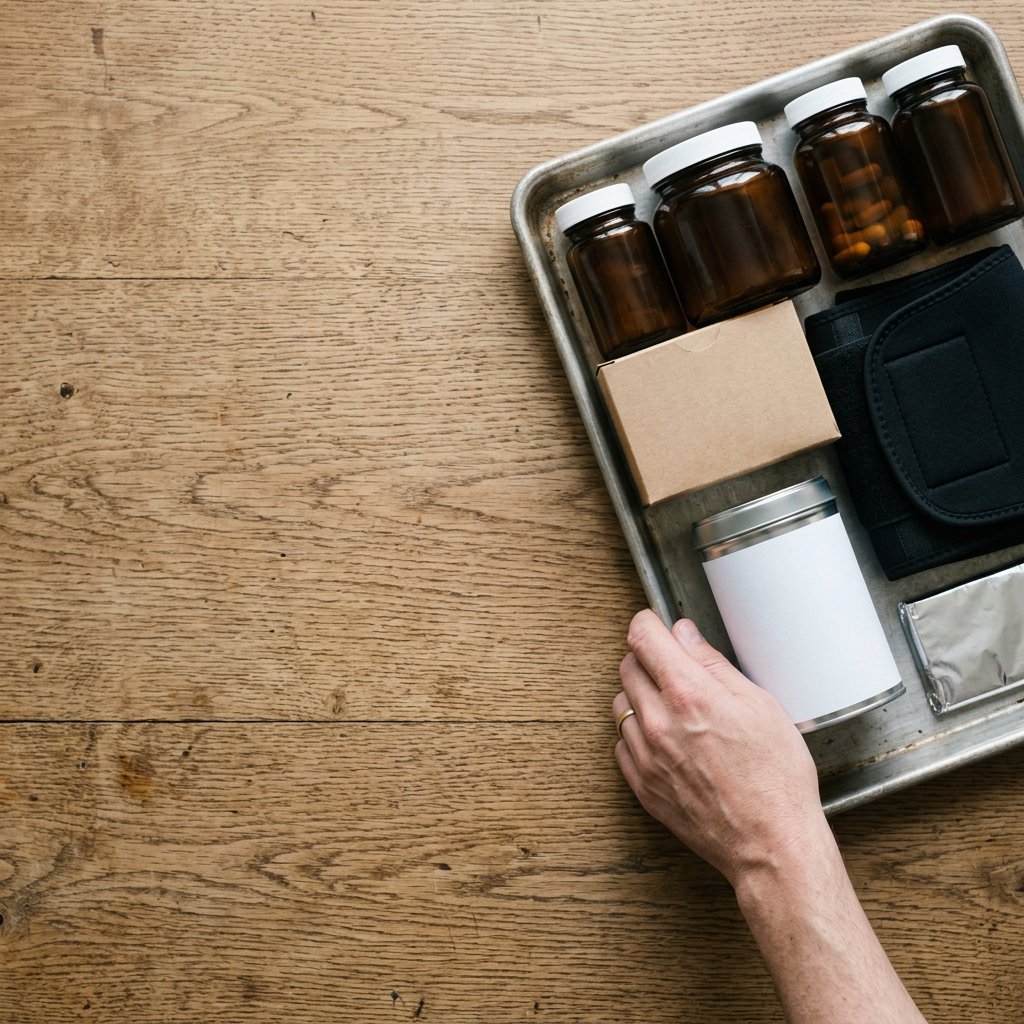
Crash diets. Eating almost nothing for 30 days will drop the scale fast — mostly water and muscle, not fat. When you eat normally again, the weight returns, often with extra belly fat. A 400 to 500 calorie deficit is enough.
“Belly fat burner” pills, teas, and creams. No pill, tea, or cream burns belly fat. If it worked, doctors would prescribe it. Save your money.
Spot-reduction exercises. Hundreds of crunches a day will strengthen your stomach muscles, but they will not burn the fat covering them. Fat loss comes from the overall deficit, not from one exercise.
Alcohol. Alcohol pauses fat burning while your body deals with it, adds empty calories, and worsens sleep. Cutting it out for 30 days alone can shrink your waist noticeably.
How to Track Your Progress
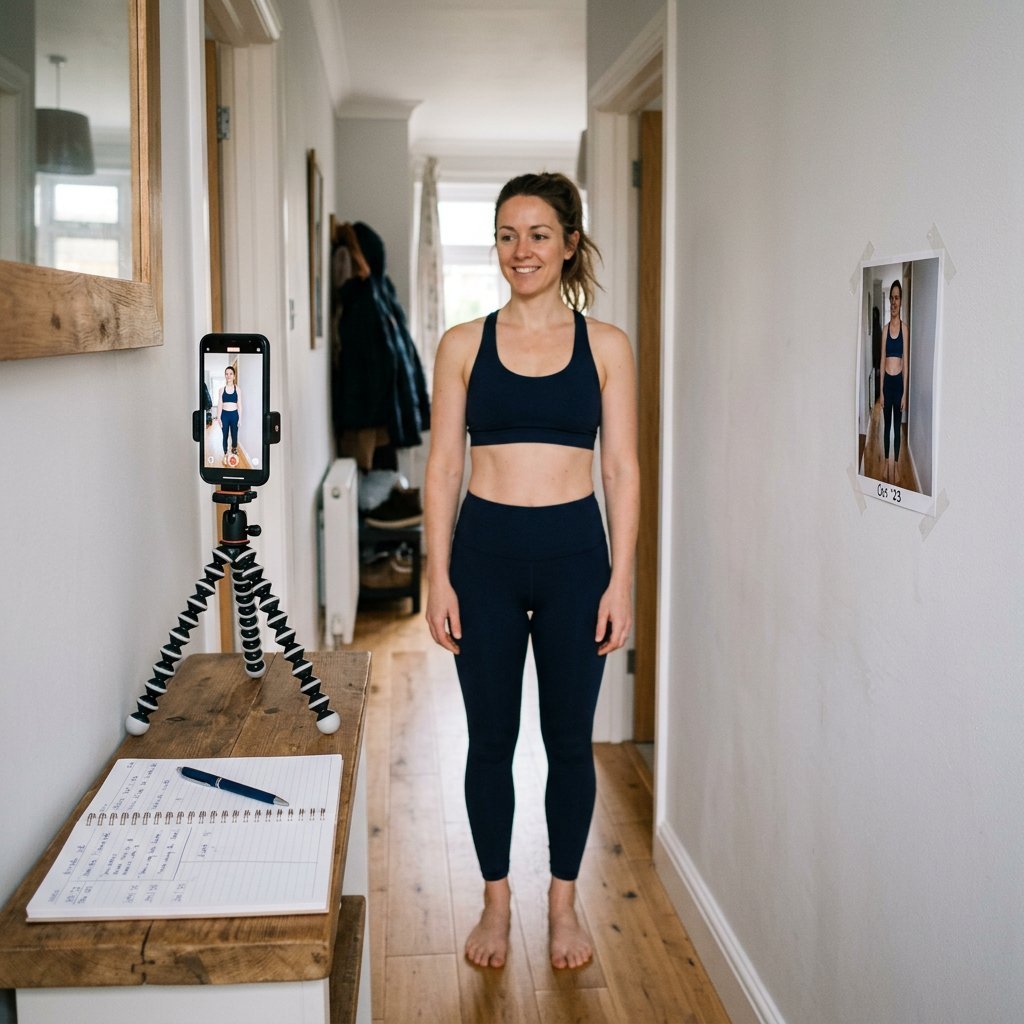
The scale alone can mislead you, because weight changes daily with water and food. Track three things instead:
Waist measurement. Measure around your belly button once a week, same day, same time, before eating. This is the number that matters most for belly fat.
Weekly weigh-in. Weigh yourself once a week, in the morning, after using the bathroom, in similar clothes. Daily weighing only causes stress.
Photos and clothes. Take a front and side photo on day 1 and day 30, in the same clothes and light. How your clothes fit often changes before the scale does.
If your waist is shrinking but your weight is steady, the plan is working — you are likely losing fat and keeping muscle.
FAQs
How much belly fat can I lose in 30 days?
Most people lose 2 to 4 kg of body fat and 2 to 5 cm from the waist in 30 days with a steady plan. The exact number depends on your starting weight, food, movement, and sleep. The first week often shows the biggest drop, mostly water.
Can I lose belly fat without exercise?
Yes, food alone can create the calorie deficit that drives fat loss. But walking and a little strength training make it faster, protect your muscle, and improve your sleep and mood. Even 20 to 30 minutes of walking a day makes a real difference.
Do I need to quit rice or roti?
No. You need to control the portion, not quit carbs completely. One fist-sized serving of rice or one or two rotis per meal is fine. The bigger problem is usually sugar, fizzy drinks, and fried snacks — not rice or roti.
Is walking enough, or do I need to run?
Walking is enough to start. Running burns more calories per minute, but it is harder on the knees and harder to keep up daily. A brisk 40-minute walk every day beats a run you quit after one week.
Why is my weight not dropping but my waist is smaller?
That usually means you are losing fat and keeping (or building) muscle at the same time. Muscle is denser than fat, so the scale can stay still while your waist shrinks. Trust the measuring tape more than the scale.
What should I do after 30 days?
Keep doing what worked. Do not go back to old habits on day 31 — that is how weight returns. Keep the same food rules and daily walk, and set the next goal: another 30 days, or keeping your new waist size for a month. Lasting fat loss is a habit, not a 30-day event.
Conclusion
Losing belly fat in 30 days at home is realistic — if you aim for real fat loss, not a miracle. Eat a little less than you burn, add protein to every meal, stop drinking your calories, walk every day, and sleep 7 to 9 hours. Do that for 30 days and your waist will be smaller, your energy higher, and your habits stronger.
Start today, not Monday. Week 1 asks for only three small changes: water before meals, no fizzy drinks, and a 20-minute walk. That is all. The rest builds on it, one week at a time.
This article is general information, not medical advice. If you are pregnant, breastfeeding, have a medical condition such as diabetes or thyroid problems, take regular medication, or have a history of eating disorders, speak to a doctor before starting any weight-loss plan.
Related Guides
- How Heavy Is 80 Kilograms?
- How Heavy Is 120 Kilograms?
- How Heavy Is 60 Kilograms?
- How Heavy Is 70 Kilograms?

Hi, I’m Michael Carter, I write simple, everyday size guides so you can picture any measurement in seconds.