
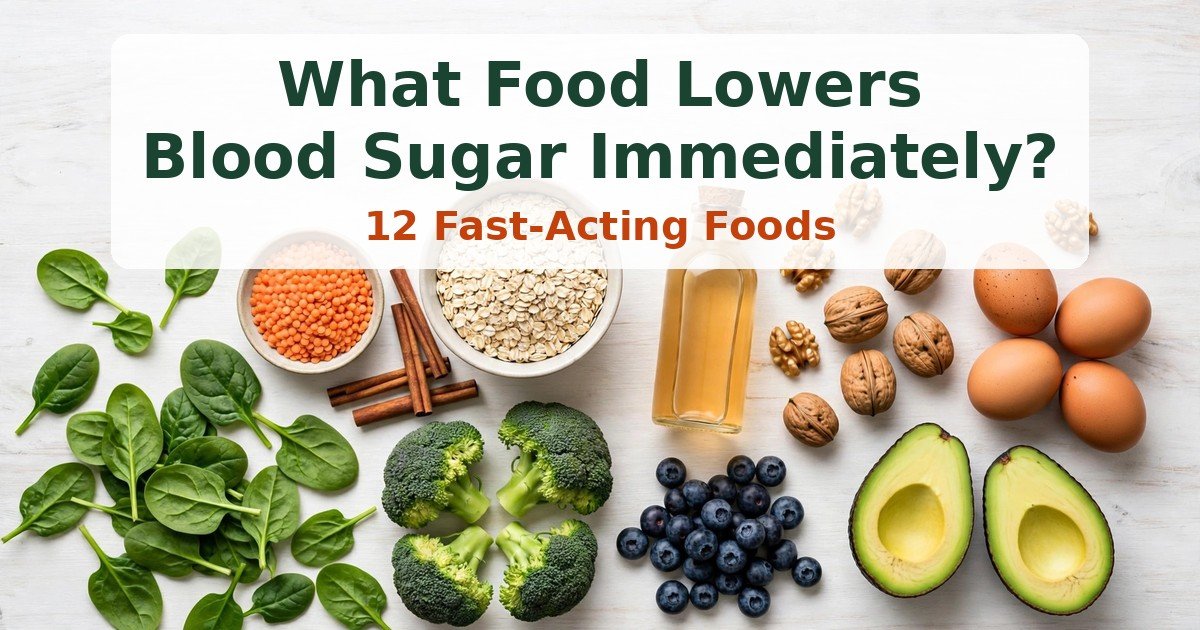
If you are asking what food lowers blood sugar immediately, here is the honest answer: no food drops blood sugar the way medicine does. But some foods raise blood sugar very slowly, or help your body handle a meal better, so your blood sugar stays steadier after you eat. The 12 foods in this guide all score low on the glycemic index.
Quick answer: No food lowers blood sugar instantly. The fastest help comes from low-glycemic foods that digest slowly: spinach (GI 15), broccoli (GI 10), walnuts (GI 15), and lentils (GI 32) raise blood sugar gently, while diluted vinegar before a starchy meal modestly blunts the spike.
The Honest Truth: No Food Works Like Medicine
The word “immediately” needs care. Diabetes medicines such as insulin are made to lower blood sugar directly, and they can work within minutes. Food does not work that way. A low-glycemic food does not pull sugar out of your blood. It simply adds very little new sugar, and it digests slowly, so the rise after eating is smaller and gentler.
That is still real help. Blood sugar problems often come from sharp spikes after meals. A meal built around low-glycemic foods gives your body a slower, flatter curve instead of a sharp peak.
Two foods in this list — cinnamon and apple cider vinegar — have been studied for a small extra effect. Small trials found that vinegar taken before a starchy meal modestly reduced the post-meal spike, and pooled trials found cinnamon modestly lowered fasting blood sugar. The effects are small, and neither one replaces medicine.
General information note: This article is general nutrition information, not medical advice. If you have diabetes or take blood sugar medicine, talk to your doctor or a dietitian before changing what you eat. Never stop or change your medicine because of something you read about food. If your blood sugar is very high or you feel unwell, get medical help right away.
What the Glycemic Index Means
The glycemic index (GI) ranks carbohydrate foods on a scale from 0 to 100, based on how fast they raise blood sugar compared with pure glucose, which scores 100. The usual bands are:
- Low GI: 55 or less — slow, gentle rise
- Medium GI: 56 to 69 — moderate rise
- High GI: 70 or more — fast spike
GI values can vary with variety, ripeness, cooking, and what else is in the meal, so treat the numbers in this guide as typical published values. Foods with almost no carbohydrate, such as eggs, have a GI of 0 or no measurable GI at all.
For reference, the CDC and the American Diabetes Association describe normal blood sugar for adults without diabetes as below 100 mg/dL (5.6 mmol/L) after fasting, and below 140 mg/dL (7.8 mmol/L) two hours after eating.
The 12 Foods at a Glance
| Food | Glycemic Index | Why It Helps |
|---|---|---|
| Spinach | 15 | Almost no carbs; adds bulk and fiber to any meal |
| Broccoli | 10 | Very low GI; fiber slows digestion |
| Blueberries | 53 | Low-GI fruit; fiber and antioxidants |
| Avocado | About 15 (estimate) | Only about 2 g net carbs per 100 g; healthy fats slow digestion |
| Eggs | 0 | No carbs; protein steadies the meal |
| Greek Yogurt (plain) | Low (11–35 in published tests) | High protein, low sugar when unsweetened |
| Walnuts | 15 | Healthy fats and fiber; very few carbs |
| Chia Seeds | Very low (not meaningfully measured) | About 10 g fiber per ounce; only about 2 g net carbs |
| Steel-Cut Oats | 52 | Slow-digesting whole grain; beta-glucan fiber |
| Lentils | 32 | High fiber and protein; one of the lowest-GI starchy foods |
| Cinnamon | None (negligible carbs) | Studied for modest fasting-glucose support |
| Apple Cider Vinegar | None (no carbs) | Studied for blunting post-meal spikes when diluted in water |
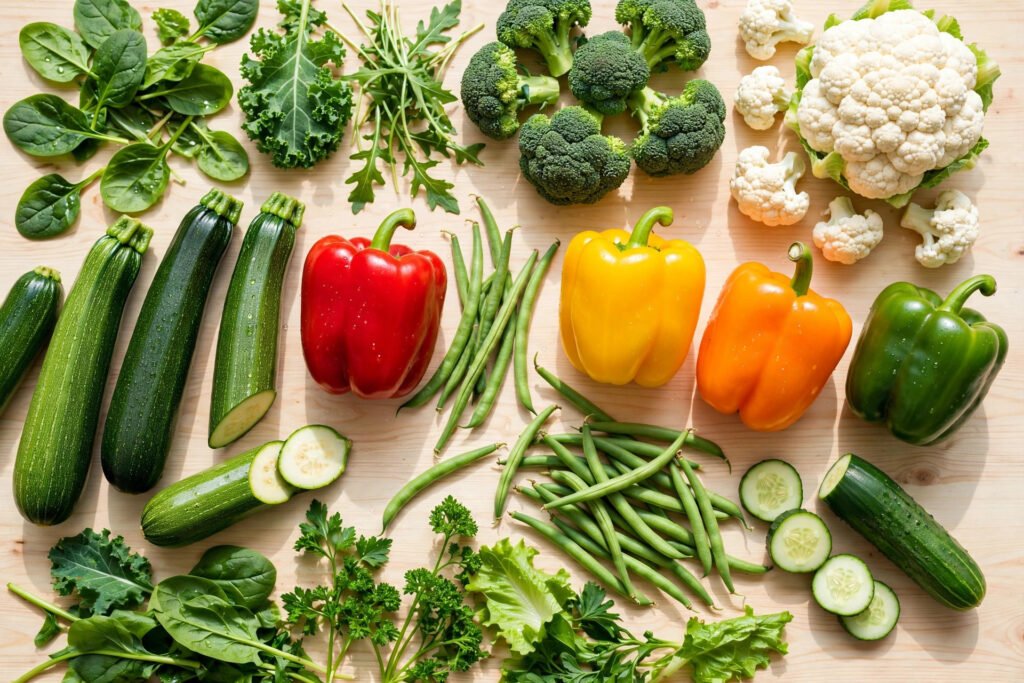
Vegetables That Barely Move Blood Sugar
1. Spinach
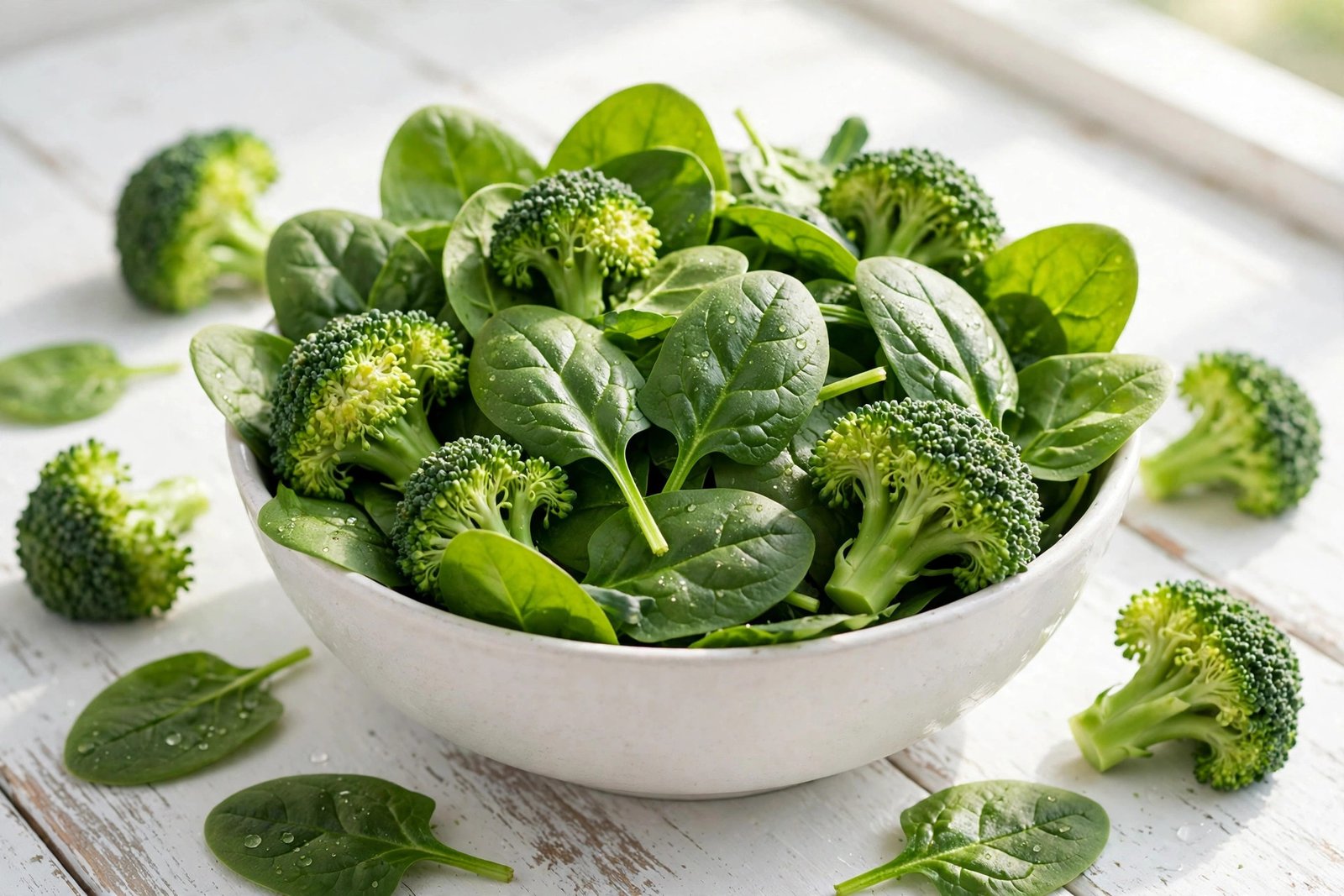
Spinach has a glycemic index of 15 and almost no digestible carbohydrate, so it has virtually no effect on blood sugar. A large handful of leaves adds fiber, water, and volume to a meal, which helps you feel full without adding sugar.
How to eat it: add a big handful to eggs, blend it into a smoothie, or use it as the base of a salad. Because it wilts down to almost nothing when cooked, start with much more than you think you need.
2. Broccoli
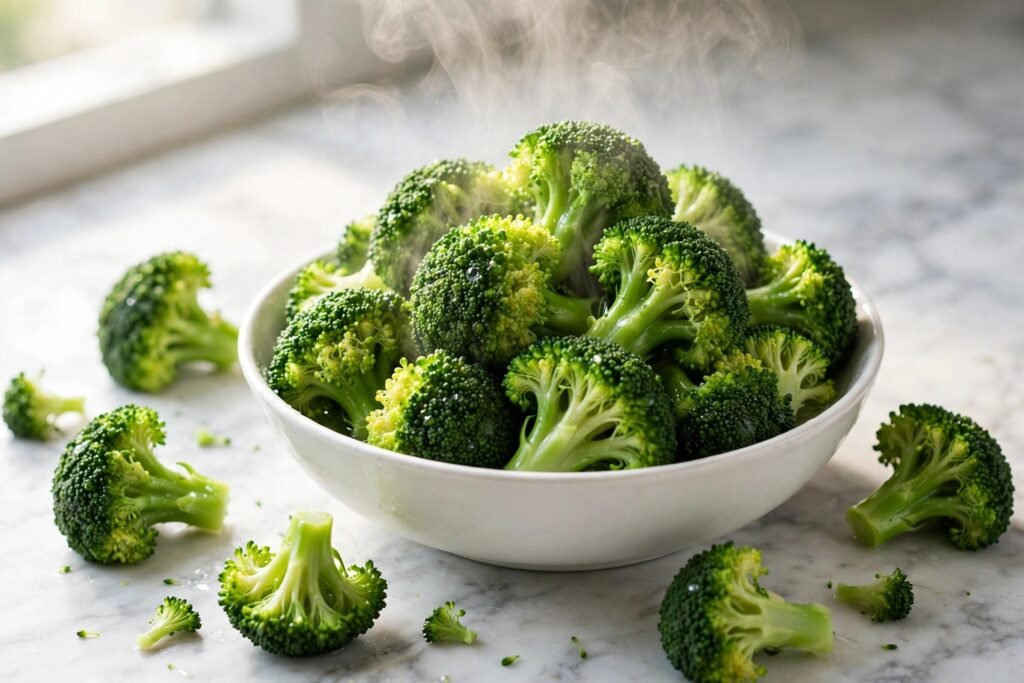
Broccoli has a glycemic index of 10, one of the lowest values of any food on this list. Its fiber slows digestion, and like all non-starchy vegetables, it adds very little glucose to your blood.
How to eat it: steam or roast broccoli and serve it as half your plate next to protein.
Fruits That Help Steady Blood Sugar
3. Blueberries
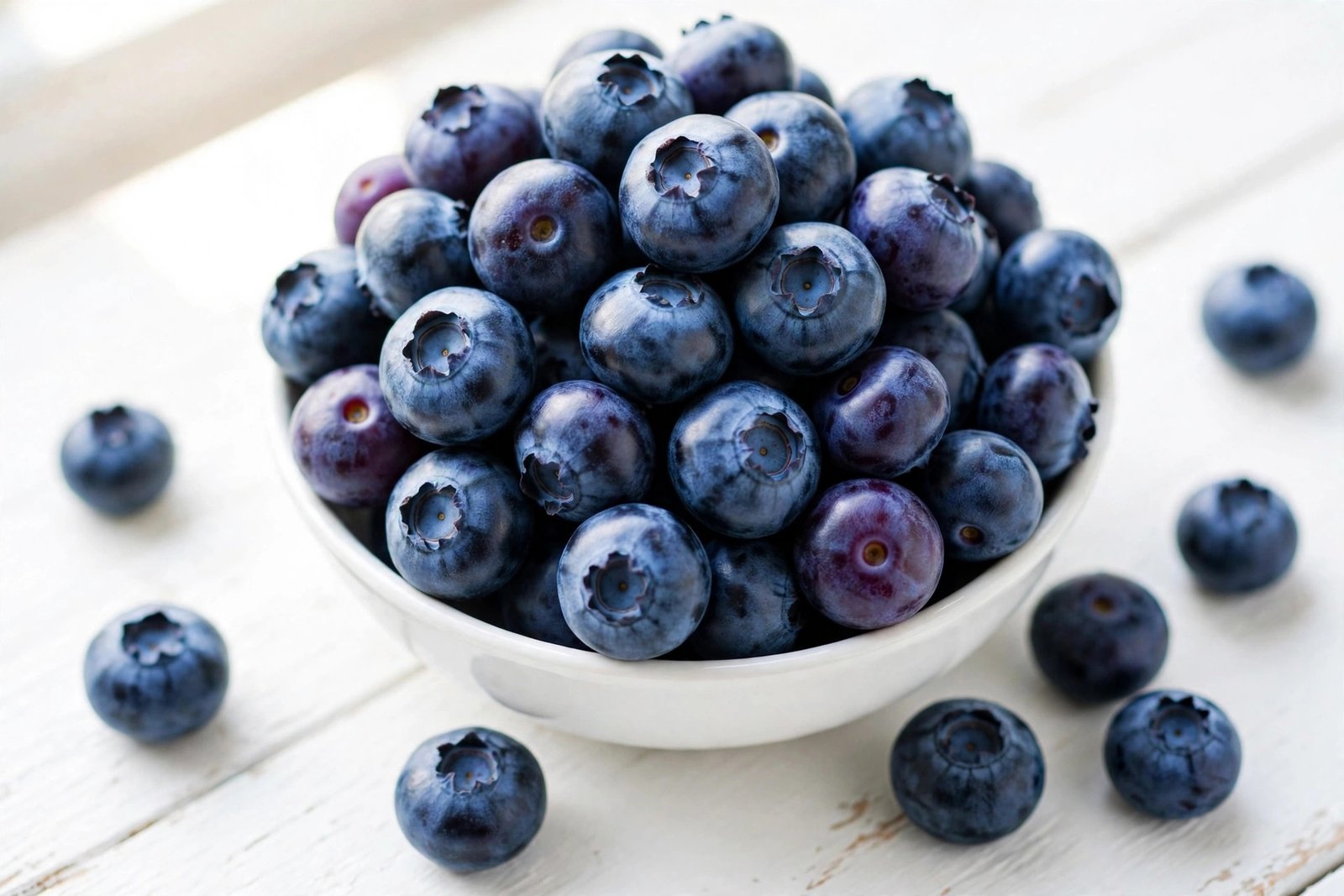
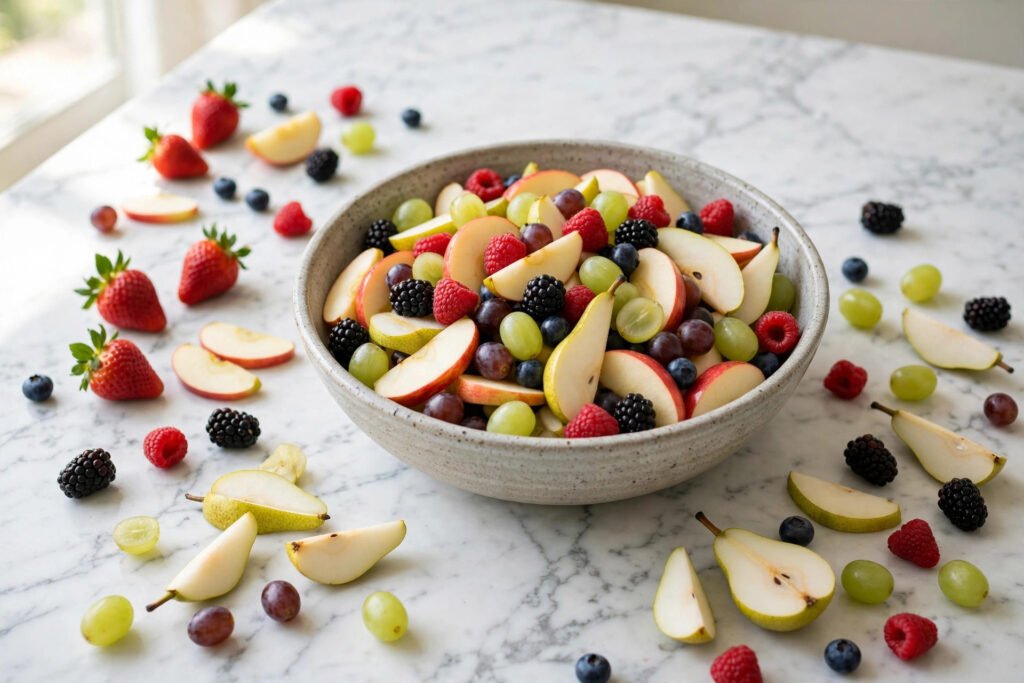
Blueberries have a glycemic index of 53, which still counts as low (55 or less). A cup of blueberries gives you fiber and water along with natural sweetness, so the sugar in the fruit reaches your blood more slowly than the sugar in juice or candy.
How to eat them: eat a small handful fresh, or stir them into plain Greek yogurt or oatmeal. Keep the portion to about one cup, and skip sweetened dried berries, which are far more concentrated in sugar.
4. Avocado
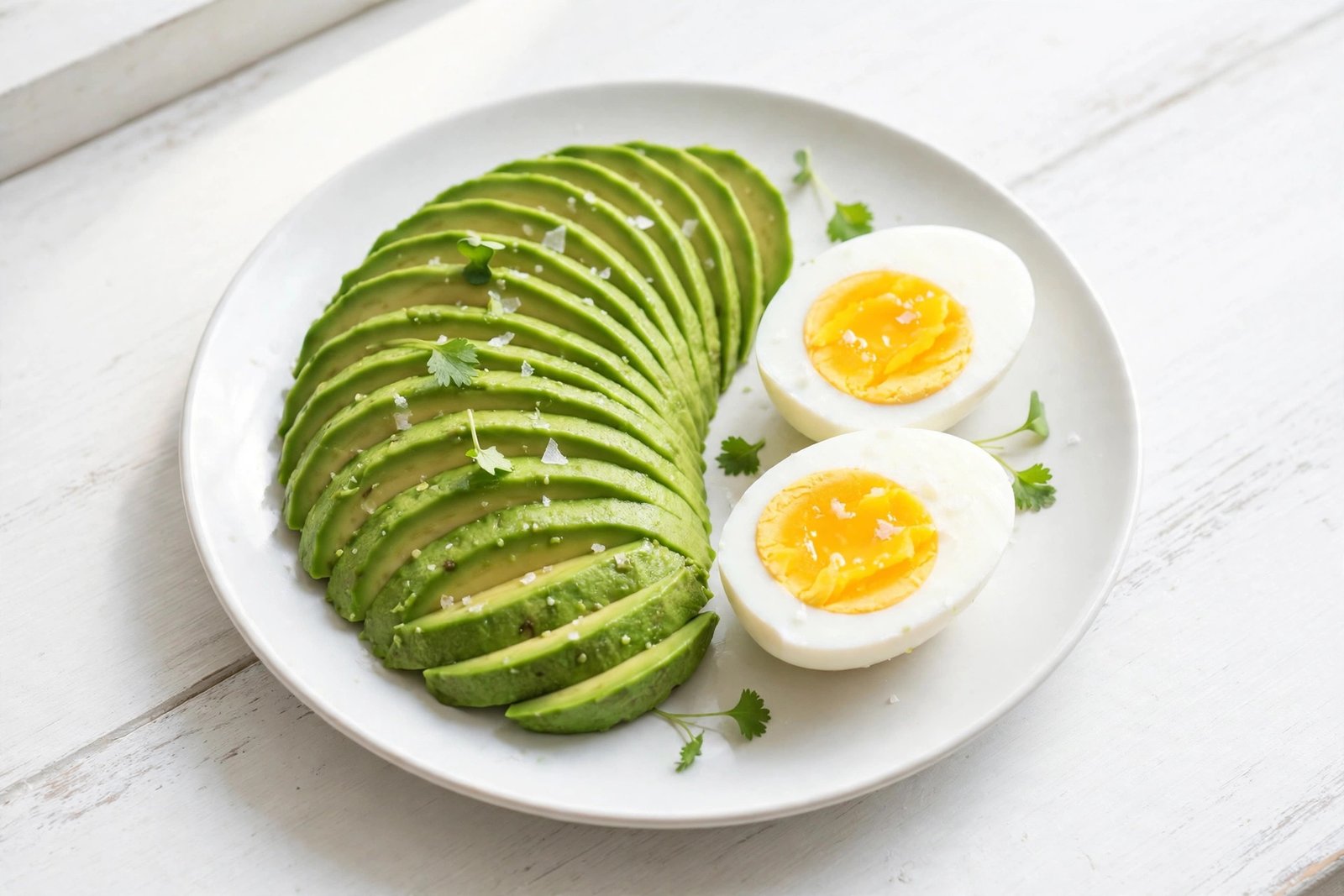
Avocado has an estimated glycemic index of about 15, and some researchers estimate it near zero, because it contains so little digestible carbohydrate. Per 100 grams (about half a medium avocado), it has about 8.5 grams of total carbs but 6.7 grams of fiber, leaving only about 1.8 grams of net carbs. Its monounsaturated fat also slows digestion, which helps flatten the blood sugar curve of the whole meal.
How to eat it: spread it on whole-grain toast, add slices to a salad, or eat half an avocado with eggs.
Protein Foods With Almost No Carbs
5. Eggs

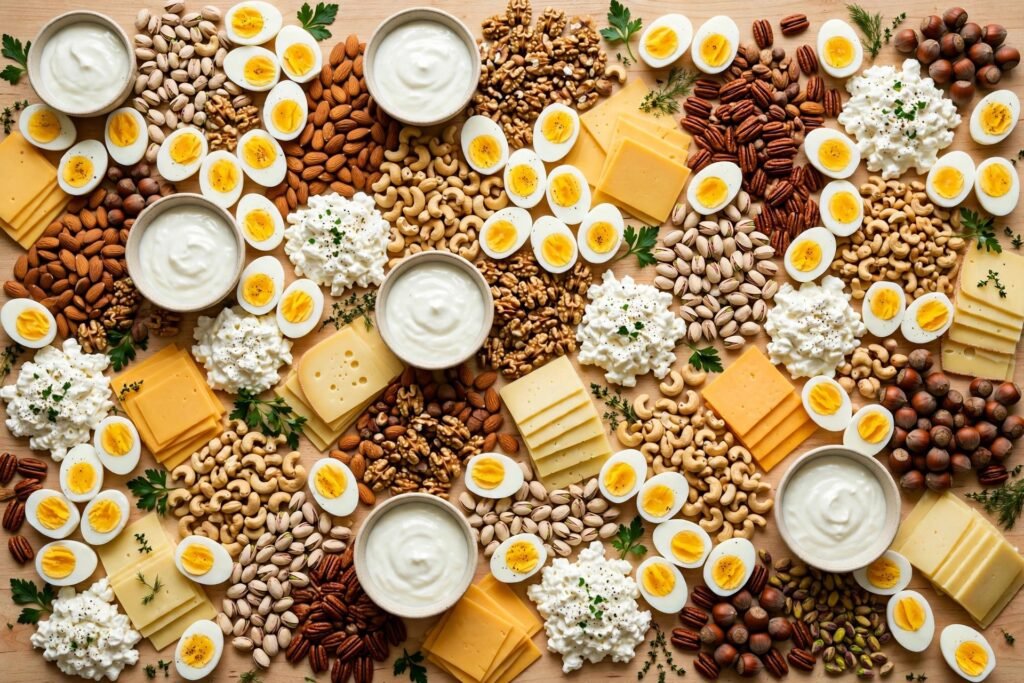
Eggs have a glycemic index of 0 because they contain essentially no carbohydrate. Protein digests slowly, so eggs help keep you full and steady your blood sugar when eaten with other foods.
How to eat them: boiled eggs make an easy snack, and scrambled or poached eggs pair well with spinach or avocado. Starting the day with eggs instead of a sugary cereal is one of the simplest swaps for steadier morning blood sugar.
6. Greek Yogurt (Plain)
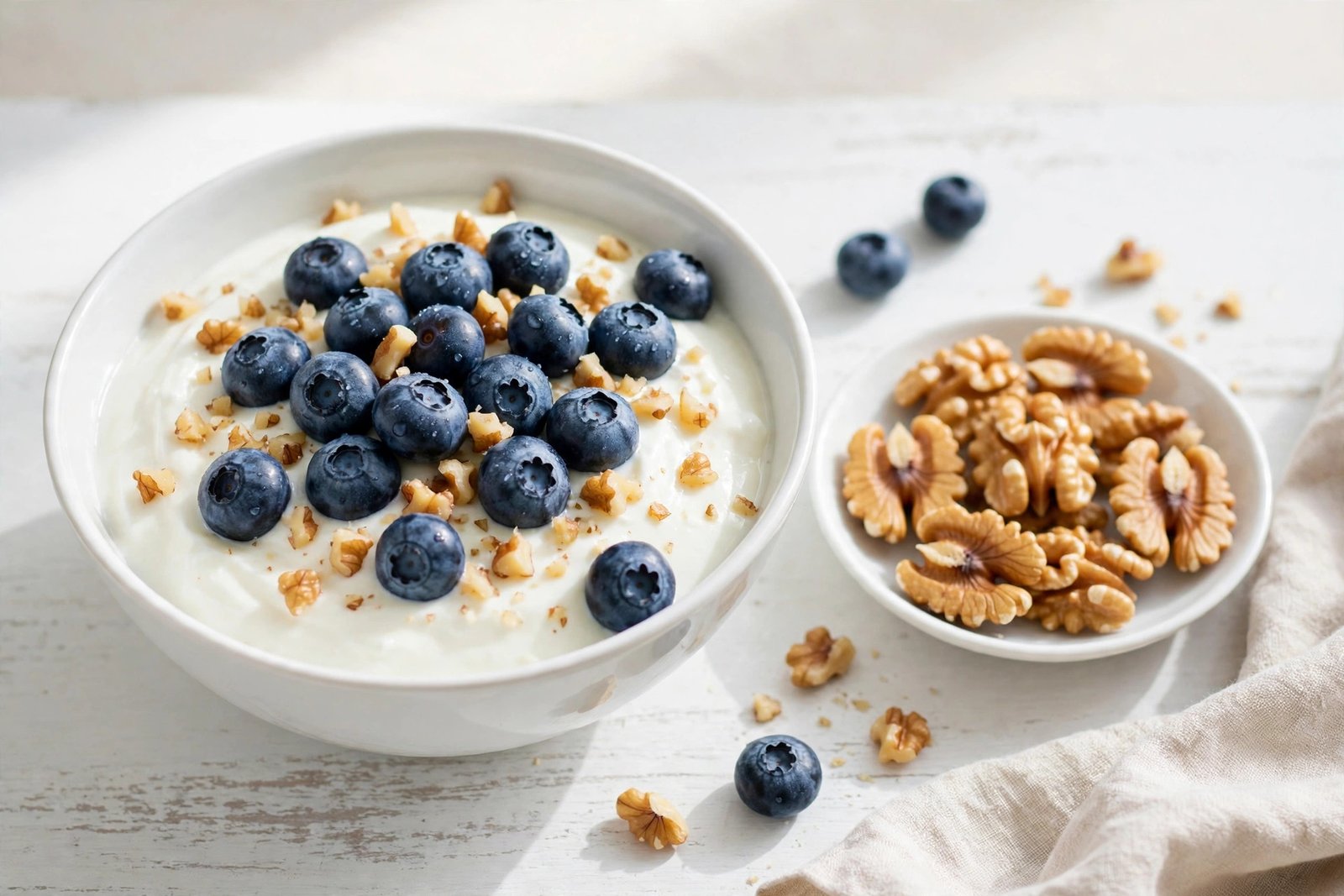
Plain Greek yogurt is a low-GI food, with published values ranging from about 11 to 35 depending on the test and the product. Straining removes much of the whey, so Greek yogurt has more protein and less sugar than regular yogurt.
How to eat it: choose plain, unsweetened yogurt and add your own berries or cinnamon. Flavored yogurts often contain added sugar.
Fiber-Rich Foods That Slow Digestion
7. Walnuts
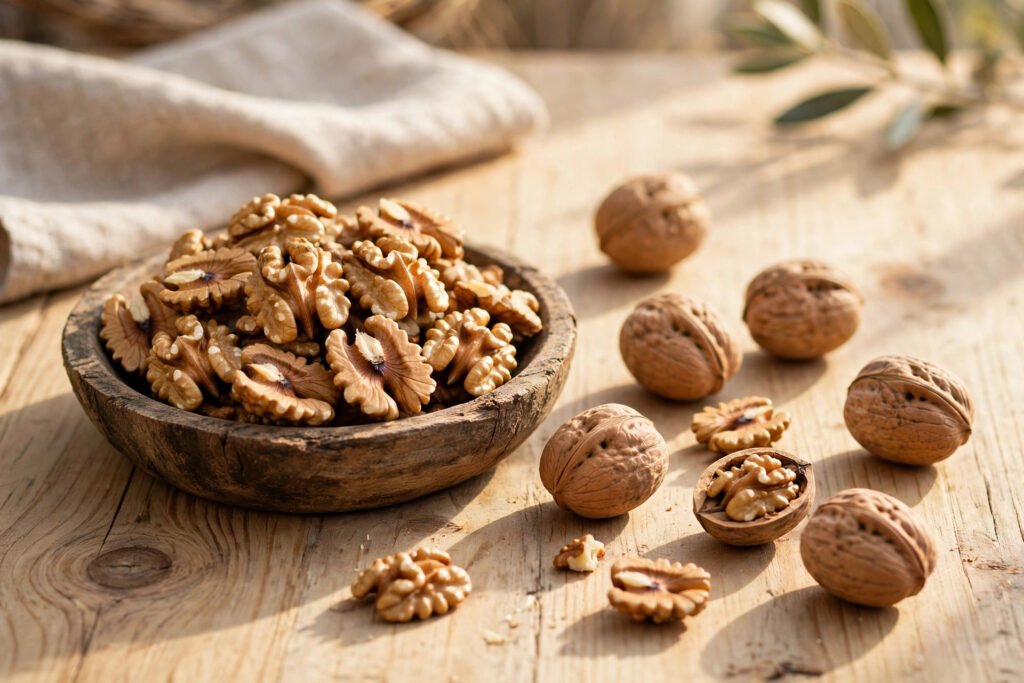
Walnuts have a glycemic index of 15. They are rich in healthy fats and fiber, and they have very few digestible carbs, so a small handful barely moves blood sugar.
How to eat them: eat about a small handful (around 1 ounce, or 28 grams) as a snack, or chop walnuts over a salad or oatmeal.
8. Chia Seeds
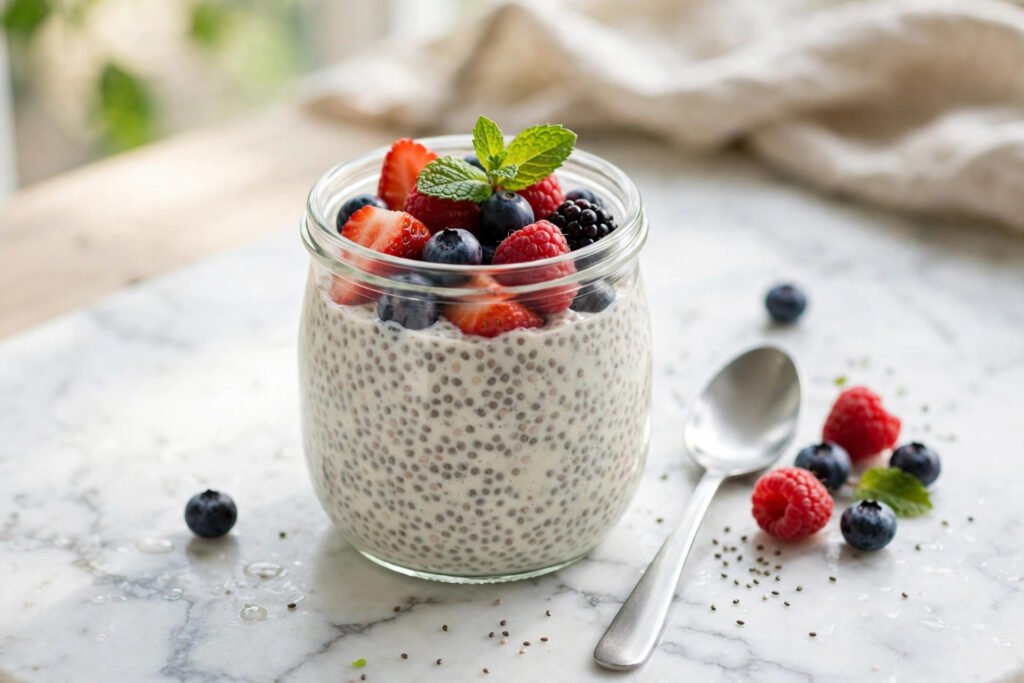
Chia seeds have so little digestible carbohydrate that their glycemic index is not meaningfully measured. According to USDA data, one ounce (28 grams) of chia seeds has about 12 grams of total carbs and about 10 grams of fiber, leaving only about 2 grams of net carbs.
How to eat them: stir a tablespoon or two into yogurt, oatmeal, or a smoothie, or make chia pudding by soaking them in milk overnight.
9. Steel-Cut Oats
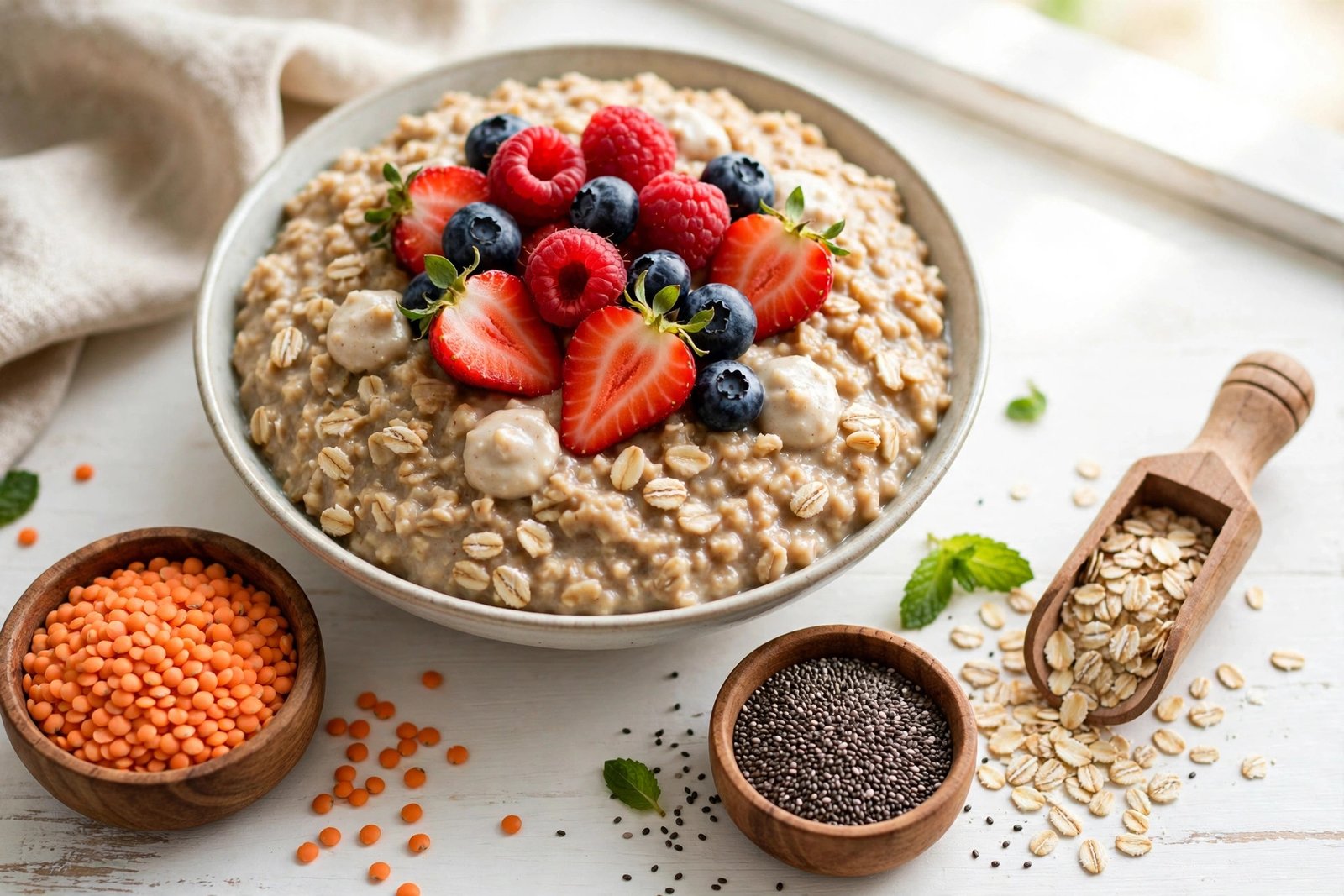
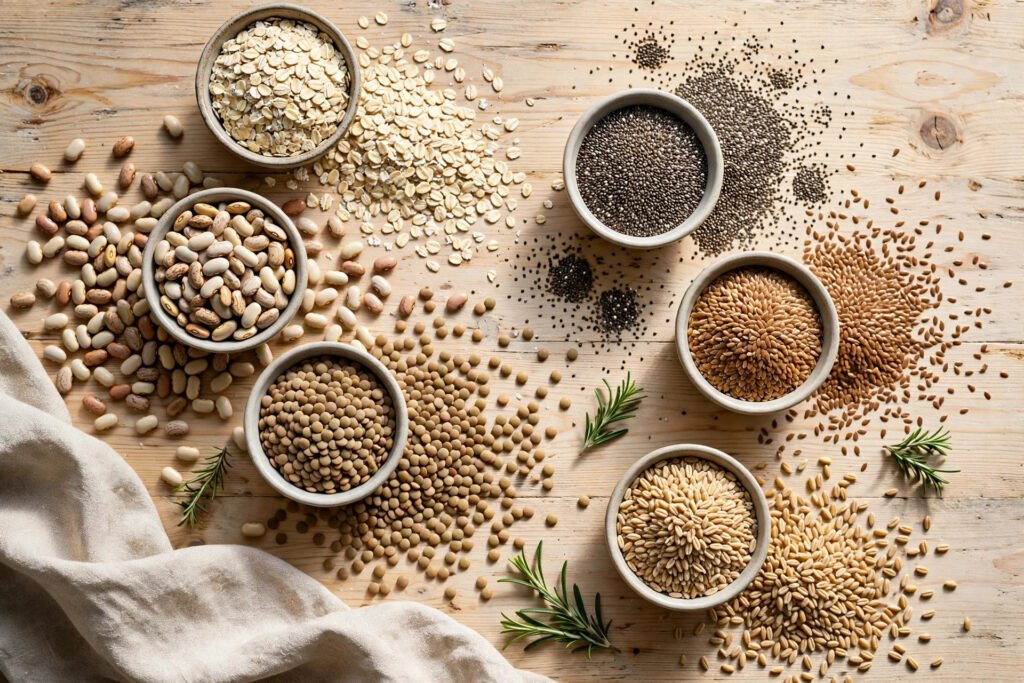
Steel-cut oats have a glycemic index of about 52, at the low end of the scale. They are the least processed form of oat, so they digest slowly. Their soluble fiber, called beta-glucan, forms a thick gel in the stomach that slows the release of glucose into the blood.
How to eat them: cook steel-cut oats with water and top with walnuts, blueberries, and cinnamon instead of sugar. Avoid instant oatmeal, which is far more processed and has a much higher glycemic index (around 79).
10. Lentils
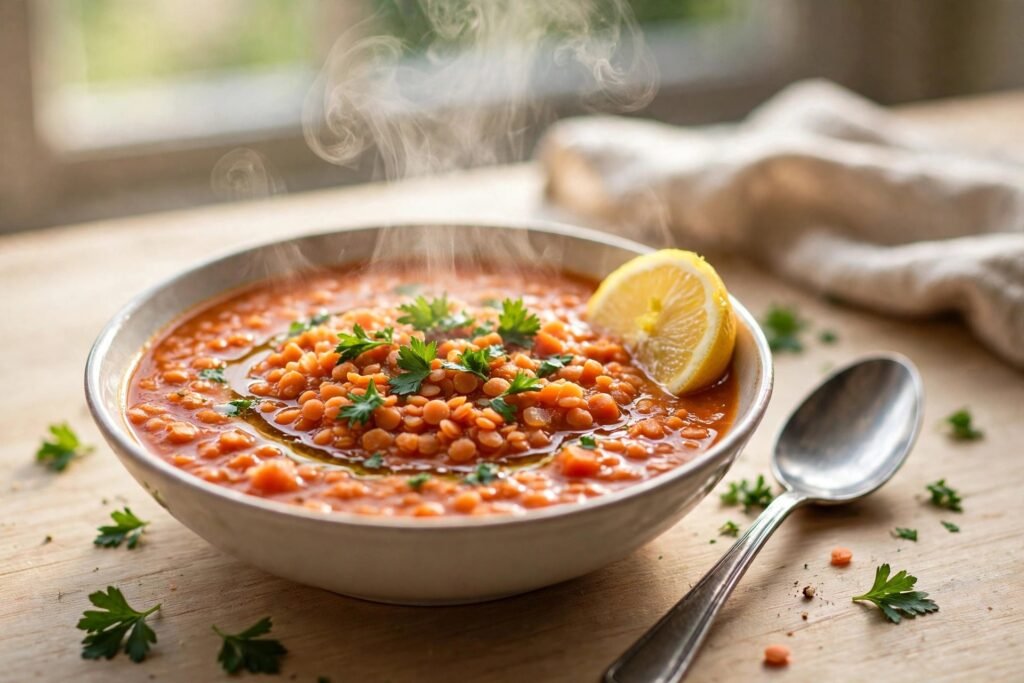
Lentils have a glycemic index of about 32 when boiled, one of the lowest values of any starchy food. They combine fiber and plant protein, two nutrients that slow digestion, so they release glucose very gradually.
How to eat them: add lentils to soups, salads, and grain bowls, or serve them as a side instead of white rice.
Flavor Helpers Studied for Blood Sugar
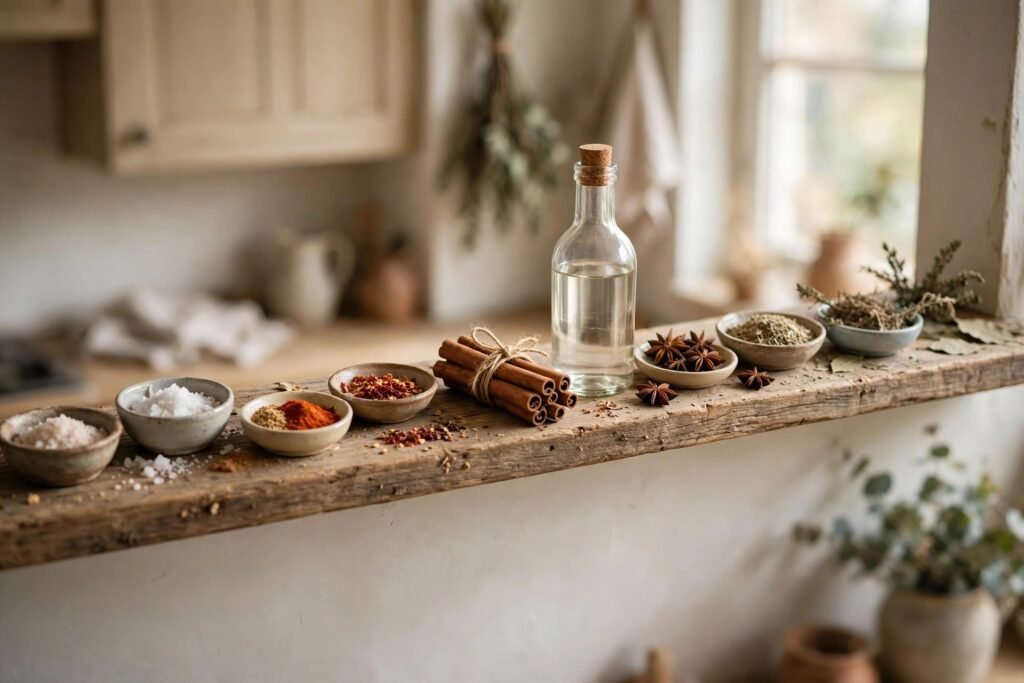
11. Cinnamon
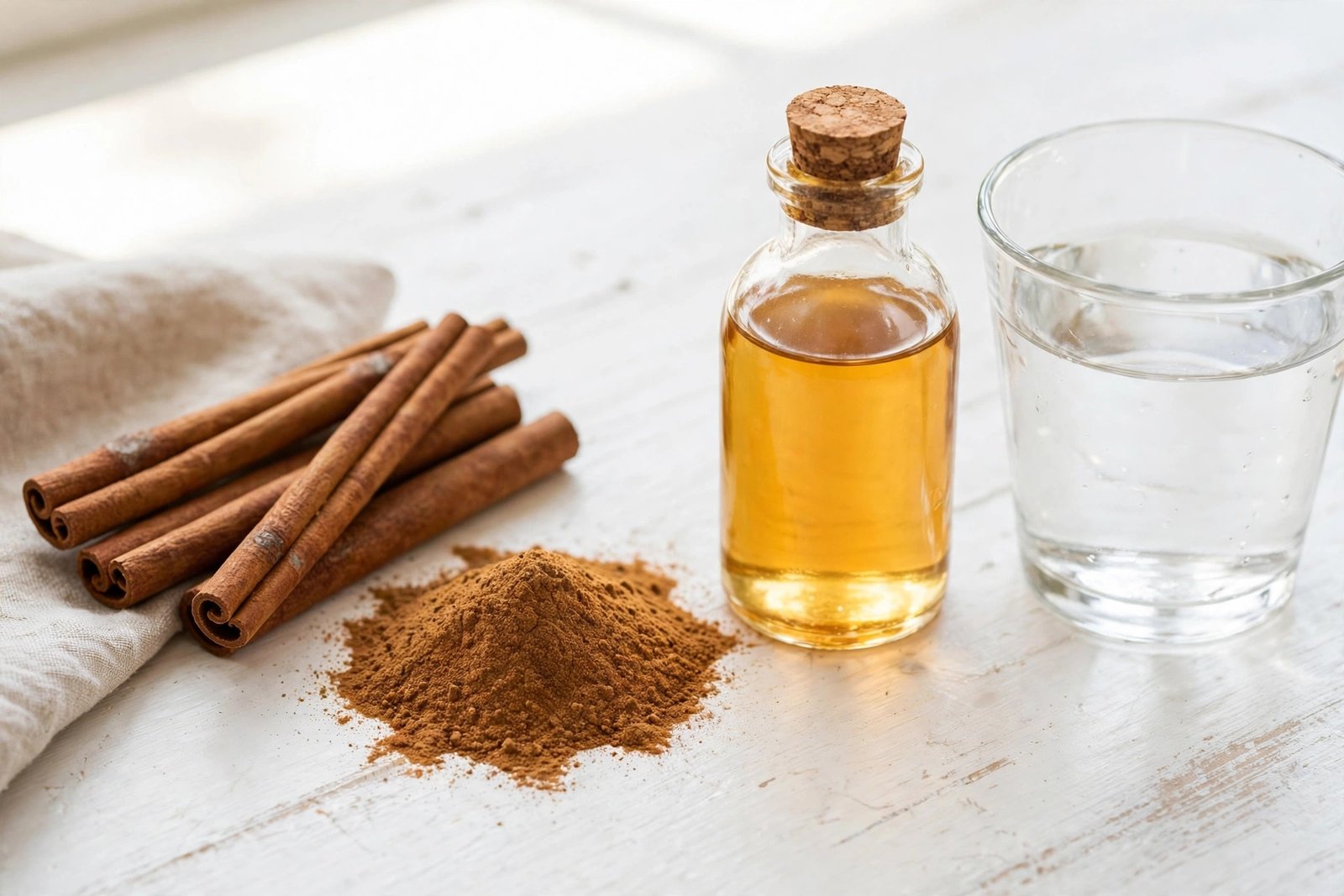
Cinnamon has no meaningful glycemic index because a normal serving contains almost no carbohydrate. Its interest comes from research: pooled trials (meta-analyses) found that cinnamon modestly lowered fasting blood sugar, with estimates of about 10 to 25 mg/dL in people with type 2 diabetes or prediabetes. The effect on long-term control (HbA1c) has been inconsistent, and one major Cochrane review called the evidence insufficient. In other words, cinnamon may help a little, but it is not a treatment.
Trials most often used 1 to 6 grams of cinnamon a day (about half a teaspoon to 2 teaspoons). Ordinary grocery-store cassia cinnamon contains coumarin, which can stress the liver in large daily amounts, so a small sprinkle is the sensible approach.
How to use it: stir cinnamon into oatmeal, yogurt, coffee, or baked fruit. It adds sweetness without sugar.
12. Apple Cider Vinegar

Apple cider vinegar contains no carbohydrate, so it has no glycemic index. It is the one item on this list with the closest thing to an “immediate” effect: a 2017 meta-analysis in Diabetes Research and Clinical Practice found that vinegar taken with a meal modestly reduced the post-meal rise in glucose and insulin. Small trials typically used 1 to 2 tablespoons (15 to 30 milliliters) diluted in a large glass of water, taken right before or with a carbohydrate-rich meal. The acetic acid in vinegar appears to slow the rate at which food leaves the stomach.
The effect is modest, not dramatic, and the evidence for long-term blood sugar control is mixed. Never drink vinegar undiluted: it can erode tooth enamel and irritate your throat and stomach. If you take insulin or sulfonylureas, talk to your doctor first, since vinegar can add to their blood-sugar-lowering effect.
How to use it: mix 1 tablespoon in a full glass of water and drink it 10 to 15 minutes before a starchy meal, or use vinegar in a salad dressing.
How to Use These Foods at Real Meals
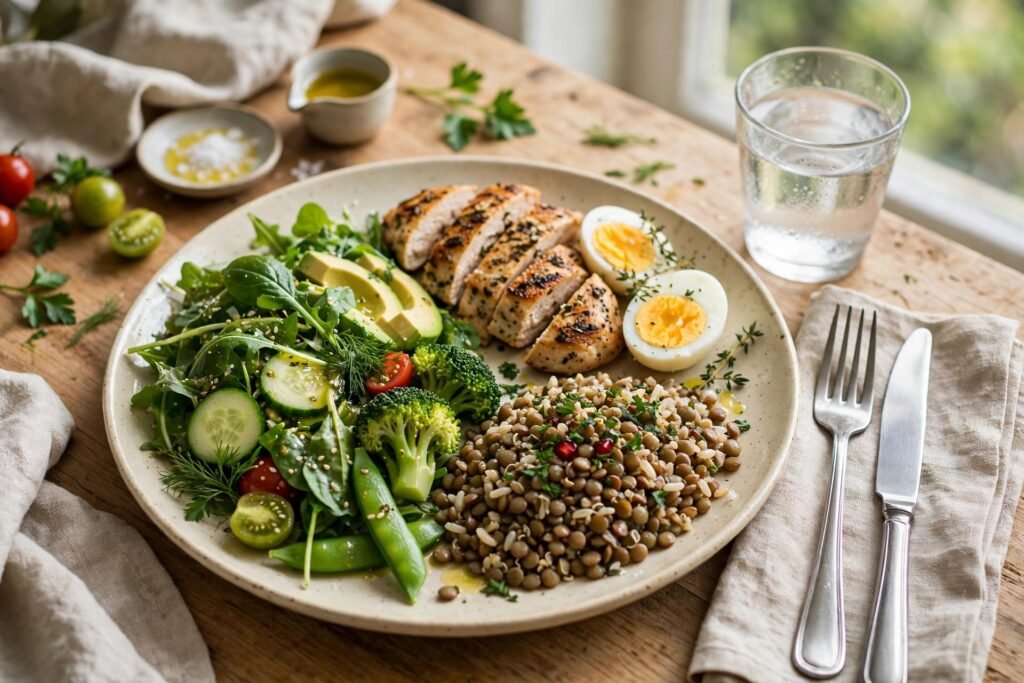
Knowing the list is only half the job. Three simple habits make the biggest difference:
Build your plate around vegetables and protein. Fill half the plate with non-starchy vegetables such as spinach and broccoli, a quarter with protein such as eggs, and a quarter with a slow carb such as lentils or steel-cut oats.
Never eat carbs alone. A piece of fruit on its own raises blood sugar faster than the same fruit eaten with a handful of walnuts or a spoonful of Greek yogurt. Fat, fiber, and protein all slow digestion, so pairing is powerful.
Walk after eating. A short walk of 10 to 15 minutes after a meal helps your muscles use glucose from the blood and blunt the spike.
Foods That Spike Blood Sugar Fast
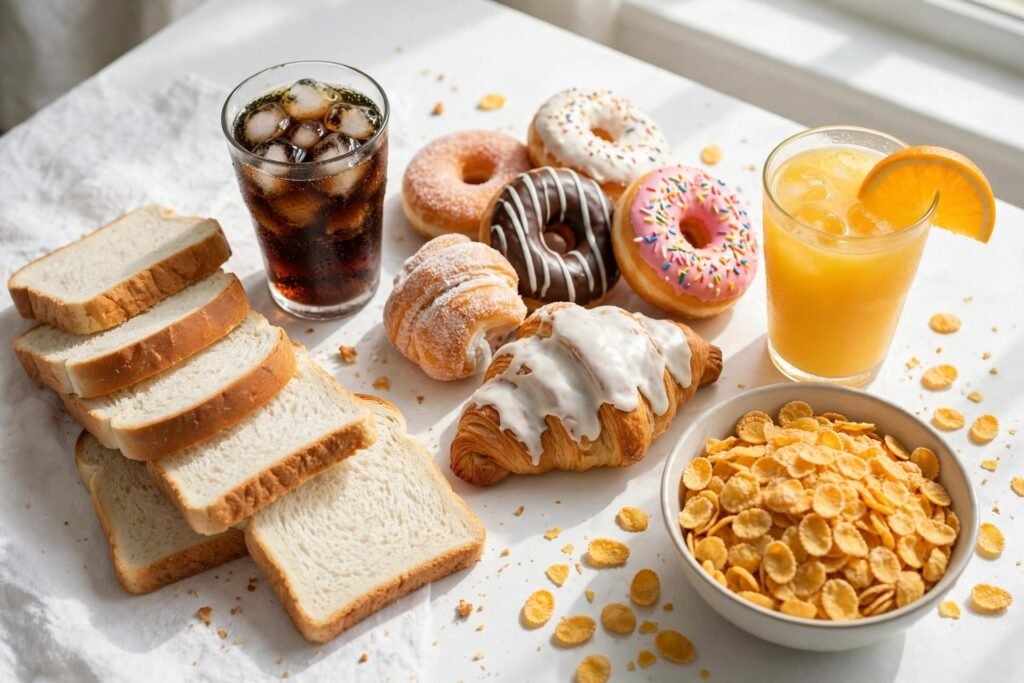
It helps to know the other side of the list. The foods that raise blood sugar fastest are refined starches and sugary drinks: white bread (GI around 75), instant oatmeal (GI around 79), white rice, cornflakes, soda, and fruit juice. They have little fiber to slow them down, so their glucose reaches the blood quickly. Swapping even one of them — steel-cut oats for instant oatmeal, whole fruit for juice, lentils for white rice — makes a real difference.
Frequently Asked Questions
What food lowers blood sugar immediately after eating?
No food lowers blood sugar instantly the way medicine does. The closest thing is a small amount of diluted vinegar taken just before a starchy meal, which small trials found modestly blunted the post-meal spike. Low-glycemic foods such as spinach, broccoli, lentils, and eggs help by adding very little new sugar and digesting slowly.
Can drinking water lower blood sugar?
Water does not lower blood sugar directly, but staying hydrated helps your kidneys flush out extra glucose, and drinking water instead of soda or juice removes a major source of fast sugar.
Does cinnamon lower blood sugar right away?
No. Cinnamon does not work within minutes. Pooled trials found a modest drop in fasting blood sugar over weeks of daily use, roughly 10 to 25 mg/dL in people with type 2 diabetes or prediabetes, with inconsistent effects on long-term HbA1c.
Are bananas bad for blood sugar?
Bananas have a glycemic index of about 51, which is low, but a large ripe banana contains a fair amount of carbohydrate, so portion size matters. A small banana eaten with a protein such as Greek yogurt is a reasonable choice for most people.
What should I eat if my blood sugar is high right now?
If your blood sugar is high and you feel unwell, follow your doctor’s plan and get medical help if needed. In general, avoid more carbohydrates, drink water, and take a gentle walk if your doctor has said walking is safe for you. Do not skip prescribed medicine in favor of food.
Conclusion
What food lowers blood sugar immediately? None — honestly. No food works in minutes the way medicine does. But the 12 foods in this guide give you the next best thing: meals that raise blood sugar slowly and gently. Spinach, broccoli, eggs, and avocado add almost no glucose at all. Lentils, steel-cut oats, walnuts, and chia seeds digest slowly thanks to fiber. And cinnamon and vinegar have modest, studied effects that can smooth out a meal’s spike.
Start with one or two swaps: eggs instead of sugary cereal, lentils instead of white rice, or a tablespoon of vinegar in water before a starchy dinner. Small, steady changes beat dramatic ones. If you have diabetes or take blood sugar medicine, bring this list to your doctor or dietitian and build your plan together.
Related Guides
- Flour Tortilla Nutrition Facts: Calories, Carbs, Protein & Fat — check the carbs and fiber in a common wrap before you build a meal around it.
- How to Lose Belly Fat in 30 Days at Home (No Gym Needed) — belly fat and insulin resistance are closely linked; a simple home plan helps both.
- How to Lose Weight in 30 Days Without Dieting — small daily habits that steady weight and blood sugar together.
- How Much Is 100 Grams? 15 Everyday Things to Compare — picture 100-gram portions so serving sizes on nutrition labels make sense.
- How to Lose Weight in 30 Days by Walking Only — walking after meals is one of the simplest ways to blunt a blood sugar spike.

Hi, I’m Michael Carter, I write simple, everyday size guides so you can picture any measurement in seconds.