
Introduction
Normal blood sugar after eating is under 140 mg/dL (7.8 mmol/L) two hours after a meal for most people without diabetes. Blood sugar rises after food, peaks at about one hour, and should fall back under 140 mg/dL by two hours. Readings of 140–199 mg/dL fall in the prediabetes range.
That number — 140 mg/dL two hours after eating — is the line doctors use to separate a normal result from one that needs attention. It comes from the American Diabetes Association (ADA) and the CDC, and it applies to the standard two-hour glucose tolerance test. A home meter reading is not the same as a lab test, but the same target is a useful everyday guide.
Blood sugar is measured in mg/dL (milligrams per deciliter) in the United States and in mmol/L (millimoles per liter) in most of the rest of the world. To convert, divide mg/dL by 18: 140 mg/dL equals 7.8 mmol/L. This guide gives both units.
One honest point up front: the cutoff for “normal” barely changes with age. A healthy child, adult, and older adult all aim for the same two-hour result — under 140 mg/dL. What changes with age are the treatment targets for people who already have diabetes, because the risk of low blood sugar matters more than a perfect number. The chart below shows both.
Normal Blood Sugar After Eating by Age
| Age Group | Fasting (Before Eating) | 1 Hour After Eating | 2 Hours After Eating | Diabetes Target (ADA) |
|---|---|---|---|---|
| Children Under 12 years | 70–99 mg/dL (3.9–5.5 mmol/L) | Peaks here; often under 180. No official cutoff. | Under 140 mg/dL (7.8 mmol/L) | A1C under 7% for many youth; targets set with care team |
| Teens 13–19 years | 70–99 mg/dL (3.9–5.5 mmol/L) | Peaks here; often under 180. No official cutoff. | Under 140 mg/dL (7.8 mmol/L) | Before meals 80–130 mg/dL; peak after meals under 180 mg/dL; A1C under 7% |
| Adults 20–64 years | 70–99 mg/dL (3.9–5.5 mmol/L) | Peaks here; often under 180. No official cutoff. | Under 140 mg/dL (7.8 mmol/L) | Before meals 80–130 mg/dL; 1–2 hours after meals under 180 mg/dL; A1C under 7% |
| Older adults 65 years and over | 70–99 mg/dL (3.9–5.5 mmol/L) | Peaks here; often under 180. No official cutoff. | Under 140 mg/dL (7.8 mmol/L) | Healthy: A1C under 7.0–7.5%. Complex: under 8.0%. Very complex: fasting 100–180 mg/dL |
Quick tip: judge your result at two hours — there is no official 1-hour cutoff, because blood sugar is supposed to peak at about one hour. Always count from the first bite.
What Happens to Blood Sugar After You Eat?
When you eat, your body breaks down carbohydrates — bread, rice, pasta, fruit, juice, sweets — into glucose. Glucose passes into your blood, and blood sugar starts to rise within about 15 minutes of the first bite.
As blood sugar rises, the pancreas releases insulin. Insulin works like a key: it lets glucose move out of the blood into muscle, fat, and liver cells, where it is used for energy or stored. In a healthy body, this keeps the rise small and short.
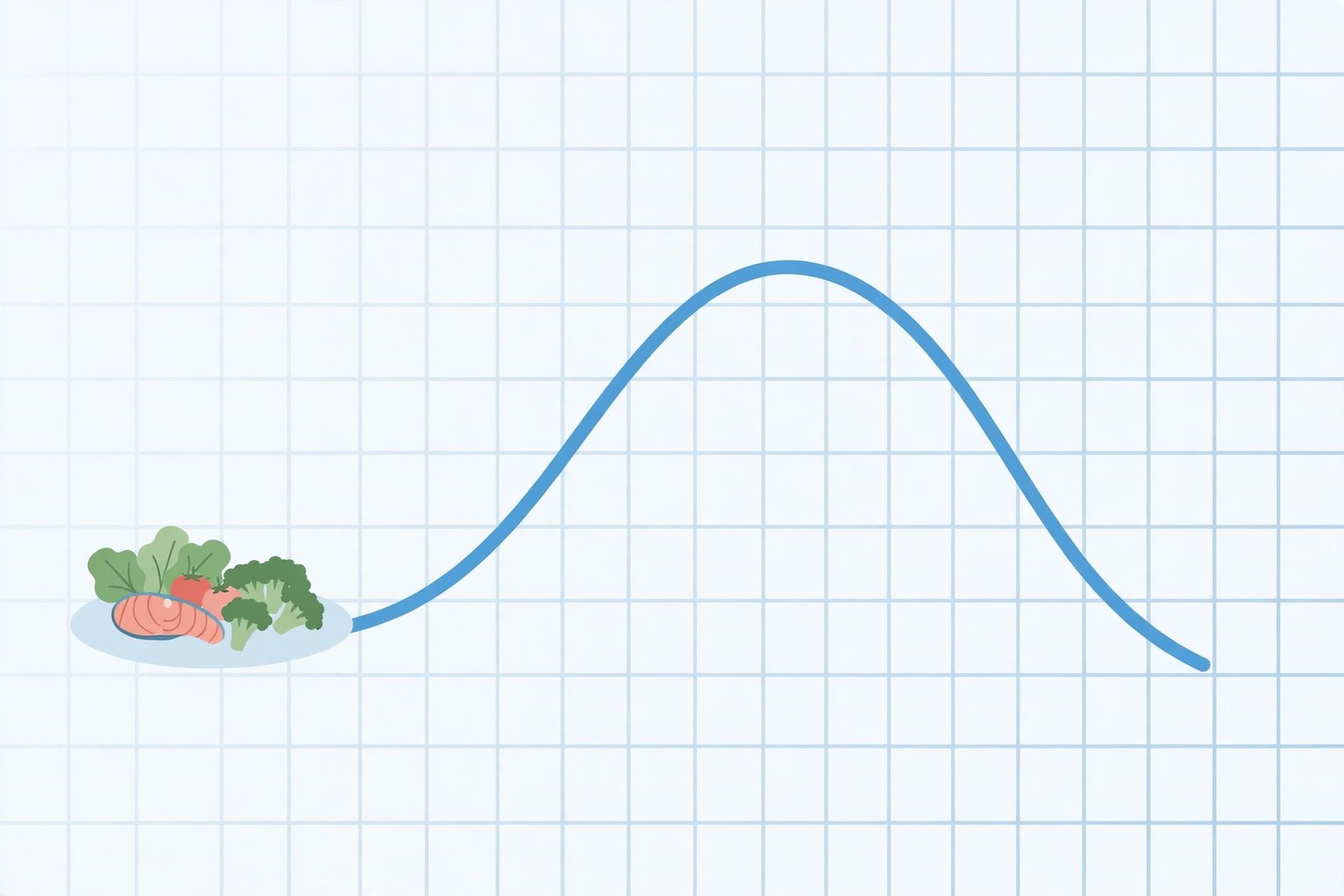
Blood sugar climbs for 30 to 60 minutes, peaks at about one hour, then falls as insulin does its job. By two hours it should be back under 140 mg/dL, and within two to three hours it is usually close to where it started.
Fast carbohydrates — white bread, white rice, soda, candy — make a taller, faster peak. Fiber, protein, and healthy fat slow digestion, so the rise is gentler. Two meals with the same calories can give very different readings.
Doctors count from the start of the meal, not the end: start eating at 12:00, and the two-hour check is at 14:00, even if you finished at 12:30. Checking at the wrong time is a common reason for a confusing result.
Normal Range by Age

Children (Under 12 Years)

For children without diabetes, the normal range is the same as for adults: under 100 mg/dL after an overnight fast and under 140 mg/dL two hours after eating. Children’s readings swing more during the day — meals, snacks, play, and growth all push blood sugar up and down — so one high reading after a birthday party does not mean a child has diabetes.
For children with diabetes, the ADA says an A1C under 7% is right for many children, and daily targets are set with the care team. Young children cannot always feel low blood sugar, so their targets are often set higher for safety. Never set a child’s target from an internet chart.
Teens (13–19 Years)

Teens without diabetes use the same cutoffs: fasting under 100 mg/dL and under 140 mg/dL two hours after eating. Puberty brings extra swings — growth hormones make the body less sensitive to insulin for a time — and stress, poor sleep, and irregular meals add more. A teen may see a higher one-hour peak after a large fast-food meal, but the two-hour reading should still come back under 140 mg/dL.
For teens with diabetes, the ADA target is an A1C under 7% for many teens, before-meal glucose of 80–130 mg/dL, and a peak after meals under 180 mg/dL. Teens using a continuous glucose monitor (CGM) usually aim to spend over 70% of the day between 70–180 mg/dL.
Adults (20–64 Years)

For adults without diabetes, normal blood sugar after eating is under 140 mg/dL (7.8 mmol/L) at two hours. Fasting blood sugar — after at least eight hours without food — should be under 100 mg/dL, and most healthy adults sit between 70 and 99 mg/dL before breakfast.
For adults with diabetes, the ADA target is less strict on purpose: before meals 80–130 mg/dL (4.4–7.2 mmol/L), under 180 mg/dL (10.0 mmol/L) one to two hours after the start of a meal, and an A1C under 7%. These are treatment goals for people already diagnosed — not the definition of normal. Do not use 180 mg/dL as your “normal” if you do not have diabetes.
The ADA recommends testing for prediabetes and type 2 diabetes from age 35, and earlier for overweight adults with extra risk factors such as high blood pressure or a family history of diabetes.
Older Adults (65 Years and Over)
Older adults without diabetes use the same cutoffs: fasting under 100 mg/dL and under 140 mg/dL two hours after eating. The diagnostic lines do not move with age. For older adults with diabetes, the ADA sets three tiers based on overall health, because avoiding low blood sugar — which can cause a fall or confusion — matters more than chasing a perfect number.
- Healthy older adults — few other conditions, good memory and independence: A1C under 7.0–7.5%, fasting glucose 80–130 mg/dL.
- Complex or intermediate health — several chronic conditions or mild memory problems: A1C under 8.0%, fasting glucose 90–150 mg/dL.
- Very complex or poor health — advanced illness, major memory loss, or life in long-term care: doctors avoid relying on A1C and focus on keeping fasting glucose between 100–180 mg/dL while preventing both high and low symptoms.
If you care for an older parent, ask their doctor: “What range should we aim for, and at what number should we call you?” The answer depends on their medicines and health, not their birthday alone.
Prediabetes and Diabetes Cutoffs
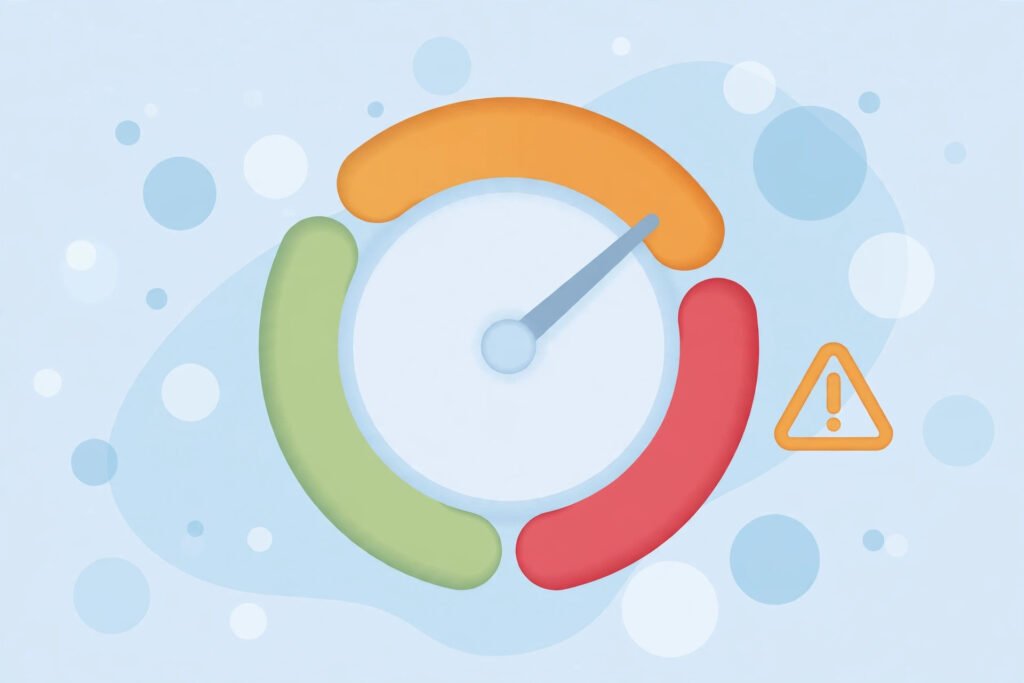
The ADA and CDC define three bands from lab tests, for non-pregnant adults and children. A diagnosis always needs a second test — one high reading never diagnoses diabetes alone.
Fasting blood sugar (after at least eight hours without food):
- Normal: under 100 mg/dL (5.6 mmol/L)
- Prediabetes: 100–125 mg/dL (5.6–6.9 mmol/L)
- Diabetes: 126 mg/dL (7.0 mmol/L) or higher
Two-hour oral glucose tolerance test (after an overnight fast and a drink containing 75 grams of glucose):
- Normal: under 140 mg/dL (7.8 mmol/L)
- Prediabetes: 140–199 mg/dL (7.8–11.0 mmol/L)
- Diabetes: 200 mg/dL (11.1 mmol/L) or higher
A1C test (average blood sugar over the past two to three months):
- Normal: under 5.7%
- Prediabetes: 5.7–6.4%
- Diabetes: 6.5% or higher
A random reading of 200 mg/dL or higher plus classic symptoms — strong thirst, frequent urination, unexplained weight loss — also meets the diabetes criteria. Without symptoms, doctors repeat the test another day.
Prediabetes means blood sugar is higher than normal but not yet diabetes. It is a warning, not a verdict: many people bring their numbers back with changes to food, activity, and weight.
Pregnancy uses stricter cutoffs: for gestational diabetes, the ADA targets are fasting ≤95 mg/dL (5.3 mmol/L), 1 hour ≤140 mg/dL (7.8 mmol/L), and 2 hours ≤120 mg/dL (6.7 mmol/L). If you are pregnant, use your doctor’s targets, not the main chart.
What Affects Your Reading After Eating
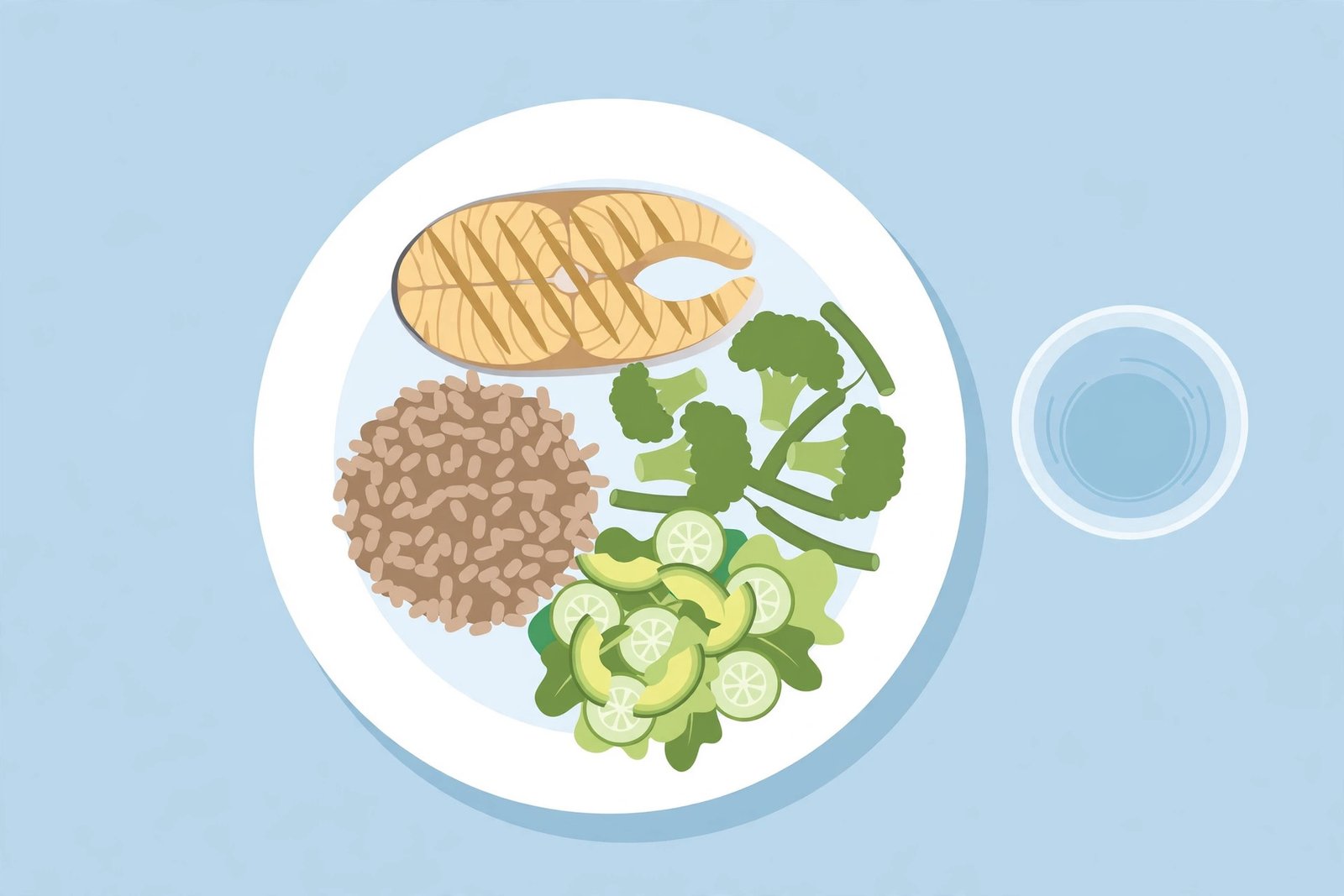
The meal itself. The amount and type of carbohydrate matter most. Sugary drinks, white bread, and large portions of rice or pasta raise blood sugar fast. Fiber, protein, and fat slow the rise. A plate of grilled chicken, vegetables, and brown rice will almost always give a lower two-hour reading than the same calories eaten as soda and pastries.
Meal size and timing. A very large meal peaks higher and takes longer to come down, and late-night eating can raise the next morning’s reading. Regular meal times help keep readings steady.
Movement. A short walk after a meal lowers the peak: working muscles take glucose from the blood without needing as much insulin. Even 10 to 15 minutes of easy walking can make a visible difference.
Sleep and stress. Poor sleep and ongoing stress raise hormones that push blood sugar up. One bad night rarely matters; weeks of short sleep can shift readings upward.
Illness and medicines. Infections, fever, and some medicines — including steroids and certain cold remedies — can raise blood sugar for days. Expect higher readings when sick, and check more often if your doctor asked you to.
Meter technique. Home meters are close to lab results but not perfect. Wash and dry your hands first — food residue on a finger can give a falsely high reading. Use in-date strips and enough blood for the strip. If a reading does not match how you feel, wash your hands and test again.
Low readings. Under 70 mg/dL (3.9 mmol/L) is low blood sugar: shakiness, sweating, fast heartbeat, hunger, and confusion are the usual signs. Under 54 mg/dL (3.0 mmol/L) is seriously low and needs fast action and medical advice. Anyone on insulin or certain diabetes medicines should agree a low-blood-sugar plan with their doctor in advance.
Converting mg/dL to mmol/L

The United States reports blood sugar in mg/dL. The United Kingdom, Canada, Australia, and most of the world use mmol/L. The conversion is simple:
mmol/L = mg/dL ÷ 18
Here are the key numbers from this guide, converted and rounded to one decimal place:
- 70 mg/dL = 3.9 mmol/L (low blood sugar line)
- 100 mg/dL = 5.6 mmol/L (fasting normal ceiling)
- 126 mg/dL = 7.0 mmol/L (fasting diabetes line)
- 140 mg/dL = 7.8 mmol/L (two-hour normal ceiling)
- 180 mg/dL = 10.0 mmol/L (after-meal target for people with diabetes)
- 200 mg/dL = 11.1 mmol/L (two-hour diabetes line)
To go the other way, multiply by 18: 7.8 × 18 = 140. If your meter shows both units, pick one and stay with it.
When to Talk to a Doctor

Book an appointment if you notice any of these patterns:
- Two-hour readings of 140–199 mg/dL again and again after ordinary meals
- Any reading of 200 mg/dL or higher, more than once
- Fasting readings of 100 mg/dL or higher on several mornings
- Readings under 70 mg/dL, or symptoms of low blood sugar
- Strong thirst, frequent urination, unexplained weight loss, constant tiredness, or blurred vision
Bring your meter or log: a week of readings with times, meals, and symptoms is far more useful than one surprising number.
Get urgent care the same day if very high blood sugar comes with vomiting, stomach pain, fast breathing, or confusion, or if a low reading does not come back up.
This article gives general information only. It is not medical advice, and it cannot diagnose or treat any condition. Your own target range depends on your age, your medicines, and your health, so ask your doctor what numbers are right for you.
Frequently Asked Questions
What is a normal blood sugar 2 hours after eating?
Under 140 mg/dL (7.8 mmol/L) for most people without diabetes — the ADA and CDC cutoff on the standard two-hour glucose tolerance test. Count from the first bite, not the end of the meal.
Is 160 mg/dL normal 2 hours after eating?
No. A two-hour reading of 160 mg/dL falls in the prediabetes range of 140–199 mg/dL on formal testing. One home reading does not diagnose anything, but if you see readings in this range often, ask your doctor for a lab test.
What should blood sugar be 1 hour after eating?
There is no official 1-hour cutoff: blood sugar is supposed to peak at about one hour, often under 180 mg/dL (10.0 mmol/L) in healthy people. Doctors judge the result at two hours, when it should be back under 140 mg/dL.
Does normal blood sugar change with age?
The diagnostic cutoffs do not change with age: under 100 mg/dL fasting and under 140 mg/dL two hours after eating are normal for children, adults, and older adults alike. What changes with age are the treatment targets for people who already have diabetes: doctors set looser goals for young children and older adults with other health problems, to reduce the risk of lows.
What is normal blood sugar after eating in mmol/L?
Under 7.8 mmol/L two hours after a meal. Divide mg/dL by 18 to convert: 140 ÷ 18 = 7.8. The prediabetes range is 7.8–11.0 mmol/L, and 11.1 mmol/L or higher meets the diabetes cutoff.
Conclusion
Normal blood sugar after eating is under 140 mg/dL (7.8 mmol/L) two hours after a meal, at every age. It rises after food, peaks at about one hour, and should settle back under 140 mg/dL by two hours. The cutoffs do not change with age — but diabetes targets do, and your doctor sets those from your health, not your birthday.
If your two-hour readings keep landing at 140 mg/dL or higher, log them for a week — with meals and times — and take the log to your doctor. One high reading is information, not a diagnosis, but a pattern is worth a conversation.
Related Guides
- Flour Tortilla Nutrition Facts: Calories, Carbs, Protein & Fat
- How to Lose Belly Fat in 30 Days at Home (No Gym Needed)
- How to Lose Weight in 30 Days by Walking Only
- Lose 4 kg in 30 Days: A Simple Plan for Beginners
- How Much Is 100 Grams? 15 Everyday Things to Compare

Hi, I’m Michael Carter, I write simple, everyday size guides so you can picture any measurement in seconds.
[…] Normal Blood Sugar After Eating: Healthy Range by Age […]